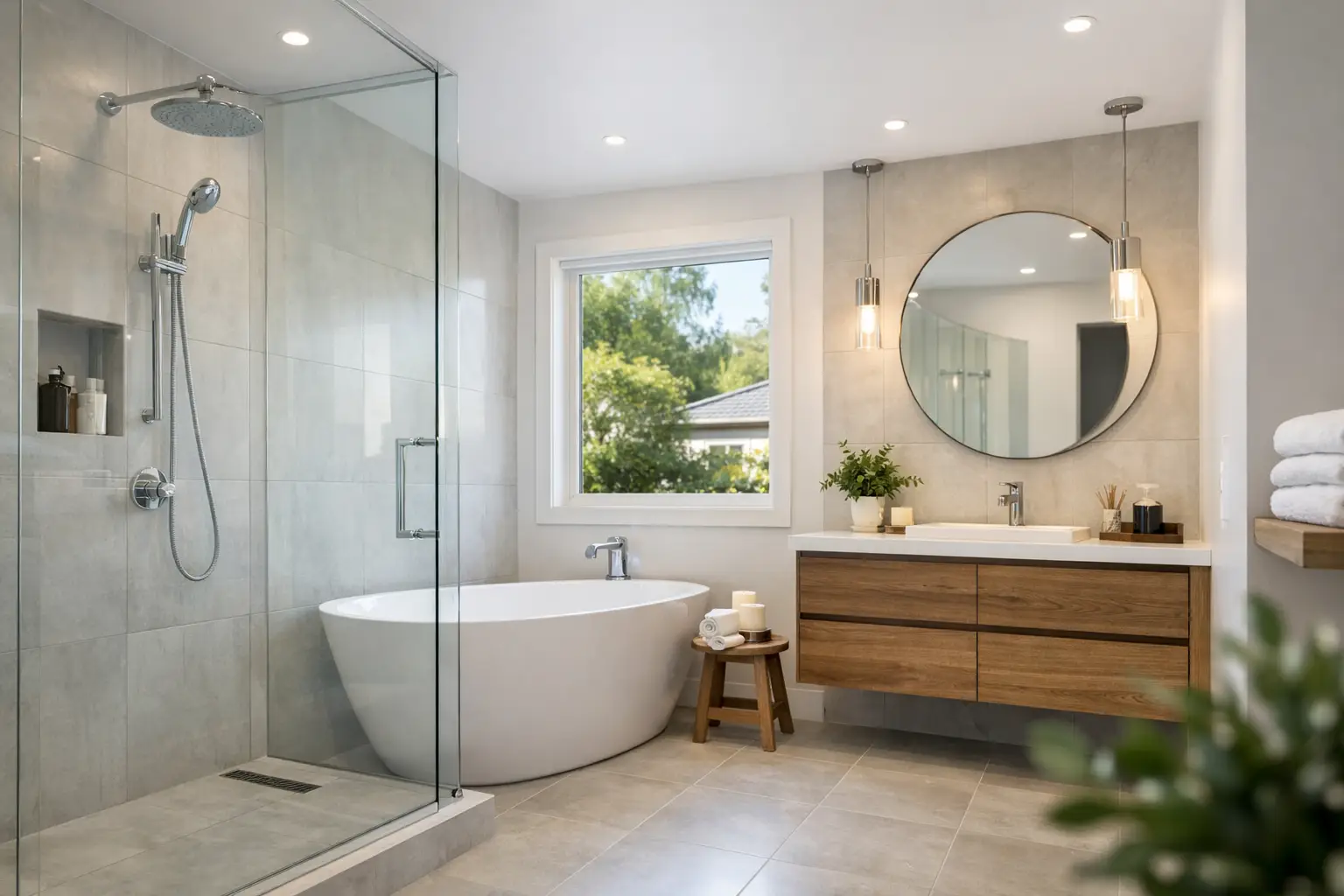
A bathroom can look fine on the surface and still be hiding the sort of problems that cost real money later – failed waterproofing, poor drainage, swollen skirting, loose tiles, or fixtures fitted without much thought for how the room is actually used. That is why bathroom renovations St Albans homeowners invest in need to be more than a visual update. They need to be built properly from the start.
In an area with plenty of older homes, mixed property styles, and bathrooms that have often been patched up over time, a proper renovation is usually about function as much as appearance. A new vanity or fresh tiles might improve the look, but if the layout is awkward, the shower leaks, or the ventilation is poor, the room still falls short where it matters.
What matters most in bathroom renovations St Albans
A good bathroom renovation starts behind the walls and under the floor. Most homeowners understandably focus first on tiles, tapware and colours. Those choices matter, but the real quality of the job comes down to the parts you do not see once the room is finished.
Waterproofing is the biggest one. If it is rushed, done by the wrong person, or not prepared properly, you can end up with moisture getting into surrounding rooms, damage to framing, mould issues, and repair costs far beyond the bathroom itself. A bathroom should be built to handle years of daily moisture, not just look good for handover photos.
Plumbing is another area where shortcuts show up later. Moving a shower, toilet or vanity can improve how the room works, but it has to be done with a clear understanding of falls, waste locations and compliance. The same goes for tiling. Clean lines and level finishes are important, but so is correct substrate preparation and proper installation so tiles stay put and water drains as it should.
For most households, reliability matters more than trends. If a bathroom is out of action or a defect appears after completion, it quickly becomes more than a minor inconvenience. That is why qualified trades and end-to-end project control matter.
The difference between a cosmetic update and a full renovation
Not every bathroom needs to be stripped back completely, but many do. If the bathroom is dated yet structurally sound, a targeted upgrade might be enough. That could include replacing old fittings, updating a vanity, retiling selected areas, or improving the shower setup.
If there are signs of water damage, movement, poor planning or ageing plumbing, a full renovation usually makes more sense. It costs more upfront, but it gives you the chance to fix the actual issues instead of covering them up. It also lets you rework the room for better use of space, which is often the biggest improvement in smaller St Albans bathrooms.
The right option depends on the condition of the existing bathroom, how long you plan to stay in the home, and what is frustrating you about the current setup. A family bathroom used every day needs a different solution from a spare ensuite or an investment property update.
Getting the layout right from the start
Layout is where many bathroom renovations either work brilliantly or feel compromised from day one. A bathroom does not need to be large to feel functional, but it does need the right clearances, storage and fixture placement.
In compact bathrooms, a walk-in shower can often open up the room far more effectively than a bulky shower screen configuration or unused bath. In other homes, keeping a bath is the practical choice, especially for families with younger children. There is no one-size-fits-all answer. What matters is how the household actually uses the space.
Vanity size is another common trade-off. A larger vanity adds storage and bench space, but it can also make the room feel tight if traffic flow is poor. Recessed shaving cabinets, wall-hung vanities and smart niche placement can solve storage problems without overcrowding the room.
Small design decisions make a big difference too. The way the shower door opens, where the towel rail sits, whether the toilet feels boxed in, and how natural and artificial light work together all affect the finished result. Good planning avoids that all-too-common issue where a new bathroom looks modern but still feels awkward.
Why licensed trades matter in wet areas
Bathrooms are one of the most technical rooms in the house. You are dealing with water, drainage, structural surfaces, sealed penetrations, ventilation and strict installation standards in a relatively small area. That is why this kind of work should not be treated like a simple decorative project.
A renovation handled by qualified trades gives homeowners confidence that the essential work is being done properly. That includes demolition and strip-out, plumbing changes, waterproofing, carpentry, tiling and fit-off. When these stages are coordinated well, the finish is cleaner and the project usually runs more smoothly.
It also reduces the risk of finger-pointing between separate contractors. If one person installs the sheeting, another does the waterproofing, another lays tiles, and no one is really overseeing the full job, defects can become difficult to sort out later. End-to-end delivery matters because bathrooms are built in layers, and each layer affects the next.
That is a big reason homeowners across Melbourne’s western suburbs look for renovation teams with a registered plumber, qualified carpenter and certified waterproofer involved in the job. It is not about adding complexity. It is about getting the work right where it counts.
Finishes should suit real life, not just the showroom
There is nothing wrong with wanting a bathroom to look sharp. A clean, modern finish adds comfort and value to the home. But the best bathrooms are designed for day-to-day use, not just style boards.
Large-format tiles can make a bathroom feel more spacious and reduce grout lines, but they need careful installation, especially where falls to waste are involved. Wall-hung vanities create a cleaner visual line and can make cleaning easier, though they are not always the best choice if maximum storage is the top priority. Matte black fixtures look great in the right setting, but they can show water spotting more readily than some homeowners expect.
That is where practical advice matters. A renovation should reflect how much maintenance you are happy to do, how hard the bathroom is used, and whether the space needs to cope with kids, guests, ageing in place, or rental wear and tear. Trends come and go. Solid workmanship and sensible selections last longer.
Fast turnaround only works when the process is controlled
Most homeowners want the job done quickly, and that is fair enough. Living without a functioning bathroom is disruptive. But speed only helps if the work is still completed properly.
The best renovations move efficiently because the planning is clear, materials are selected early, trades are booked in the right order, and the scope is understood before demolition begins. Delays often come from the opposite – late decisions, hidden issues, or a disorganised handover between trades.
A straightforward process usually starts with an on-site inspection and quote, followed by a clear discussion about layout, inclusions, finishes and timeframe. Once the project begins, each stage should have a purpose. Strip-out needs to be clean. Prep work needs to be thorough. Waterproofing needs time to be done correctly. Fit-off needs attention to detail, not a rush at the end.
That practical, no-fuss approach is exactly what many homeowners want when they speak to a local specialist like BP Building & Maintenance. They are not chasing hype. They want a bathroom that works, lasts, and does not create fresh problems six months later.
Choosing a renovation team in St Albans
When comparing contractors, look past the surface pitch. Photos matter, but so do qualifications, scope of service and how clearly the job is explained. Ask who is handling the plumbing, who is completing the waterproofing, and whether the renovation is being managed from demolition through to final fit-off.
It is also worth paying attention to how specific the quote is. Vague pricing can lead to awkward conversations once the work starts. A good quote should make clear what is included, what assumptions have been made, and where extra work may arise if hidden damage is uncovered after strip-out.
Local experience helps too. Homes in St Albans can vary widely, and older bathrooms often come with uneven surfaces, outdated plumbing layouts or previous patch repairs that need to be corrected. A team that has seen these conditions before is better placed to give realistic advice upfront.
A well-built bathroom should feel simple once it is finished. The shower drains properly. The storage works. The room is easy to clean. The fittings are solid. Nothing leaks, lifts, swells or shifts. That kind of result comes from experience, qualified workmanship and attention to detail long before the final silicone goes in.
If your current bathroom is tired, cramped, leaking or just not working for the way your household lives, the right renovation is not about overcomplicating things. It is about getting the fundamentals right so the space feels better every day you use it.