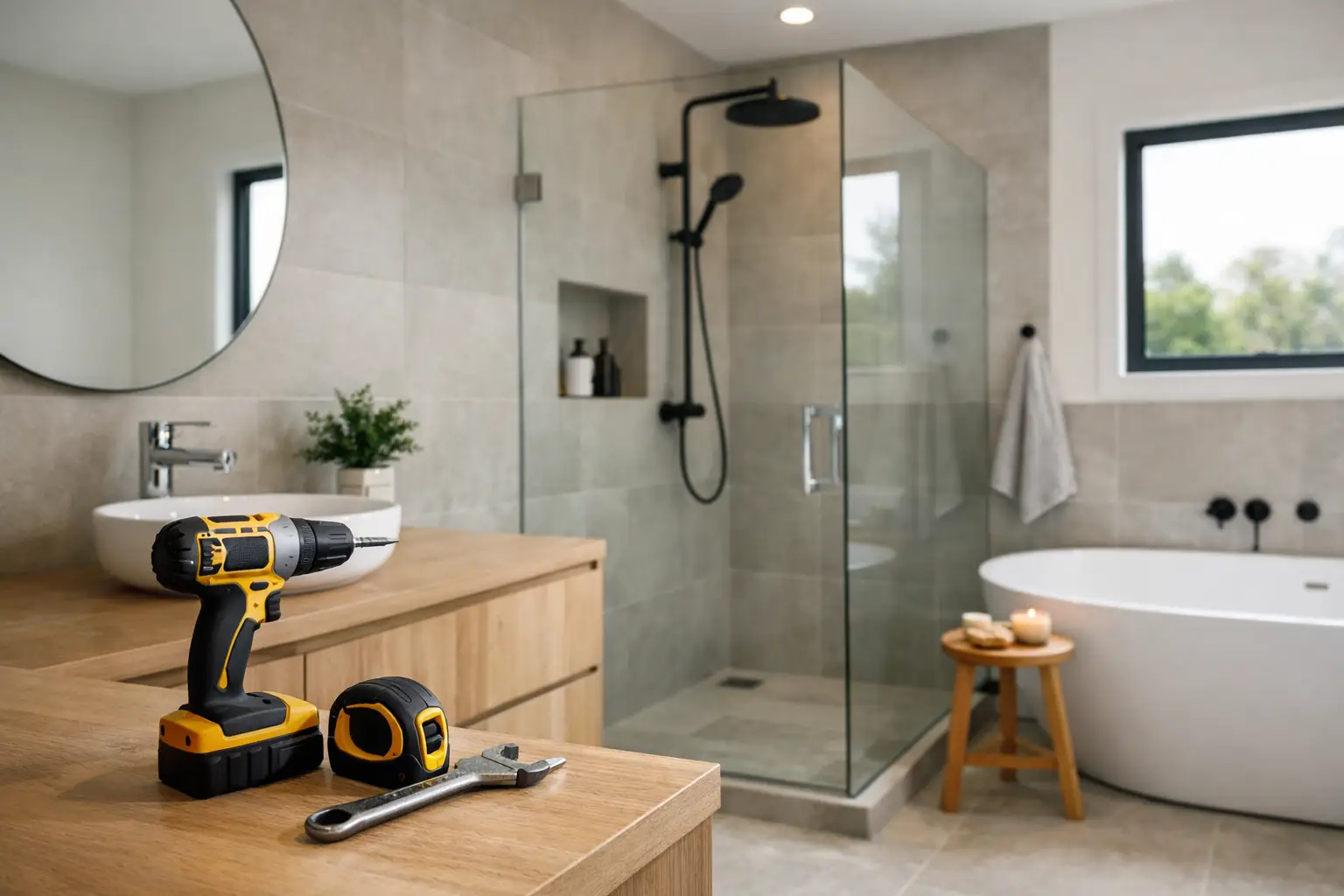
A bathroom can look tired long before it stops working. Cracked grout, a cramped shower, peeling silicone or a vanity with no usable storage are often the visible signs. The bigger concern sits behind the tiles. For a bathroom renovation Hoppers Crossing homeowners can rely on, the work needs to address the room as a complete wet area, not just replace fixtures on the surface.
A well-planned renovation gives you a bathroom that is easier to use, easier to clean and built to handle daily family life. It also protects the home from the costly problems caused by failed waterproofing, poor drainage and shortcuts around plumbing or tiling.
Start with how the bathroom needs to work
The best renovation decisions are practical ones. Before choosing tiles or tapware, look at how the room is used every morning and evening. A growing family may need more storage and a bath that is easy to supervise. A couple may prefer a larger walk-in shower and a double vanity. In an investment property, durable finishes and straightforward access for future maintenance can make more sense than highly specialised fittings.
Layout is where a renovation can make the biggest difference. Moving a toilet, shower or vanity can improve a tight room, but it may also require changes to plumbing and add to the scope. Keeping major services in roughly the same place can help control costs, although it should not prevent a layout change that genuinely makes the room safer or more functional.
Think about the everyday details early. Is there room to open the vanity without blocking the doorway? Will the shower screen make cleaning awkward? Does the mirror provide enough light for getting ready? A bathroom should work well when it is busy, not only look good in photos.
What a complete bathroom renovation includes
A full renovation is a sequence of connected trade works. Each stage needs to be carried out properly because the next one depends on it. Starting with demolition and strip-out allows the existing condition of the room to be assessed, including any signs of water damage, uneven floors or unsuitable wall linings.
From there, plumbing and carpentry work prepare the space for the new layout. This may involve new pipework, alterations for a shower niche, framing for a wall-hung vanity or corrections to floors and walls before tiling begins. These preparation stages are not the glamorous part of a renovation, but they directly affect the finish and lifespan of the bathroom.
Waterproofing is the critical barrier between the wet area and the structure of your home. It needs to be applied over properly prepared surfaces and allowed to cure as required before tiles are installed. A neat tile finish cannot compensate for poor waterproofing underneath it. This is why choosing a renovation team with certified waterproofing capability is a practical safeguard, not an optional extra.
Tiling, grouting, silicone, fixture installation and final fit-off then bring the room together. Good workmanship is visible in straight lines, sensible tile cuts, clean junctions and fixtures that sit level and operate properly. It is also visible in the details you do not notice later – water draining toward the outlet, doors clearing adjacent fittings and access remaining available where needed.
Waterproofing and drainage are not areas to compromise
Bathrooms deal with steam, splashing, wet feet and regular cleaning. Over time, even a small weakness around a shower, wall junction or floor waste can allow water to travel where it should not. By the time stains, swollen skirting boards or mould appear in an adjoining room, the repair can be far more involved than the original issue.
The shower area deserves particular attention. A walk-in shower can create an open, modern feel and makes access easier, but it requires careful falls, drainage placement and waterproofing detail. A frameless screen may suit a larger bathroom, while a more enclosed shower can be the practical option where keeping water contained is the priority. There is no single right answer. The room size, floor level, ventilation and household needs all matter.
Good ventilation also supports the work done behind the walls and under the tiles. An appropriately selected exhaust fan, sensible window use and finishes that are easy to wipe down help limit moisture buildup. Ventilation will not fix a waterproofing failure, but it reduces the conditions that lead to mould and premature wear.
Choose finishes for daily use, not just first impressions
There is plenty of choice in tiles, tapware and vanity styles. The aim is to create a bathroom you will still be happy with after years of use. Large-format tiles can make a compact room feel less busy because there are fewer grout lines, but they may require more planning around cuts and floor falls. Smaller tiles can offer more grip and work well on shower floors, though they introduce more grout to maintain.
For most family bathrooms, a neutral tile base with a durable vanity and quality fittings is a safe long-term approach. Character can come through the mirror, lighting, tapware finish or feature wall rather than committing the whole room to a short-lived trend. Matte finishes can soften the look of a space, while polished surfaces reflect more light. Both can work well when chosen for the room’s lighting and cleaning needs.
Storage is often underestimated. Drawers tend to make everyday items easier to reach than a deep cupboard. Recessed shower niches reduce clutter around the floor and ledges, but they need to be positioned carefully so they suit the tile layout and do not interfere with plumbing. A custom vanity can be worthwhile where an off-the-shelf size leaves wasted space or fails to accommodate the basin and storage you need.
Getting a clear scope before work begins
A detailed quote should make it clear what is included in the renovation. That means more than a single figure for a new bathroom. You should understand the proposed demolition, plumbing, waterproofing, tiling, carpentry, fixtures, installation and final fit-off, as well as who is supplying key materials.
Allow for the possibility that strip-out reveals an issue hidden behind the existing finishes. Older bathrooms can conceal moisture damage, decayed timber, uneven substrates or outdated plumbing. A professional should explain how unexpected work will be discussed and priced before it proceeds. Transparency at this point avoids unnecessary stress once the bathroom is already out of action.
It is also worth confirming the renovation schedule and access arrangements. A full bathroom refurbishment involves noise, dust and trades moving through the home, even with proper care and site protection. If it is your only bathroom, planning temporary arrangements before work starts makes the process far easier.
Why qualified trade work matters
Bathroom renovations bring plumbing, waterproofing, structural preparation and finishing work into one small space. A cheap cosmetic quote can look attractive until essential work is excluded, rushed or handed between separate contractors without clear responsibility for the finished result.
Using a team that can manage the project from demolition through to fit-off gives homeowners one point of contact and better control over sequencing. At BP Building & Maintenance, registered plumbing, qualified carpentry and certified waterproofing capability are part of the service because the work behind the finishes matters as much as the final appearance.
This approach is especially valuable when the bathroom has existing issues or a layout needs to change. Rather than treating each trade as a separate task, the renovation can be planned around drainage, wall preparation, waterproofing and tile layout from the outset.
A better bathroom starts with an honest site assessment
Every Hoppers Crossing home is different. The condition of the existing bathroom, the age of the property, access to services and the finish level you want will shape the right approach and budget. A site inspection is the time to raise the practical questions, identify limitations and discuss options that suit the room rather than forcing a standard package into it.
Choose a renovation team that talks plainly about what is needed, what can be retained and where spending more will protect the result. A bathroom is used every day. Getting the structure, waterproofing and workmanship right gives you the confidence to enjoy the finished space for years to come.
Leave a Reply