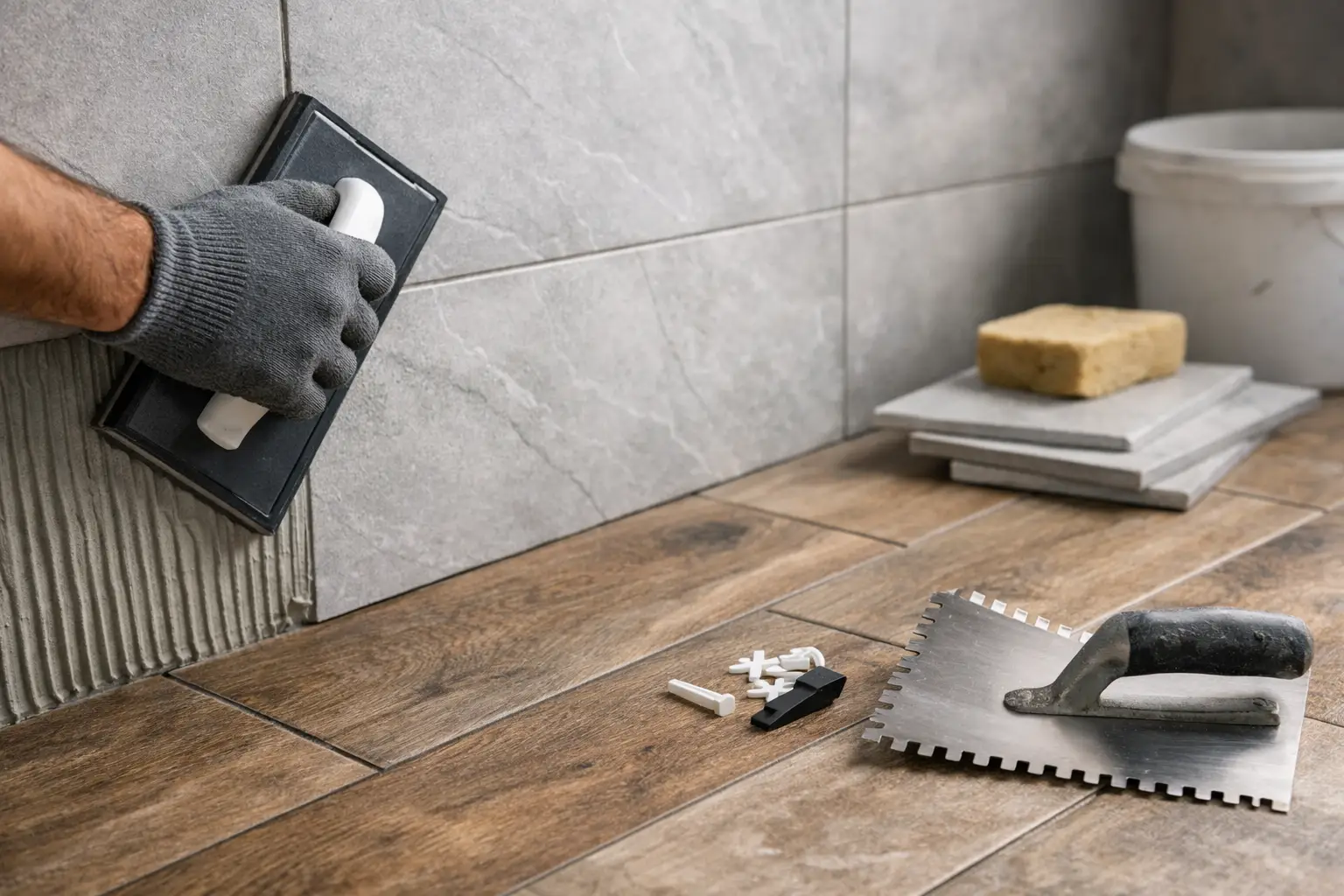
A bathroom can look sharp on day one and still fail where it counts. That usually comes down to what sits behind the surface. With wall and floor tiling, the finish matters, but so do the falls, the substrate, the waterproofing and the setting out. If any of those are off, you can end up with cracked tiles, pooling water, mould issues or grout that starts breaking down far too early.
That is why good tiling is not just about picking a tile you like. In wet areas, it is part of a bigger system that needs to be built properly from the ground up. For homeowners planning a bathroom renovation, understanding what quality looks like can save a lot of cost and frustration later.
What quality wall and floor tiling actually involves
A proper tiling job starts well before the first tile is laid. The surface underneath needs to be sound, level and prepared for the conditions in that room. In bathrooms and laundries, that also means waterproofing has to be completed correctly before tiling begins.
This is where many problems start. Tiles and grout are not the waterproof barrier. They are the finished surface. If the substrate moves, the screed is uneven or the waterproofing is poor, the tiles will not hide it for long. A neat-looking job can still be a bad job.
Wall tiling and floor tiling also have different demands. Walls need straight lines, clean cuts and consistent joints, especially around niches, tapware and corners. Floors need correct falls to waste, safe levels at transitions and a layout that works around drains and shower areas without creating awkward cuts or trip points.
Why bathroom tiling is not just a cosmetic job
In a bathroom, tiles do more than finish the room. They protect high-use surfaces, support easier cleaning and help the space handle constant moisture. But their performance depends on how the whole area is built.
For example, floor tiling in a walk-in shower has to direct water efficiently to the waste. If the fall is too flat, water sits. If it is too steep or inconsistent, it feels poor underfoot and can create drainage issues in different corners. The best result is one you barely notice because it works exactly as it should.
Wall tiling matters just as much. Crooked lines around a vanity or shower screen stand out immediately. More importantly, poor detailing around penetrations and edges can leave weak points in the wet area. In a full renovation, tiling needs to be coordinated with plumbing, waterproofing and fit-off, not treated as a separate trade working in isolation.
The choices that affect the final result
Tile selection has a direct impact on installation, maintenance and long-term performance. Larger format tiles can create a cleaner, more modern look with fewer grout lines, but they demand flatter surfaces and tighter preparation. If the walls or floors are out, large tiles can expose every issue.
Smaller tiles can be more forgiving on curved or graded surfaces, which is why they are often used on shower floors. They allow the tiler to form falls more accurately around wastes. The trade-off is more grout joints, which can mean more cleaning over time.
Then there is the finish. A polished tile may suit a wall, but it is not always ideal on a bathroom floor where slip resistance matters. A textured or matte finish often performs better in wet conditions, though it can require a different cleaning approach. There is no single right answer. It depends on how the bathroom is used, who uses it and how much maintenance you want to deal with.
Layout and set-out are where workmanship shows
You can spot a well-planned tiling job before you look at the grout. The tile layout feels balanced. Cuts are deliberate, not forced. Features line up. Niches, mixers, wastes and vanities sit comfortably within the pattern instead of looking like they were squeezed in afterwards.
This is one of the biggest differences between rushed work and quality work. A proper set-out considers where the eye naturally goes when you enter the room. It aims to avoid tiny slivers at edges, awkward cuts around fixtures and uneven joints that make the whole bathroom feel off.
In practical terms, this means the tiler should be thinking ahead. If a wall tile layout throws the floor out, or the waste ends up badly positioned in the pattern, the finished room suffers. It is not just about laying straight tiles. It is about making the whole space work visually and functionally.
What can go wrong when corners are cut
The most common tiling failures are not dramatic at first. They show up as hairline cracks, drummy tiles, stained grout, water sitting where it should not, or movement at junctions. Over time, those signs can point to bigger issues underneath.
Sometimes the problem is poor preparation. Sometimes it is the wrong adhesive for the tile type or substrate. Sometimes it is movement in the structure that was not allowed for. And in wet areas, the biggest risk is often hidden water damage caused by failed waterproofing or bad detailing.
That is why cheap tiling quotes can be misleading. If the scope leaves out proper substrate preparation, waterproofing coordination or rectification of existing issues, the price may look attractive at first but costly later. Replacing tiles is one thing. Rebuilding a failed bathroom is another.
Why end-to-end bathroom work gets better results
Tiling works best when it is part of a properly managed renovation, not patched into a disjointed process. Bathrooms involve multiple trades, and the handover between them matters. If demolition is rough, surfaces can be compromised. If plumbing rough-in is off, the tile layout can suffer. If waterproofing and tiling are not coordinated, the wet area is at risk.
That is why many homeowners prefer one team to manage the entire bathroom renovation. It reduces delays, finger-pointing and mistakes between trades. It also means the finish is backed by people who understand the room as a complete build, not just one part of it.
For homes across Caroline Springs and Melbourne’s western suburbs, that practical approach matters. Most people are not looking to manage a string of separate contractors while trying to keep the household running. They want the job done properly, with trades who know wet areas and understand what has to happen at each stage.
How to judge a tiling job before you commit
If you are speaking with a bathroom renovator, ask how the tiling stage is planned, not just what tiles they can install. A good operator should be able to explain substrate preparation, waterproofing, falls, waste placement and how they handle tricky areas such as niches, hobs, corners and transitions.
It is also worth asking who is responsible for the wet area as a whole. The best outcomes usually come from qualified trades working in step, especially where plumbing, waterproofing and tiling need to align. That is one reason homeowners choose specialists with the right trade background rather than taking chances on whoever offers the cheapest square metre rate.
You should also expect attention to the details that affect the final feel of the room. That includes straight lines, tidy silicone work, consistent grout joints, sensible tile set-out and clean finishing around fixtures. None of those details are minor. Together, they are what make a bathroom feel solid, finished and worth the investment.
Wall and floor tiling should hold up to real use
A bathroom is one of the hardest-working rooms in the house. It sees daily traffic, regular moisture, temperature changes and constant cleaning. The tiling has to cope with all of it, not just look good in photos.
That is why durable wall and floor tiling comes back to workmanship every time. The right products matter, and so does the tile choice, but the long-term result depends on how the job is built. When the preparation is right, the waterproofing is done properly and the tiles are laid with care, the room not only looks better – it performs better.
If you are renovating, it pays to think past the showroom sample. The tile is only one part of the result. What matters most is whether the bathroom has been built to last, with the kind of trade-qualified care that stands up years after the grout has cured.
A good tiling job should not need excuses, touch-ups or constant watching. It should simply do its job every day, quietly and properly.