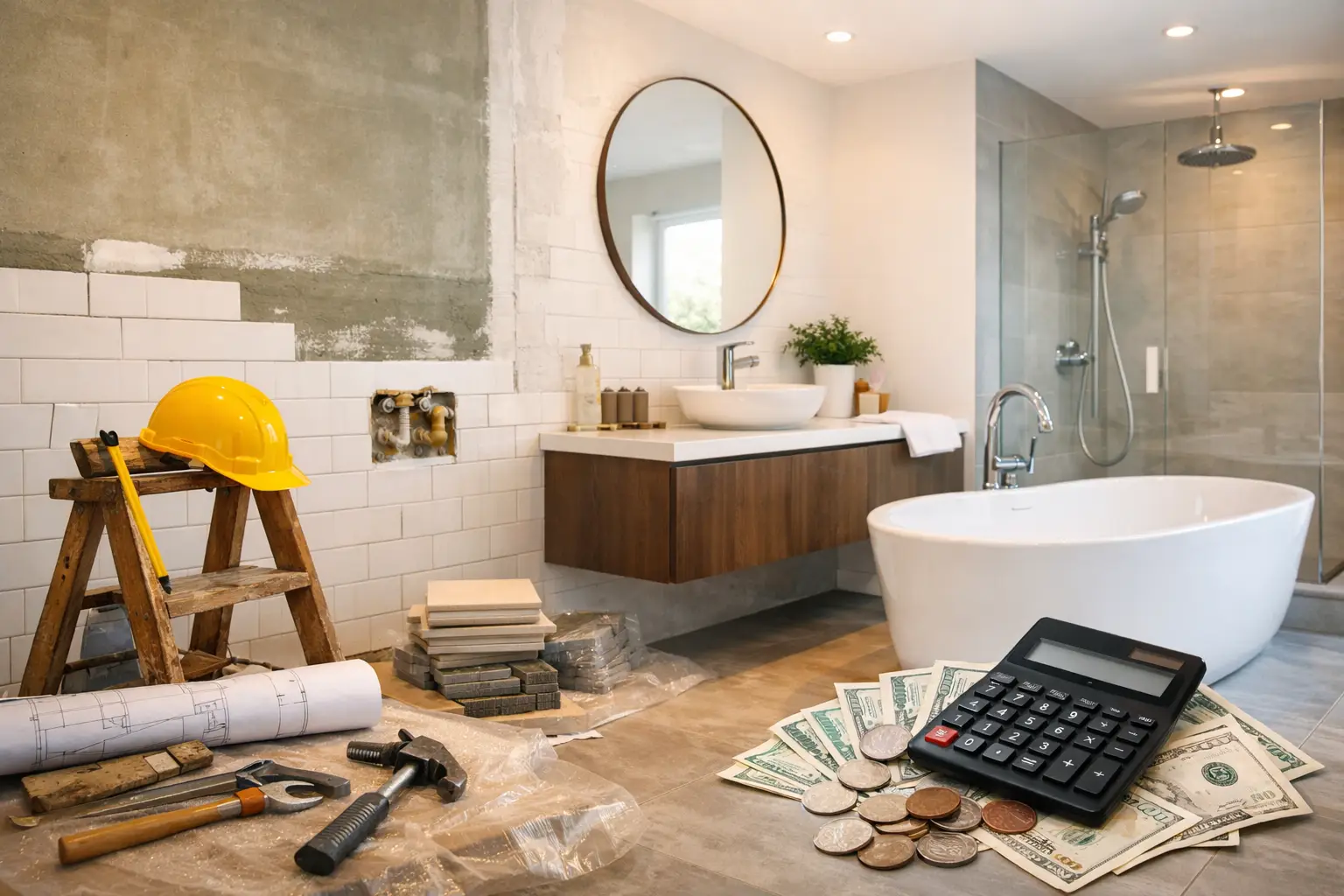
One bathroom quote comes in at $18,000, another lands closer to $32,000, and both can sound reasonable until you know what is actually included. That is why homeowners keep asking how much do bathroom renovations cost – because the real answer depends less on the room size alone and more on the build quality, layout changes, waterproofing requirements and the level of finish you want.
If you are planning a bathroom upgrade, the smart approach is to look past the headline number. A cheap quote can leave out critical work such as proper preparation, compliant waterproofing or quality fit-off. A higher quote may include full demolition, plumbing changes, certified waterproofing, tiling, custom joinery and project coordination from start to finish. On paper, both are “bathroom renovations”, but they are not the same job.
How much do bathroom renovations cost in real terms?
For most standard bathroom renovations in Melbourne’s western suburbs, a realistic starting point is often around $15,000 to $20,000 for a basic functional upgrade, with many full renovations sitting in the $20,000 to $35,000 range. High-end projects with premium fixtures, custom vanities, structural changes or complex layouts can push well beyond that.
Those figures are broad for a reason. A compact ensuite with minimal plumbing movement is a very different project from a family bathroom that needs a walk-in shower, floor-to-ceiling tiling, a new vanity, upgraded drainage and better storage. The room may only be a few square metres, but it involves multiple licenced trades and very little room for error.
A bathroom is one of the most technical rooms in the house. Demolition, carpentry, plumbing, waterproofing, tiling, electrical, silicone sealing and fixture installation all need to line up properly. If one stage is rushed or done poorly, the problems usually show up later as leaks, cracked grout, mould, loose tiles or water damage.
What drives bathroom renovation costs?
The biggest cost factor is the scope of works. If you are replacing like for like in roughly the same positions, the job is simpler and usually cheaper. Once you start moving the shower, toilet or vanity, plumbing work becomes more involved and costs rise quickly.
Tile selection also has a major impact. Larger format tiles, feature tiles and floor-to-ceiling wall tiling can lift the finish of the room, but they also increase material and labour costs. More cuts, more edge work and tighter set-out all take more time. A bathroom with standard wall tiling to a practical height will usually cost less than one designed for a premium architectural finish.
The condition of the existing bathroom matters too. Once strip-out starts, hidden issues can appear – damaged wall sheeting, uneven floors, old plumbing, water ingress or previous non-compliant work. These are not cosmetic problems. They need to be fixed before the new bathroom goes in, otherwise you are building over risk.
Fixtures and fittings can move the budget more than many people expect. Toilets, tapware, shower rails, mixers, basins, mirrors and vanities come in a huge range of price points. A clean, practical set of fixtures can still look great without blowing the budget, but once you choose custom cabinetry, frameless shower screens, niche shelving, twin basins or designer tapware, the total climbs fast.
Budget level vs finished result
At the lower end of the budget, the focus is usually on function, durability and smart product choices. You might keep the existing layout, choose reliable mid-range fixtures and avoid unnecessary extras. Done properly, this can still deliver a fresh, modern bathroom that performs well and lasts.
In the mid-range, you generally have more room to improve both looks and usability. This is where many homeowners add a walk-in shower, upgrade the vanity, improve storage, retile the full space and create a more polished finish overall. For many households, this range gives the best balance between cost and long-term value.
At the upper end, the renovation becomes more tailored. That might mean custom vanities, recessed shaving cabinets, premium tiles, underfloor heating, stone surfaces or significant layout reworking. These bathrooms can look excellent, but the value depends on whether the inclusions match how you actually use the space.
Spending more does not automatically mean better value. In bathrooms, good value comes from getting the fundamentals right – waterproofing, drainage, ventilation, fit-off quality and finishes that stand up to daily use.
Where the money should go first
If you are trying to control costs, there are areas where it makes sense to be careful and others where cutting corners usually backfires. Waterproofing is one area that should never be treated as optional or rushed. A bathroom can look perfect on handover day and still fail later if the waterproofing system has not been installed correctly.
The same applies to plumbing and preparation. Proper falls to waste, solid substrate preparation and accurate installation make a big difference to how the bathroom performs over time. You can save money by choosing practical tiles or simpler fittings, but the trade work underneath needs to be right.
This is one reason many homeowners prefer an end-to-end renovation team rather than trying to piece together separate trades. When demolition, waterproofing, plumbing, carpentry, tiling and fit-off are properly coordinated, there is less chance of delays, crossed wires or quality issues slipping through.
Why quotes can vary so much
When comparing bathroom quotes, it is worth checking exactly what each one covers. Some quotes include demolition, rubbish removal, waterproofing, tiling, plumbing fixtures, shower screens, painting and final clean-up. Others may only cover part of the work, leaving you to arrange additional trades or supply key items yourself.
A lower quote is not always cheaper in the end. Variations can stack up once the project starts, especially if the original price was based on minimal allowances or missing items. It is better to get a clear breakdown at the start than to be surprised halfway through the job.
Timeframe also affects pricing. A well-organised team that can complete the work efficiently still needs to allow enough time for each trade stage to be done properly, especially waterproofing and curing times. Fast turnaround is valuable, but not if it comes at the expense of workmanship.
How to budget properly for a bathroom renovation
A sensible way to budget is to decide what matters most before you request quotes. If your main goal is to fix an outdated bathroom with better durability and easier cleaning, that leads to a different specification than a renovation focused on luxury finishes.
It also helps to allow a contingency, especially in older homes. Once demolition begins, hidden issues can appear. Having extra room in the budget gives you flexibility to deal with necessary repairs without compromising the rest of the project.
Bring your must-haves and nice-to-haves to the quote stage. If a walk-in shower matters but imported feature tiles do not, say that upfront. A good renovation team can often suggest practical ways to keep the look strong while controlling cost where it makes sense.
For homeowners in Caroline Springs and surrounding western suburbs, local experience can make a real difference here. Bathrooms in similar housing stock often come with familiar layout constraints, common plumbing arrangements and recurring waterproofing issues. That kind of experience helps quotes stay realistic from the start.
A cheap bathroom can be expensive later
The bathroom is not the room to judge by appearance alone. Straight after completion, many bathrooms look fine. The difference shows up months or years later in the details – whether water drains correctly, whether tiles stay bonded, whether seals hold, whether cabinetry copes with moisture and whether the whole space still feels solid under daily use.
That is why the real question is not only how much do bathroom renovations cost. It is also what standard of work you are paying for, and whether the renovation is being handled by qualified trades who understand the technical side as well as the finish.
A bathroom renovation should solve problems, not create new ones. If the quote is clear, the scope is realistic and the workmanship is sound, you are far more likely to end up with a bathroom that feels worth the investment every single day. When you are ready to price your project, the best place to start is with a detailed quote based on your actual bathroom, not a guess built around the cheapest number.