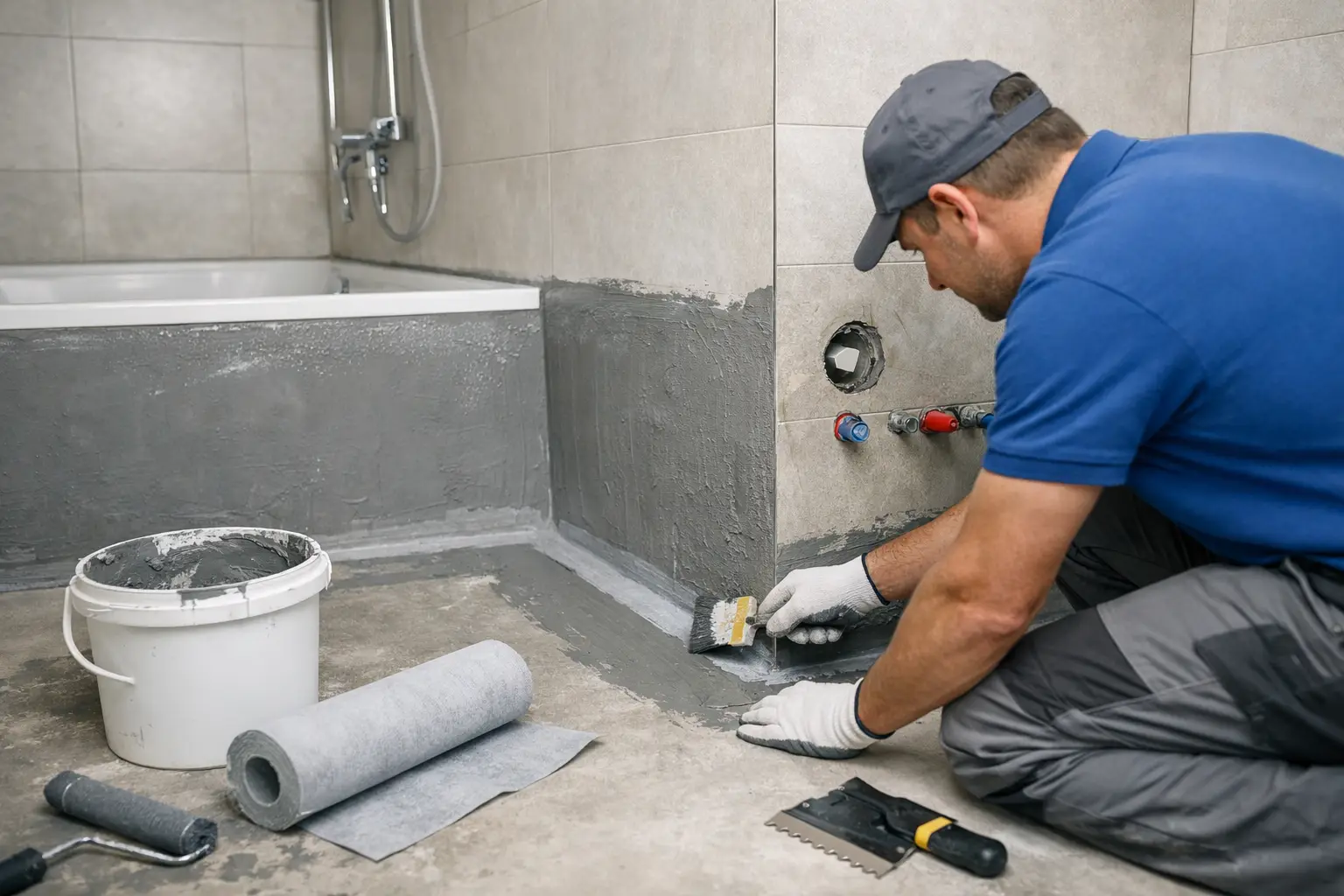
A bathroom can look brand new on the surface and still be one leak away from expensive damage. Tiles, grout and fresh fittings do not stop water on their own. That is why a proper bathroom waterproofing service matters so much. If the membrane work underneath is rushed, incomplete or non-compliant, the problems usually show up later – swollen skirting, lifting tiles, mould smells, stained ceilings and repairs that cost far more than doing it properly the first time.
For homeowners planning a renovation, waterproofing is not the flashy part of the job, but it is one of the most critical. It protects the structure, helps meet compliance requirements and gives the rest of the bathroom a solid foundation. If you are updating an older bathroom or fixing a failed one, this is not the area to cut corners.
What a bathroom waterproofing service actually covers
A professional bathroom waterproofing service is more than rolling on a product and waiting for it to dry. It starts with the condition of the substrate, the bathroom layout and the areas exposed to regular water. Showers, floor waste zones, wall-floor junctions, penetrations around plumbing, hob details and wet area transitions all need the right treatment.
The job usually begins after demolition or strip-out, once the surfaces are prepared and ready. Preparation matters because membranes only perform as well as the surface beneath them. If the floor is uneven, the sheeting is loose, or corners and penetrations are not properly detailed, the waterproofing system is already compromised before tiling starts.
From there, the waterproofer applies the membrane system in line with the product specifications and Australian standards. That includes reinforcing critical joints, sealing around outlets and pipes, and building enough coverage in the right areas. Drying times also matter. A membrane that is tiled over too early can fail long before the bathroom reaches its expected lifespan.
Why waterproofing fails in bathrooms
Most bathroom waterproofing failures come back to shortcuts. Sometimes the wrong product is used for the application. Sometimes the preparation is poor. In other cases, trades work out of sequence, or details around drains and corners are not finished correctly.
Older bathrooms in Melbourne’s western suburbs often have another issue – age-related movement and wear. You might not notice it at first, but cracked grout, loose tiles and soft wall linings can all point to water getting where it should not. In a lot of homes, the visible damage is only the tip of it.
There is also a difference between a bathroom that looks watertight and one that genuinely is. Grout is not waterproof. Silicone is not a substitute for a membrane. Even a well-tiled shower can leak if the waterproofing underneath has been skipped, patched or poorly applied.
Bathroom waterproofing service in a renovation project
In a full renovation, waterproofing sits right in the middle of the project and affects everything that comes after it. The demolition needs to be clean. The plumbing rough-in needs to be accurate. The carpentry and sheeting need to be ready for membrane application. Then the waterproofing needs to be completed before tiling, fit-off and final finishes.
This is why many homeowners prefer one team to manage the whole bathroom instead of trying to coordinate separate trades. When the plumber, carpenter, waterproofer and tiler are all working to the same plan, there is less chance of missed details or finger-pointing later. It also keeps the timeline tighter and gives you clearer accountability if any issue comes up.
A bathroom renovation is one of those jobs where sequencing is everything. If one stage is rushed to save a day, the impact can last for years.
What compliant waterproofing should give you
Good waterproofing is not just about passing a quick visual check. It should give you confidence that the wet areas of your bathroom are protected where they need to be protected. That includes the shower recess, the bathroom floor in required zones, wall junctions, penetrations and other vulnerable points where water commonly tracks through.
You should also expect documentation and workmanship that stand up to scrutiny. For homeowners, that means peace of mind. For investors and anyone planning to sell later, it can also matter when buyers start asking what was done, who did it and whether the work was carried out by qualified trades.
There is a practical side to this as well. Proper waterproofing helps protect adjoining rooms, hallway flooring, cabinetry and ceilings below. A leak from a failed shower does not stay neatly inside the bathroom.
Signs you may need waterproofing work
If you are already seeing signs of trouble, it is worth acting early. Persistent mould, damp smells, bubbling paint on nearby walls, cracked tiles, loose grout, swollen door frames and water marks on the ceiling below are all warning signs. Sometimes the bathroom still looks mostly fine, but the damage is happening behind the finishes.
Not every bathroom needs a full rebuild, but many waterproofing issues are tied to bigger problems with the original installation. Spot repairs can work in limited cases, though they are not always the long-term answer. If the membrane has failed across a wider area, patching one section may only delay a more expensive repair.
That is where a proper site assessment matters. A good tradesperson should tell you plainly whether the issue can be repaired locally or whether the bathroom needs more extensive work.
Choosing the right bathroom waterproofing service
When you are comparing providers, the cheapest quote is rarely the best guide. Waterproofing is a technical trade, and poor work is often hidden once the tiles go on. By the time the problem appears, the installer may be long gone and the repair can involve removing finished surfaces that you have already paid for.
Look for a team that understands the entire bathroom build, not just one isolated stage. Waterproofing interacts directly with drainage falls, plumbing penetrations, shower construction and tile installation. If those trades are disconnected, details can get missed.
Qualifications matter too. A certified waterproofer, supported by trade-qualified bathroom specialists, gives you a stronger level of confidence than a general handyman offering a quick fix. For homeowners in places like Caroline Springs, Taylors Hill or Point Cook, local experience also helps. Different home ages, construction methods and renovation histories can affect how a bathroom should be approached.
It is also worth paying attention to how the quote is explained. Clear scope, realistic timing and straightforward communication are usually good signs. Vague promises and rushed pricing are not.
The trade-off between speed and quality
Most clients want a fast turnaround, and that is fair. No one enjoys having a bathroom out of action longer than necessary. But waterproofing has stages that cannot be rushed without increasing risk. Surface prep, membrane application and curing times all need to be respected.
A well-run renovation can still move efficiently. The key difference is whether the project is organised properly or simply pushed through. Fast and sloppy is expensive. Fast and controlled is what you want.
That balance matters even more in family homes where one bathroom might be doing the work of two. The right team should be honest about timing and realistic about what can be done without compromising the result.
Why experience across the full bathroom matters
Waterproofing does not happen in isolation. A poor shower base, badly set floor falls, loose sheeting or incorrect plumbing penetrations can all affect the final result. That is why homeowners often get better outcomes from specialists who handle complete bathroom renovations and understand how every stage connects.
BP Building & Maintenance takes that approach because it reduces gaps between trades and keeps workmanship accountable from strip-out through to fit-off. That matters when the goal is not just a better-looking bathroom, but one that performs properly year after year.
If you are renovating an ensuite, main bathroom or laundry wet area, the real value is in getting the hidden work right. You will see the tiles and tapware every day, but the waterproofing is what protects the investment behind them.
Bathroom waterproofing service is about long-term protection
A bathroom should be easy to use, easy to clean and built to last. None of that happens if water is getting into places it should not. Waterproofing is one of those jobs where quality shows up quietly over time. No leaks, no movement, no mould issues, no nasty surprises behind the wall.
If you are planning bathroom works, think beyond the finish selections and look closely at what is happening underneath. The best result is not the bathroom that only looks good on handover day. It is the one that still performs properly years later, after daily showers, steam, cleaning and constant use.
That is the standard worth aiming for, especially when the fix for getting it wrong is far more disruptive than getting it right from the start.