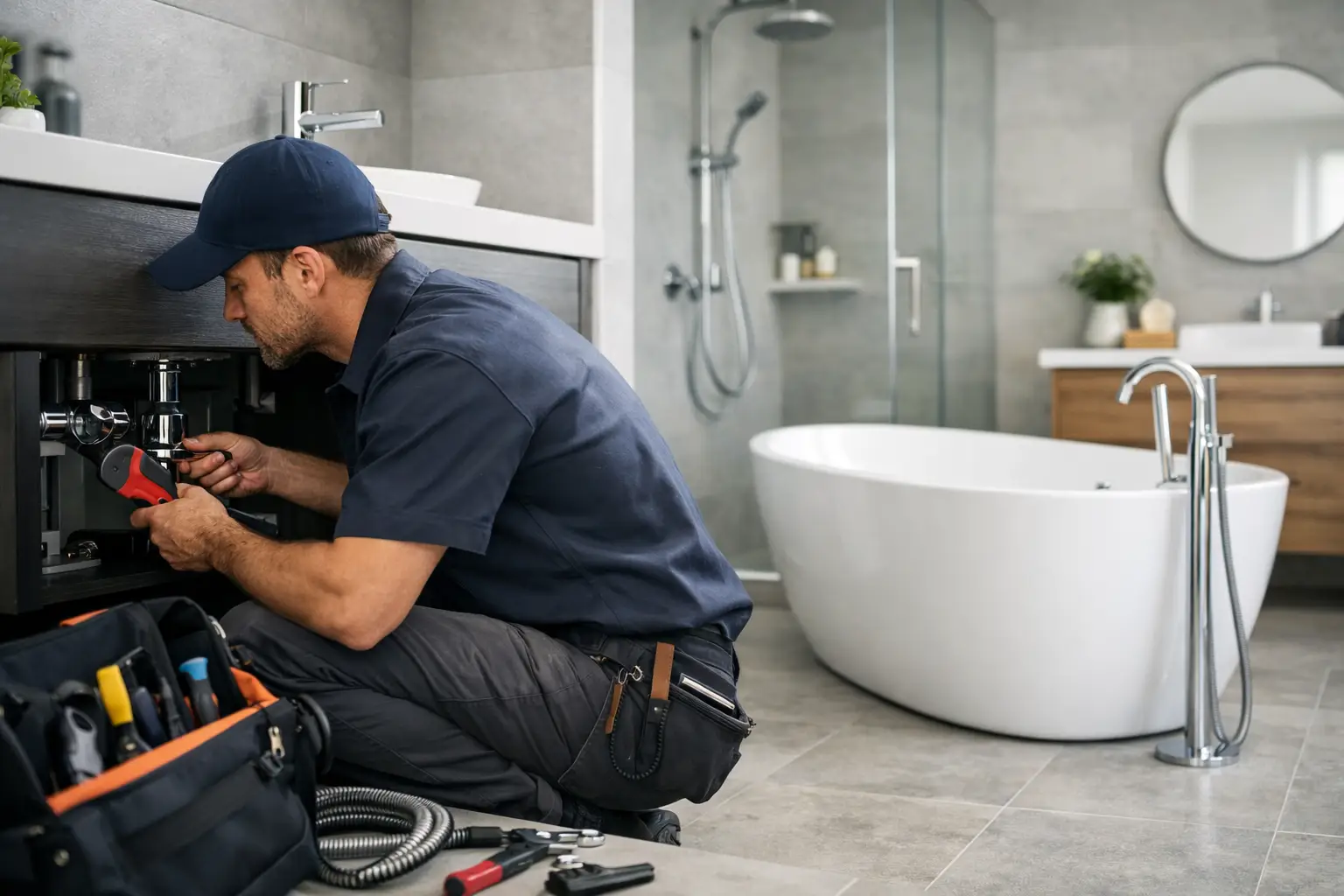
A new vanity, larger shower and fresh tiles can transform a tired bathroom, but the work behind the walls matters most. So, do bathroom renovations need plumbers? For most full bathroom renovations, yes. If water supply, drainage, fixtures or gas services are being disconnected, moved, replaced or connected, the job needs an appropriately registered or licensed plumbing professional.
That does not mean a plumber must handle every part of the renovation. Tiling, carpentry, waterproofing and painting each have their own requirements. But plumbing is one of the key trades that determines whether your finished bathroom is safe, compliant and built to last.
Do Bathroom Renovations Need Plumbers for Every Job?
It depends on the scope. A purely cosmetic update may not require plumbing work. If you are repainting, replacing a mirror, changing towel rails or fitting new cabinetry around existing services without touching the pipework, a plumber may not be needed.
Most bathroom upgrades are not purely cosmetic, though. Replacing a toilet, basin, shower, bath, tapware or mixer usually involves disconnecting and reconnecting water and waste services. Moving a vanity by even a short distance can mean altering pipe locations in the wall or floor. Changing a shower layout may require new drainage, water lines and floor preparation before waterproofing and tiling begin.
A plumber is generally required when your renovation includes:
- installing, relocating or replacing a toilet, shower, bath, basin or laundry trough
- altering hot or cold water pipes, drainage pipes, traps or floor wastes
- changing shower mixers, wall outlets or bath spouts where plumbing connections are affected
- installing water-efficient fixtures that need correct connection and testing
- working on gas hot water services or other gas connections
The practical rule is simple: if the work affects the water coming in, the wastewater going out or a gas service, bring in the plumber from the start.
What a Plumber Does During a Bathroom Renovation
A qualified plumber does far more than fit off a new tap or connect a toilet at the end. In a properly managed renovation, plumbing work is planned around the layout before demolition starts.
The first stage is often a site inspection. This identifies where existing water pipes, waste lines, venting and floor drainage sit, and whether the proposed design is realistic. A wall-hung vanity may look straightforward on a plan, for example, but its waste pipe height, stud locations and storage drawers all need to work together. A walk-in shower may need a different waste position or enough fall beneath the tiles for reliable drainage.
During strip-out, the plumber safely disconnects existing fixtures and caps services where required. Once the room is opened up, rough-in plumbing can be completed. This is the behind-the-wall and under-floor work that must be right before sheeting, waterproofing and tiles cover it.
After tiling and cabinetry are complete, the plumber returns for fit-off. That includes installing and connecting the toilet, vanity basin, shower rail, mixers, bath and other fixtures. The final stage is testing connections, checking drainage and making sure there are no leaks or pressure issues.
Why Plumbing Needs to Be Planned Before Tiling
One of the most expensive renovation mistakes is selecting a layout first and asking whether the plumbing can support it later. Moving a toilet, for instance, can be more involved than moving a basin because the waste pipe needs the correct size and fall. On a concrete slab, changes may require more demolition and reinstatement than homeowners expect.
The same applies to a shower. A linear drain, frameless screen and large-format tiles can create a clean, modern finish, but drainage falls must be designed accurately. If water pools in a corner or runs out of the shower area, the appearance of the renovation quickly stops mattering.
Good planning also prevents clashes between trades. The plumber, carpenter, waterproofer and tiler need a clear sequence. Pipework must be secured before wall linings go on. Penetrations need to be correctly prepared before waterproofing. Floor wastes and shower drains need to sit at the right height for the finished tile level.
This is why an end-to-end bathroom renovation team is often the simpler choice. The trades are coordinated from demolition through to fit-off, rather than being booked separately and left to resolve issues on site.
Plumbing, Waterproofing and Compliance Are Connected
Waterproofing and plumbing are separate trades, but they are closely linked in any wet area. Every pipe penetration through a wall or floor creates a point that must be properly detailed and sealed as part of the waterproofing system. Poor coordination at this stage can leave water tracking behind tiles or under the floor, where damage may not be visible for months.
In Victoria, plumbing work must meet applicable regulations and standards. Depending on the work completed, compliance documentation may also be required. A professional plumber can explain what applies to your project and provide the relevant paperwork where required.
Do not assume a bathroom renovation is compliant simply because it looks finished. Fresh grout and new fixtures cannot prove that drainage, pipe connections and waterproofing details were completed correctly. The quality of the work beneath the surface is what protects your home from leaks, mould, damaged framing and repeat repair costs.
Can You Keep Plumbing Costs Down Without Cutting Corners?
Yes. The most effective way to control plumbing costs is to retain the existing layout where it makes sense. Keeping the toilet, shower and vanity close to their current positions can reduce the amount of pipework alteration, particularly in bathrooms built on concrete slabs.
That said, the cheapest layout is not always the best long-term decision. If an awkward shower, poor storage or cramped vanity is the reason you are renovating, a modest plumbing change may be worthwhile. The key is understanding the cost before work starts, rather than treating it as an unexpected variation halfway through the job.
Be clear about your fixture selections early. Different vanities, tapware, baths and shower systems can have different connection requirements. Providing those details before rough-in allows the plumbing to be set out accurately and avoids last-minute compromises.
It is also worth avoiding the temptation to use unqualified labour for hidden work. A small saving on installation can become a far larger cost if a leak damages cabinetry, flooring or neighbouring rooms. Plumbing repairs after tiling is complete often mean removing finished surfaces to reach the actual problem.
When a Bathroom Renovation May Need More Than a Plumber
A complete bathroom renovation usually brings several skilled trades together. Along with plumbing, your project may need demolition and rubbish removal, carpentry for wall repairs or custom vanities, electrical work, waterproofing, plastering and tiling. Structural changes, altered openings or major layout changes can also raise building permit considerations.
Each project is different. An ensuite refresh with a new vanity and shower screen is not the same as converting a separate toilet and bathroom into one larger room. A professional site assessment helps identify the scope before work begins, including what can stay, what should be upgraded and which trades need to be scheduled.
For homeowners in Caroline Springs and Melbourne’s western suburbs, this is where local, trade-qualified project delivery makes a real difference. BP Building & Maintenance coordinates bathroom renovations from demolition through to waterproofing, tiling and final fixture installation, with a registered plumber, qualified carpenter and certified waterproofer involved in the work.
Questions to Ask Before Your Bathroom Renovation Starts
Before accepting a quote, ask who is completing the plumbing work, whether the proposed layout requires pipes or drainage to move, and what documentation will be supplied once the job is finished. You should also confirm whether your chosen fixtures are included in the plumbing scope or supplied separately.
Ask how the work will be sequenced around waterproofing and tiling. A clear answer is a good sign that the contractor understands wet-area construction as a complete system, not a collection of separate tasks.
A bathroom should be comfortable to use and easy to clean, but it also needs to perform properly every day. Start with a clear plan, use qualified trades for the work behind the walls, and you can enjoy the new finish without worrying about what may be happening underneath it.
Leave a Reply