Category: Uncategorized

  • Wall and Floor Tiling That Lasts

    Wall and Floor Tiling That Lasts

    A bathroom can look sharp on day one and still fail where it counts. That usually comes down to what sits behind the surface. With wall and floor tiling, the finish matters, but so do the falls, the substrate, the waterproofing and the setting out. If any of those are off, you can end up with cracked tiles, pooling water, mould issues or grout that starts breaking down far too early.

    That is why good tiling is not just about picking a tile you like. In wet areas, it is part of a bigger system that needs to be built properly from the ground up. For homeowners planning a bathroom renovation, understanding what quality looks like can save a lot of cost and frustration later.

    What quality wall and floor tiling actually involves

    A proper tiling job starts well before the first tile is laid. The surface underneath needs to be sound, level and prepared for the conditions in that room. In bathrooms and laundries, that also means waterproofing has to be completed correctly before tiling begins.

    This is where many problems start. Tiles and grout are not the waterproof barrier. They are the finished surface. If the substrate moves, the screed is uneven or the waterproofing is poor, the tiles will not hide it for long. A neat-looking job can still be a bad job.

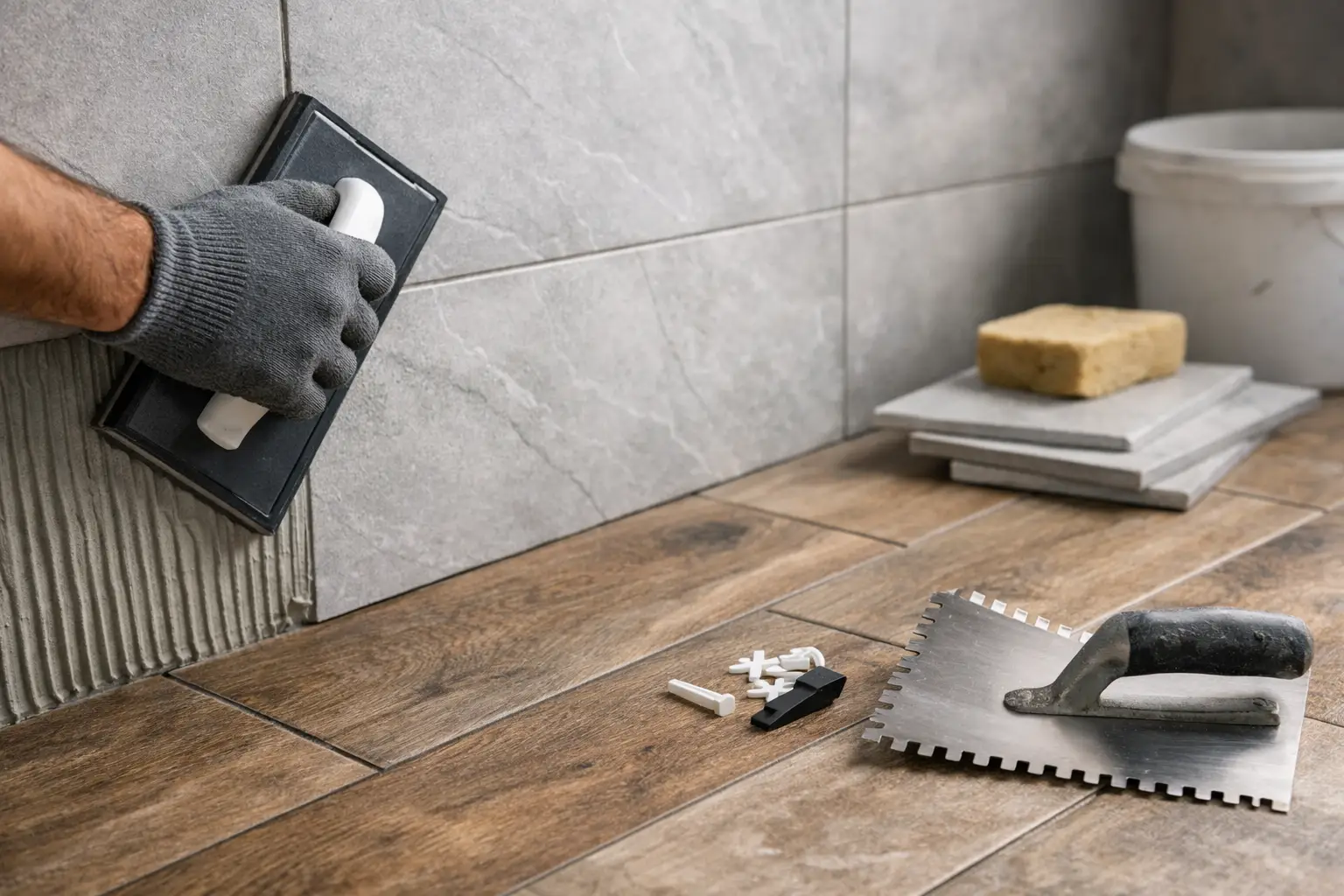
    Wall tiling and floor tiling also have different demands. Walls need straight lines, clean cuts and consistent joints, especially around niches, tapware and corners. Floors need correct falls to waste, safe levels at transitions and a layout that works around drains and shower areas without creating awkward cuts or trip points.

    Why bathroom tiling is not just a cosmetic job

    In a bathroom, tiles do more than finish the room. They protect high-use surfaces, support easier cleaning and help the space handle constant moisture. But their performance depends on how the whole area is built.

    For example, floor tiling in a walk-in shower has to direct water efficiently to the waste. If the fall is too flat, water sits. If it is too steep or inconsistent, it feels poor underfoot and can create drainage issues in different corners. The best result is one you barely notice because it works exactly as it should.

    Wall tiling matters just as much. Crooked lines around a vanity or shower screen stand out immediately. More importantly, poor detailing around penetrations and edges can leave weak points in the wet area. In a full renovation, tiling needs to be coordinated with plumbing, waterproofing and fit-off, not treated as a separate trade working in isolation.

    The choices that affect the final result

    Tile selection has a direct impact on installation, maintenance and long-term performance. Larger format tiles can create a cleaner, more modern look with fewer grout lines, but they demand flatter surfaces and tighter preparation. If the walls or floors are out, large tiles can expose every issue.

    Smaller tiles can be more forgiving on curved or graded surfaces, which is why they are often used on shower floors. They allow the tiler to form falls more accurately around wastes. The trade-off is more grout joints, which can mean more cleaning over time.

    Then there is the finish. A polished tile may suit a wall, but it is not always ideal on a bathroom floor where slip resistance matters. A textured or matte finish often performs better in wet conditions, though it can require a different cleaning approach. There is no single right answer. It depends on how the bathroom is used, who uses it and how much maintenance you want to deal with.

    Layout and set-out are where workmanship shows

    You can spot a well-planned tiling job before you look at the grout. The tile layout feels balanced. Cuts are deliberate, not forced. Features line up. Niches, mixers, wastes and vanities sit comfortably within the pattern instead of looking like they were squeezed in afterwards.

    This is one of the biggest differences between rushed work and quality work. A proper set-out considers where the eye naturally goes when you enter the room. It aims to avoid tiny slivers at edges, awkward cuts around fixtures and uneven joints that make the whole bathroom feel off.

    In practical terms, this means the tiler should be thinking ahead. If a wall tile layout throws the floor out, or the waste ends up badly positioned in the pattern, the finished room suffers. It is not just about laying straight tiles. It is about making the whole space work visually and functionally.

    What can go wrong when corners are cut

    The most common tiling failures are not dramatic at first. They show up as hairline cracks, drummy tiles, stained grout, water sitting where it should not, or movement at junctions. Over time, those signs can point to bigger issues underneath.

    Sometimes the problem is poor preparation. Sometimes it is the wrong adhesive for the tile type or substrate. Sometimes it is movement in the structure that was not allowed for. And in wet areas, the biggest risk is often hidden water damage caused by failed waterproofing or bad detailing.

    That is why cheap tiling quotes can be misleading. If the scope leaves out proper substrate preparation, waterproofing coordination or rectification of existing issues, the price may look attractive at first but costly later. Replacing tiles is one thing. Rebuilding a failed bathroom is another.

    Why end-to-end bathroom work gets better results

    Tiling works best when it is part of a properly managed renovation, not patched into a disjointed process. Bathrooms involve multiple trades, and the handover between them matters. If demolition is rough, surfaces can be compromised. If plumbing rough-in is off, the tile layout can suffer. If waterproofing and tiling are not coordinated, the wet area is at risk.

    That is why many homeowners prefer one team to manage the entire bathroom renovation. It reduces delays, finger-pointing and mistakes between trades. It also means the finish is backed by people who understand the room as a complete build, not just one part of it.

    For homes across Caroline Springs and Melbourne’s western suburbs, that practical approach matters. Most people are not looking to manage a string of separate contractors while trying to keep the household running. They want the job done properly, with trades who know wet areas and understand what has to happen at each stage.

    How to judge a tiling job before you commit

    If you are speaking with a bathroom renovator, ask how the tiling stage is planned, not just what tiles they can install. A good operator should be able to explain substrate preparation, waterproofing, falls, waste placement and how they handle tricky areas such as niches, hobs, corners and transitions.

    It is also worth asking who is responsible for the wet area as a whole. The best outcomes usually come from qualified trades working in step, especially where plumbing, waterproofing and tiling need to align. That is one reason homeowners choose specialists with the right trade background rather than taking chances on whoever offers the cheapest square metre rate.

    You should also expect attention to the details that affect the final feel of the room. That includes straight lines, tidy silicone work, consistent grout joints, sensible tile set-out and clean finishing around fixtures. None of those details are minor. Together, they are what make a bathroom feel solid, finished and worth the investment.

    Wall and floor tiling should hold up to real use

    A bathroom is one of the hardest-working rooms in the house. It sees daily traffic, regular moisture, temperature changes and constant cleaning. The tiling has to cope with all of it, not just look good in photos.

    That is why durable wall and floor tiling comes back to workmanship every time. The right products matter, and so does the tile choice, but the long-term result depends on how the job is built. When the preparation is right, the waterproofing is done properly and the tiles are laid with care, the room not only looks better – it performs better.

    If you are renovating, it pays to think past the showroom sample. The tile is only one part of the result. What matters most is whether the bathroom has been built to last, with the kind of trade-qualified care that stands up years after the grout has cured.

    A good tiling job should not need excuses, touch-ups or constant watching. It should simply do its job every day, quietly and properly.
  • Who Does Complete Bathroom Remodeling?

    Who Does Complete Bathroom Remodeling?

    A bathroom reno usually looks simple until the walls come off. What seemed like a straightforward upgrade can quickly involve plumbing changes, waterproofing, tiling, carpentry, fixture installation and compliance work. That is why homeowners often ask who does complete bathroom remodelling, because the right answer is not just one tradie turning up with a toolbox.

    For a full bathroom renovation, the job is typically handled by a bathroom renovation specialist or building company that coordinates all required trades from start to finish. In practical terms, that means one team managing demolition, strip-out, plumbing, waterproofing, tiling, carpentry, shower construction, vanity installation and fit-off, instead of the homeowner trying to organise each step separately. If you want the work done properly, the key is not finding the cheapest person who can do part of it. It is finding the right qualified team that can deliver the whole job.

    Who does complete bathroom remodelling in practice?

    A complete bathroom remodelling is rarely a one-person job. Even when one business takes full responsibility, the work itself usually involves several qualified trades. Bathrooms are wet areas, and that brings extra technical demands around waterproofing, drainage, ventilation, substrate preparation and fixture installation.

    In most cases, a complete remodelling is delivered by a renovation company, builder, or bathroom specialist that either has in-house trades or manages trusted licensed subcontractors. The important part is not whether every trade sits under one payroll. The important part is who is accountable for the final result.

    If a company says it does full bathroom renovations, it should be able to handle the complete sequence of works. That includes demolition and removal, rough-in plumbing, carpentry or framing adjustments, waterproofing, wall and floor tiling, installation of toilets, vanities, tapware and screens, plus final fit-off. If structural changes or electrical works are needed, those should also be coordinated as part of the project.

    The trades involved in a full bathroom renovation

    Plumber

    A registered plumber is one of the most important trades in any bathroom renovation. If you are moving a shower, changing a toilet position, replacing old pipework or upgrading drainage, plumbing needs to be done correctly from the start. Poor plumbing can cause leaks, bad falls to waste, drainage issues and expensive rectification later.

    Waterproofer

    Waterproofing is where many bathroom projects go wrong. It is not the flashy part of the job, but it is one of the most critical. A certified waterproofer understands membrane systems, substrate preparation and the requirements for wet areas. If the waterproofing fails, tiles and fittings will not save the bathroom.

    Tiler

    A good tiler does far more than lay tiles neatly. Proper tiling depends on levels, set-out, falls, edges, junctions and waterproofing protection. In a walk-in shower especially, the quality of the tiling affects both appearance and drainage performance.

    Carpenter or bathroom builder

    Carpentry often comes into play when walls need straightening, framing needs adjustment, a new niche is being built, or a custom vanity or shower layout is part of the design. This trade also matters when older bathrooms have hidden damage or uneven surfaces that need correction before finishes go on.

    Electrician

    Not every bathroom reno needs major electrical work, but many involve new lighting, exhaust fans, heated towel rails or power point adjustments. This work must be completed by a licensed electrician.

    Why one point of contact matters

    When homeowners try to hire each trade separately, the biggest problem is not always workmanship. It is coordination. One delay throws off the next step. One trade blames another. Small issues get missed because no one is looking at the whole bathroom as a complete system.

    That is why a full-service bathroom renovation provider makes more sense for most homeowners. You get one scope, one timeline, one quote process and one point of accountability. If the plumbing needs to line up with the vanity, the waterproofing needs to suit the shower base, or the tiling needs to work around custom fittings, those details should be managed together.

    This is especially important in older homes across Melbourne’s western suburbs, where bathrooms can hide damaged sheeting, poor past renovations or water ingress. Once the strip-out starts, experience matters. A team that handles complete bathrooms regularly is far more likely to spot issues early and fix them properly.

    Who should manage the project?

    The short answer is this: the person or business taking on a complete bathroom renovation should have the right trade knowledge, the right licences and a clear process for managing the whole job.

    Some homeowners assume a general handyman can manage a bathroom renovation because there are lots of different small tasks involved. That is usually the wrong approach for a full wet-area renovation. Bathrooms are not just cosmetic spaces. They involve regulated and failure-prone work. Waterproofing and plumbing mistakes are expensive, disruptive and often hidden until damage appears.

    A proper bathroom renovation specialist is a better fit when the project involves full strip-out and replacement. That is because they understand the order of works, the technical standards and the practical details that affect the finished result. They also know where corners are commonly cut and how to avoid those shortcuts.

    What to look for before you hire anyone

    Trade qualifications and compliance

    Ask who is actually doing the plumbing and waterproofing. Those two areas carry the most risk, and they should not be vague add-ons in a quote. You want clear answers, proper qualifications and confidence that the work will be done to the required standard.

    Full-scope capability

    If you want a complete renovation, make sure the company can genuinely deliver one. Some businesses market themselves as bathroom renovators but mainly handle cosmetic updates. A true full-service provider should be able to take the job from demolition through to fit-off.

    Clear quoting

    A good quote should spell out what is included. Demolition, rubbish removal, waterproofing, plumbing works, tiling, fixtures, screens, vanities and final installation should not be left open to guesswork. Cheap quotes often get expensive once missing items are added back in.

    Experience with wet areas

    Bathrooms, laundries and ensuites all have similar technical demands. A team with regular wet-area experience tends to deliver better long-term results than a generalist who only does occasional renovation work.

    The trade-off between price and peace of mind

    Every homeowner has a budget, and that is fair enough. But with bathroom renovations, the lowest quote is not always the best value. If a cheaper price means rushed waterproofing, poor substrate prep, loose project management or lower-grade installation, the cost can come back later in repairs and frustration.

    That does not mean the most expensive option is automatically the best either. What matters is value for scope, quality and accountability. A solid bathroom renovation should feel durable, function properly and hold up to daily use. If you are replacing a bathroom, you want it done once and done right.

    Why local experience helps

    When a company regularly works in areas like Caroline Springs, Taylors Hill, Deer Park, Sunshine or Werribee, that local experience can be useful. It often means faster site visits, easier communication and a better understanding of the housing styles common in the area. Older bathrooms, investment property upgrades and family-home remodels all come with different priorities.

    A local operator also tends to rely more heavily on reputation. That matters in a trade where trust is everything. Homeowners want to know that if something needs attention, the business is accessible and stands behind its work.

    So, who does complete bathroom remodelling?

    The best answer is a qualified bathroom renovation specialist that can manage the full job, including all required trades, from demolition to final fit-off. Not a patchwork of separate contractors with no single responsibility. Not a handyman taking on work outside his lane. And not a quote that looks cheap because key parts of the job have been left out.

    For homeowners who want less hassle and a better result, the right choice is a team with proven wet-area experience, proper trade qualifications and a practical process for delivering the entire bathroom. That is the difference between a renovation that only looks good on handover day and one that still performs properly years later.

    If you are planning a bathroom upgrade, ask a simple question before you start: who is taking responsibility for the whole job? Once you have a clear answer to that, the rest of the renovation tends to run a lot smoother.

  • What Is a Full Bathroom Renovation?

    What Is a Full Bathroom Renovation?

    If you have to ask what is a full bathroom renovation, chances are your current bathroom is well past a simple update. Maybe the tiles are dated, the shower leaks, the layout wastes space, or the whole room just feels tired. A full renovation is the point where patch-up work stops making sense and the bathroom gets rebuilt properly from the ground up.

    For most homeowners, that means more than swapping a vanity or replacing tapware. It means stripping the room back, fixing what sits underneath, and rebuilding it so it works better, lasts longer, and meets current standards. If you want a bathroom that looks good but also performs properly day after day, this is the level of work that matters.

    What is a full bathroom renovation in practical terms?

    A full bathroom renovation is a complete rebuild of the bathroom space. The existing fittings, finishes and often the wall and floor linings are removed so the room can be reworked from the base structure up. That usually includes demolition, plumbing changes where needed, waterproofing, tiling, fixture installation and fit-off.

    In plain terms, the old bathroom is stripped out and a new one is built in its place. Depending on the condition of the room and the new design, this can also include structural carpentry, new lighting, ventilation improvements, custom joinery and a walk-in shower conversion.

    That is very different from a cosmetic refresh. A refresh might involve painting, replacing a mirror, updating a screen or installing a new vanity in the same spot. A full renovation goes further because it addresses the parts you cannot afford to ignore, especially in a wet area.

    What is included in a full bathroom renovation?

    The exact scope depends on the bathroom, but a true full renovation usually starts with demolition and strip-out. Old tiles, shower screens, vanities, baths, toilets and wall linings are removed so the room can be assessed properly. Once everything is opened up, it is much easier to spot hidden water damage, poor previous workmanship or framing issues.

    From there, plumbing and drainage are checked and altered if the layout is changing. If you are moving a shower, toilet or vanity, the rough-in work needs to be done before the room is closed up again. Electrical work may also be required for lighting, exhaust fans, heated towel rails or power points.

    Then comes one of the most important stages – waterproofing. This is not the glamorous part, but it is the part that protects the rest of the job. Good waterproofing helps prevent leaks, structural damage, mould and expensive repairs later. In many older bathrooms, failed waterproofing is the real reason a renovation becomes necessary in the first place.

    After waterproofing, the room is prepared for wall and floor tiling. Once the tiles are laid and cured, the bathroom moves into fit-off. That is where the toilet, vanity, shower screen, tapware, mirrors, bath and accessories are installed. If the job includes a custom vanity, recessed niche, feature tiling or a walk-in shower, those details are also finished during this stage.

    A proper full renovation finishes with silicone sealing, testing, clean-up and final checks. That matters because a bathroom can look complete before it is actually complete.

    Why homeowners choose a full renovation instead of smaller upgrades

    The biggest reason is that surface-level changes do not fix underlying problems. New tapware will not solve poor drainage. Fresh tiles will not help if the substrate underneath has water damage. A new shower screen will not correct a shower base that was built incorrectly.

    A full renovation makes sense when the bathroom has multiple issues at once. You might be dealing with cracked tiles, outdated plumbing, poor storage, mould, a cramped shower or a layout that does not suit your household anymore. In that situation, trying to repair each issue separately often costs more over time and still leaves you with a compromised bathroom.

    It also comes down to confidence in the result. If you are investing in your home, you want to know the bathroom has been built by qualified trades and that the waterproofing, plumbing and carpentry have been handled correctly. That is especially important in family homes and established properties where long-term durability matters more than a quick visual upgrade.

    A full bathroom renovation is not just about looks

    A better-looking bathroom is part of the outcome, but it should not be the only goal. The real value is in how the space functions and how well it holds up.

    A well-planned renovation can make a small bathroom feel more open, improve access, create better storage and make cleaning easier. Swapping a bulky shower base for a walk-in shower can improve movement and modernise the room at the same time. A custom vanity can give you practical storage where a standard unit cannot. Better ventilation can reduce moisture build-up and help protect paint, grout and cabinetry.

    There is also a compliance side to bathroom work that many homeowners do not see until something goes wrong. Wet areas need the right preparation, the right products and the right installation sequence. Shortcuts in these areas can lead to leaks into adjoining rooms, damaged flooring and costly rectification work. That is why trade-qualified execution matters.

    How long does a full bathroom renovation take?

    This depends on the size of the bathroom, the complexity of the design and whether any hidden issues are uncovered during demolition. As a general guide, a standard full bathroom renovation often takes a couple of weeks from strip-out to completion, but some jobs run longer if custom materials are involved or the layout changes significantly.

    The timeline is influenced by more than labour alone. Waterproofing and tiling need proper curing time. Custom vanities and shower screens may need to be measured and manufactured. If the bathroom is in an older home, there can be surprises once the room is opened up.

    Fast turnaround is valuable, but it should not come at the expense of workmanship. A bathroom is one area where rushing the wet trades can create expensive problems later.

    What affects the cost?

    When people ask what is a full bathroom renovation, cost is usually the next question. The honest answer is that it depends on the size of the room, the amount of preparation required, the fixtures you select and whether the layout is staying the same.

    Keeping plumbing in the existing positions can help control costs. Moving the toilet or shower usually adds labour and materials. Tile choice also has an impact, especially if you choose large-format tiles, full-height tiling or detailed feature work. Custom joinery, frameless shower screens and premium tapware will increase the spend as well.

    The condition of the existing bathroom matters too. If the strip-out reveals rotten framing, damaged sheeting or failed previous waterproofing, that needs to be fixed before the new bathroom goes in. It can add to the budget, but it is still better to deal with it properly than cover it up.

    What should you expect from the renovation process?

    You should expect a clear scope of work, realistic advice and proper trade coordination. A full bathroom renovation is one of those jobs where sequencing matters. Demolition has to be done cleanly. Plumbing and carpentry need to happen before waterproofing. Waterproofing must be complete before tiling starts. Fit-off comes after that.

    You should also expect honest discussion about what is possible in your space. Not every design idea suits every bathroom. In some rooms, a freestanding bath looks great in photos but makes the space harder to use. In others, removing a bath in favour of a larger shower is the more practical choice. Good advice is not about selling the biggest job. It is about building the right bathroom for how you live.

    For homeowners across Caroline Springs and Melbourne’s western suburbs, that often means balancing style with durability. A bathroom has to stand up to daily use, moisture and cleaning. It needs to be easy to maintain and built by people who understand the technical side, not just the visual side.

    Is a full bathroom renovation worth it?

    If your bathroom has reached the point where multiple elements are failing, yes, it often is. A full renovation gives you the chance to fix hidden issues, improve function and avoid ongoing repair costs. It also gives you a bathroom that feels current, comfortable and built to last.

    That does not mean every bathroom needs a full strip-out. If the room is structurally sound and the waterproofing is intact, a smaller update may be enough. But if there are signs of leaks, ageing finishes, poor layout or workmanship concerns, doing the job once and doing it properly is usually the better path.

    A bathroom is one of the hardest-working rooms in the house. When it is built well, you notice it every day in the best way – everything works, nothing feels compromised, and you are not worrying about what is happening behind the tiles.

    If you are weighing up whether your bathroom needs minor work or a complete rebuild, start by looking past the surface. The smartest renovation decisions are usually made there.

  • How Long Do Bathroom Renovations Take?

    How Long Do Bathroom Renovations Take?

    If you are planning a bathroom upgrade, one of the first questions is usually how long do bathroom renovations take. Fair question. Once the old bathroom is out of action, every extra day matters, especially in a family home where one bathroom suddenly has to do the work of two.

    The short answer is that a standard bathroom renovation usually takes around 2 to 4 weeks on site. That said, the real answer depends on the scope of works, the condition of the existing room, how much plumbing or structural work is involved, and whether materials are ready to go before the job starts. A simple replacement of fixtures and finishes will move faster than a full strip-out with layout changes, custom joinery and walk-in shower construction.

    How long do bathroom renovations take on average?

    For most full bathroom renovations, allow roughly 10 to 20 working days once work begins on site. Smaller bathrooms with a straightforward layout can sometimes be completed faster. Larger bathrooms, older homes, or projects with more complex waterproofing, carpentry or plumbing alterations can take longer.

    What often catches homeowners out is that the site work is only part of the timeline. Before demolition starts, there is usually a planning and quoting stage, product selection, ordering, and scheduling of trades. If tiles, tapware, vanities or shower screens are delayed, the overall project can stretch even if the actual labour runs efficiently.

    A reliable renovation timeline is not just about working quickly. It is about sequencing the job properly so each trade can do its part without cutting corners. In bathrooms, that matters most with waterproofing, plumbing and fit-off. Rushing those stages is where expensive problems start.

    A realistic bathroom renovation timeline

    Every job is different, but most bathroom renovations follow a fairly consistent order.

    Day 1 to 2: Demolition and strip-out

    The old bathroom is removed, including tiles, fixtures, cabinetry and, where required, wall linings or flooring. This stage can move quickly in a modern home with good access. It can slow down if there is hidden water damage, outdated plumbing, asbestos concerns, or walls and floors that are not square.

    Day 2 to 5: Rough-in work and preparation

    Once the room is stripped back, the underlying work begins. This can include plumbing rough-in, electrical rough-in, carpentry, wall straightening, floor preparation and substrate installation. If you are changing the layout, moving wastes, or converting a bath to a walk-in shower, this stage usually takes longer.

    This is also where good trades make a difference. A bathroom might look simple when finished, but the important work is often hidden behind the walls and under the tiles.

    Day 5 to 7: Waterproofing

    Waterproofing is not the stage to rush. Surfaces need to be prepared properly, the membrane needs to be applied correctly, and cure times need to be respected. Depending on the system used and site conditions, waterproofing can take a couple of days including drying time.

    This is one of the main reasons bathroom timelines are not as simple as just counting labour hours. Some stages need time to set, dry or cure before the next trade can move in.

    Day 7 to 12: Tiling

    Wall and floor tiling can take several days depending on the size of the bathroom, the tile format, the pattern, niche work, feature walls and whether the floor needs falls set carefully to a shower waste. Large-format tiles can save time in some cases, but they also require precision. Smaller feature tiles or detailed layouts can add labour.

    After installation, grout also needs time before the room is ready for final fit-off.

    Day 12 to 15: Fit-off and installation

    This is when the bathroom starts to look finished. Fixtures, tapware, vanities, mirrors, toilets, shower fittings and accessories are installed. If there is a custom shower screen, timing can vary depending on whether it was measured earlier and whether manufacturing is already complete.

    Final days: Testing, finishing and clean-up

    The final stage includes sealing, painting if required, testing fixtures, checking drainage, and making sure the room is ready for use. A professional handover should leave the bathroom complete, clean and functioning properly, not mostly finished with loose ends still hanging around.

    What can make a bathroom renovation take longer?

    The biggest delays usually come down to scope, site conditions and product availability.

    Layout changes are a common factor. If the toilet, vanity or shower is being moved, plumbing becomes more involved. In some homes, especially older properties, the existing pipework or floor structure can complicate what looked straightforward on paper.

    Tile choice also matters. Standard tiles with a simple stacked layout are quicker than intricate patterns, herringbone designs, mosaics or heavily cut natural stone. The same goes for custom vanities, recessed shaving cabinets and built-in niches. They can look excellent, but they add coordination and labour.

    Then there are the hidden issues. Water damage behind tiles, rotten framing, uneven floors, poor past workmanship and non-compliant waterproofing are all things that can show up after demolition. No experienced renovator will promise an exact finish date before the room is opened up, because sometimes the real condition of the bathroom is not visible until the old materials are removed.

    Material delays can be just as disruptive. If one key item has not arrived, such as a vanity, shower screen or tapware set, the whole sequence can stall. That is why proper planning before the start date makes such a difference.

    Can a bathroom renovation be finished in one week?

    Sometimes, but not often for a full renovation done properly.

    A very small bathroom with a like-for-like replacement, no structural changes and all materials on hand might be turned around quickly by an organised team. But when people hear one-week bathroom renovation, it is worth asking what is actually included, and whether waterproofing, curing times and final checks are being handled correctly.

    Fast turnaround is a good thing when it comes from proper coordination and experienced trades. It is not a good thing when it comes from skipping steps that protect the room from leaks and movement later on. Bathrooms are wet areas. A neat finish means very little if the waterproofing underneath is compromised.

    How to keep your renovation on schedule

    If you want the job to run smoothly, most of the time savings happen before the first tile is removed.

    Choose your fixtures, tiles and fittings early. Make sure everything is ordered and confirmed before the start date. If you are deciding between products mid-job, the schedule can quickly drift.

    Be clear on the scope from the start. If you begin with a basic renovation and then add a custom niche, underfloor heating, a larger shower or layout changes halfway through, timeframes usually blow out.

    It also helps to work with a team that can manage the full process. Bathrooms involve multiple trades, and delays often happen in the handover between them. When demolition, plumbing, waterproofing, carpentry, tiling and fit-off are properly coordinated, the project generally moves faster and with fewer mistakes.

    For homeowners in Caroline Springs and Melbourne’s western suburbs, that trade coordination is often the difference between a bathroom that drags on for weeks and one that stays on track.

    The answer depends on the type of renovation

    A cosmetic update is not the same as a full rebuild. If you are replacing a vanity, updating tapware, installing a new shower screen and freshening finishes without changing the bones of the room, the timeframe will be shorter.

    A complete renovation is more involved. Full demolition, new waterproofing, retiling, plumbing changes, custom joinery and shower construction take time because the work has to be done in the right order. If the job includes laundry integration, accessibility upgrades or structural changes, expect a longer schedule.

    That is why the best answer to how long do bathroom renovations take is this: most standard bathrooms take 2 to 4 weeks on site, but the exact timeframe depends on what is being changed and what is uncovered along the way.

    A good renovator will give you a realistic timeframe, not just the answer you want to hear. That honesty matters, because a bathroom renovation is not just about finishing fast. It is about finishing properly, so the room looks right, functions well and holds up for years after the trades have packed up.

  • How Much Do Bathroom Renovations Cost?

    How Much Do Bathroom Renovations Cost?

    One bathroom quote comes in at $18,000, another lands closer to $32,000, and both can sound reasonable until you know what is actually included. That is why homeowners keep asking how much do bathroom renovations cost – because the real answer depends less on the room size alone and more on the build quality, layout changes, waterproofing requirements and the level of finish you want.

    If you are planning a bathroom upgrade, the smart approach is to look past the headline number. A cheap quote can leave out critical work such as proper preparation, compliant waterproofing or quality fit-off. A higher quote may include full demolition, plumbing changes, certified waterproofing, tiling, custom joinery and project coordination from start to finish. On paper, both are “bathroom renovations”, but they are not the same job.

    How much do bathroom renovations cost in real terms?

    For most standard bathroom renovations in Melbourne’s western suburbs, a realistic starting point is often around $15,000 to $20,000 for a basic functional upgrade, with many full renovations sitting in the $20,000 to $35,000 range. High-end projects with premium fixtures, custom vanities, structural changes or complex layouts can push well beyond that.

    Those figures are broad for a reason. A compact ensuite with minimal plumbing movement is a very different project from a family bathroom that needs a walk-in shower, floor-to-ceiling tiling, a new vanity, upgraded drainage and better storage. The room may only be a few square metres, but it involves multiple licenced trades and very little room for error.

    A bathroom is one of the most technical rooms in the house. Demolition, carpentry, plumbing, waterproofing, tiling, electrical, silicone sealing and fixture installation all need to line up properly. If one stage is rushed or done poorly, the problems usually show up later as leaks, cracked grout, mould, loose tiles or water damage.

    What drives bathroom renovation costs?

    The biggest cost factor is the scope of works. If you are replacing like for like in roughly the same positions, the job is simpler and usually cheaper. Once you start moving the shower, toilet or vanity, plumbing work becomes more involved and costs rise quickly.

    Tile selection also has a major impact. Larger format tiles, feature tiles and floor-to-ceiling wall tiling can lift the finish of the room, but they also increase material and labour costs. More cuts, more edge work and tighter set-out all take more time. A bathroom with standard wall tiling to a practical height will usually cost less than one designed for a premium architectural finish.

    The condition of the existing bathroom matters too. Once strip-out starts, hidden issues can appear – damaged wall sheeting, uneven floors, old plumbing, water ingress or previous non-compliant work. These are not cosmetic problems. They need to be fixed before the new bathroom goes in, otherwise you are building over risk.

    Fixtures and fittings can move the budget more than many people expect. Toilets, tapware, shower rails, mixers, basins, mirrors and vanities come in a huge range of price points. A clean, practical set of fixtures can still look great without blowing the budget, but once you choose custom cabinetry, frameless shower screens, niche shelving, twin basins or designer tapware, the total climbs fast.

    Budget level vs finished result

    At the lower end of the budget, the focus is usually on function, durability and smart product choices. You might keep the existing layout, choose reliable mid-range fixtures and avoid unnecessary extras. Done properly, this can still deliver a fresh, modern bathroom that performs well and lasts.

    In the mid-range, you generally have more room to improve both looks and usability. This is where many homeowners add a walk-in shower, upgrade the vanity, improve storage, retile the full space and create a more polished finish overall. For many households, this range gives the best balance between cost and long-term value.

    At the upper end, the renovation becomes more tailored. That might mean custom vanities, recessed shaving cabinets, premium tiles, underfloor heating, stone surfaces or significant layout reworking. These bathrooms can look excellent, but the value depends on whether the inclusions match how you actually use the space.

    Spending more does not automatically mean better value. In bathrooms, good value comes from getting the fundamentals right – waterproofing, drainage, ventilation, fit-off quality and finishes that stand up to daily use.

    Where the money should go first

    If you are trying to control costs, there are areas where it makes sense to be careful and others where cutting corners usually backfires. Waterproofing is one area that should never be treated as optional or rushed. A bathroom can look perfect on handover day and still fail later if the waterproofing system has not been installed correctly.

    The same applies to plumbing and preparation. Proper falls to waste, solid substrate preparation and accurate installation make a big difference to how the bathroom performs over time. You can save money by choosing practical tiles or simpler fittings, but the trade work underneath needs to be right.

    This is one reason many homeowners prefer an end-to-end renovation team rather than trying to piece together separate trades. When demolition, waterproofing, plumbing, carpentry, tiling and fit-off are properly coordinated, there is less chance of delays, crossed wires or quality issues slipping through.

    Why quotes can vary so much

    When comparing bathroom quotes, it is worth checking exactly what each one covers. Some quotes include demolition, rubbish removal, waterproofing, tiling, plumbing fixtures, shower screens, painting and final clean-up. Others may only cover part of the work, leaving you to arrange additional trades or supply key items yourself.

    A lower quote is not always cheaper in the end. Variations can stack up once the project starts, especially if the original price was based on minimal allowances or missing items. It is better to get a clear breakdown at the start than to be surprised halfway through the job.

    Timeframe also affects pricing. A well-organised team that can complete the work efficiently still needs to allow enough time for each trade stage to be done properly, especially waterproofing and curing times. Fast turnaround is valuable, but not if it comes at the expense of workmanship.

    How to budget properly for a bathroom renovation

    A sensible way to budget is to decide what matters most before you request quotes. If your main goal is to fix an outdated bathroom with better durability and easier cleaning, that leads to a different specification than a renovation focused on luxury finishes.

    It also helps to allow a contingency, especially in older homes. Once demolition begins, hidden issues can appear. Having extra room in the budget gives you flexibility to deal with necessary repairs without compromising the rest of the project.

    Bring your must-haves and nice-to-haves to the quote stage. If a walk-in shower matters but imported feature tiles do not, say that upfront. A good renovation team can often suggest practical ways to keep the look strong while controlling cost where it makes sense.

    For homeowners in Caroline Springs and surrounding western suburbs, local experience can make a real difference here. Bathrooms in similar housing stock often come with familiar layout constraints, common plumbing arrangements and recurring waterproofing issues. That kind of experience helps quotes stay realistic from the start.

    A cheap bathroom can be expensive later

    The bathroom is not the room to judge by appearance alone. Straight after completion, many bathrooms look fine. The difference shows up months or years later in the details – whether water drains correctly, whether tiles stay bonded, whether seals hold, whether cabinetry copes with moisture and whether the whole space still feels solid under daily use.

    That is why the real question is not only how much do bathroom renovations cost. It is also what standard of work you are paying for, and whether the renovation is being handled by qualified trades who understand the technical side as well as the finish.

    A bathroom renovation should solve problems, not create new ones. If the quote is clear, the scope is realistic and the workmanship is sound, you are far more likely to end up with a bathroom that feels worth the investment every single day. When you are ready to price your project, the best place to start is with a detailed quote based on your actual bathroom, not a guess built around the cheapest number.

  • Complete Bathroom Renovations Done Right

    Complete Bathroom Renovations Done Right

    A bathroom can look fine on the surface and still be hiding problems underneath. Loose tiles, tired fittings, poor drainage and failed waterproofing often show up slowly, then all at once. That is why complete bathroom renovations are about more than replacing a vanity or updating tapware. Done properly, they fix the parts you cannot see as well as the parts you use every day.

    For homeowners in Caroline Springs and Melbourne’s western suburbs, the main priority is usually simple – get the job done properly, keep the process straightforward, and end up with a bathroom that lasts. That means looking beyond cosmetic updates and taking a whole-of-room approach from demolition through to final fit-off.

    What complete bathroom renovations actually include

    A full renovation starts with strip-out and demolition. Old tiles, damaged sheeting, outdated fittings and worn fixtures all need to come out before the new work can begin. This stage matters because it exposes the condition of the subfloor, walls, plumbing and drainage. If there is water damage, mould, movement or poor previous workmanship, it is far better to find it early than cover it up.

    From there, the project moves into the technical work. Plumbing rough-in, carpentry, substrate preparation and waterproofing all need to be completed to a proper standard before any tiling or fitting installation begins. These are not the parts that get attention in photos, but they are the parts that decide whether your bathroom performs well over time.

    A complete renovation generally includes wall and floor tiling, shower construction, vanity installation, toilet and basin fit-off, tapware, mirror placement, lighting updates and finishing details. In many homes, it also includes layout improvements to make the room easier to use. That might mean replacing a hob shower with a walk-in shower, improving storage with a custom vanity, or creating better clearance around the toilet and basin.

    Why the hidden work matters more than the surface finish

    A bathroom is one of the hardest-working rooms in the house. It handles daily moisture, heat, cleaning products and heavy use. When the waterproofing fails or drainage is not set correctly, the damage spreads beyond the bathroom itself. Rot, swelling, leaks and mould can affect adjoining rooms, internal walls and flooring.

    That is why there is a real difference between a quick refresh and complete bathroom renovations. A cosmetic update may improve appearance in the short term, but if the membrane, plumbing or tile base is already compromised, the good look does not last. Spending money twice is rarely cheaper.

    Qualified trade work matters here. Waterproofing needs to be done correctly. Plumbing needs to comply. Carpentry and framing need to support the finished room properly. Tiling needs correct falls, clean set-out and a solid substrate. If one stage is rushed or handled by the wrong person, the next stage suffers.

    Complete bathroom renovations are not one-size-fits-all

    Every bathroom has different constraints. An older home may have uneven floors, outdated pipework or wall damage behind the tiles. A family bathroom might need stronger storage, a larger shower and easier cleaning. An ensuite may be more about making a compact room feel open and functional.

    There is also the question of budget versus scope. Some clients want to keep the existing layout to control plumbing costs. Others are better off reworking the space completely because the current arrangement wastes room or makes daily use awkward. Neither option is automatically right. It depends on the existing condition, the room size, and what you need the bathroom to do.

    That is where a practical renovation approach helps. Instead of selling features for the sake of it, the focus should be on what improves performance, comfort and long-term value. A walk-in shower can make a small bathroom feel larger, but only if the drainage and screen placement are right. Large-format tiles can create a cleaner look, but the substrate still has to be prepared properly. A floating vanity can open up floor space visually, but storage needs still have to be met.

    The process should be clear from start to finish

    One of the biggest concerns homeowners have is not just cost. It is uncertainty. They want to know what is happening, who is doing the work, how long it will take, and whether corners are being cut.

    A proper renovation process should be straightforward. First comes site inspection and quoting, with a clear look at the existing bathroom and a practical discussion about goals, finishes and layout. Once the scope is confirmed, the work moves in order – demolition, rough-in, preparation, waterproofing, tiling, fixture installation and fit-off.

    This sequencing matters. Bathrooms involve multiple trades, and each one depends on the quality of the previous stage. Trying to speed through the technical steps usually creates delays later. A fast turnaround is valuable, but only when it comes with proper coordination and workmanship.

    That is one reason many homeowners prefer an end-to-end service rather than juggling separate contractors. With one team managing the job, accountability is clearer and the standard is more consistent. There is less back-and-forth, fewer communication gaps and a better chance of keeping the project moving.

    What to look for in a bathroom renovation specialist

    When comparing renovation providers, price alone does not tell you much. A cheaper quote may leave out key work, rely on patching over old problems, or underestimate the time needed to do the job correctly. A better way to assess value is to look at capability, qualifications and the level of detail in the scope.

    For complete bathroom renovations, trade-backed execution is a major advantage. A registered plumber, qualified carpenter and certified waterproofer bring the essential skills in-house or under tight control. That gives homeowners more confidence that the work behind the tiles is as solid as the finish on top.

    You should also look for experience with the type of work your bathroom needs. Not every project is straightforward. Some require custom vanities, non-standard shower builds, drainage corrections or structural repairs once the strip-out begins. A team used to handling these issues will generally manage them with less disruption and fewer surprises.

    Attention to detail matters as well. Straight tile lines, neat silicone, level fittings and clean transitions all make a difference to the final result. More importantly, those details usually reflect the standard of the work you cannot see.

    Why local knowledge helps

    Working with a local renovation business has practical advantages. A team servicing Caroline Springs and Melbourne’s west understands the housing styles common in the area, the expectations of local homeowners and the need for reliable turnaround. Local reputation also matters more when a business depends on repeat work, referrals and five-star reviews from nearby clients.

    For many homeowners, trust comes down to this – will the person quoting the job stand by the workmanship once the renovation is finished? That is where a dependable local operator often stands apart from larger, less personal providers or one-off contractors.

    BP Building & Maintenance is built around that practical model. The focus is on complete delivery, qualified trade work and bathrooms that are made to handle real everyday use rather than just present well on handover day.

    The result should feel better, not just look newer

    A good bathroom renovation changes how the room works. It should be easier to clean, easier to move through and more comfortable to use every day. Storage should make sense. The shower should drain properly. Fixtures should feel solid. The room should hold up under regular family use without showing problems six months later.

    That is the difference with a full renovation done right. You are not just buying a nicer finish. You are investing in proper preparation, sound construction and a bathroom that adds value to the home because it has been built to last.

    If your current bathroom is dated, hard to use or showing signs of wear, the smartest next step is not guessing what can be patched. It is getting clear advice on what the room really needs and having the work done properly from the start.