Category: Uncategorized

  • Complete Home Renovations Done Properly

    Complete Home Renovations Done Properly

    Most renovation problems do not start with tiles, tapware or paint colours. They start when the work behind the walls is rushed, trades are poorly coordinated, or no one takes real ownership of the job. That is why complete home renovations need to be planned and delivered properly from day one, especially in bathrooms, laundries and kitchens where water, drainage and compliance matter most.

    For many homeowners, a full renovation is not about chasing trends. It is about fixing layouts that no longer work, replacing tired finishes, improving storage, and making sure the home stands up to daily use. If you are investing serious money into your property, cosmetic improvements alone are not enough. The structure, waterproofing, plumbing, fit-off and finish all need to line up.

    What complete home renovations actually involve

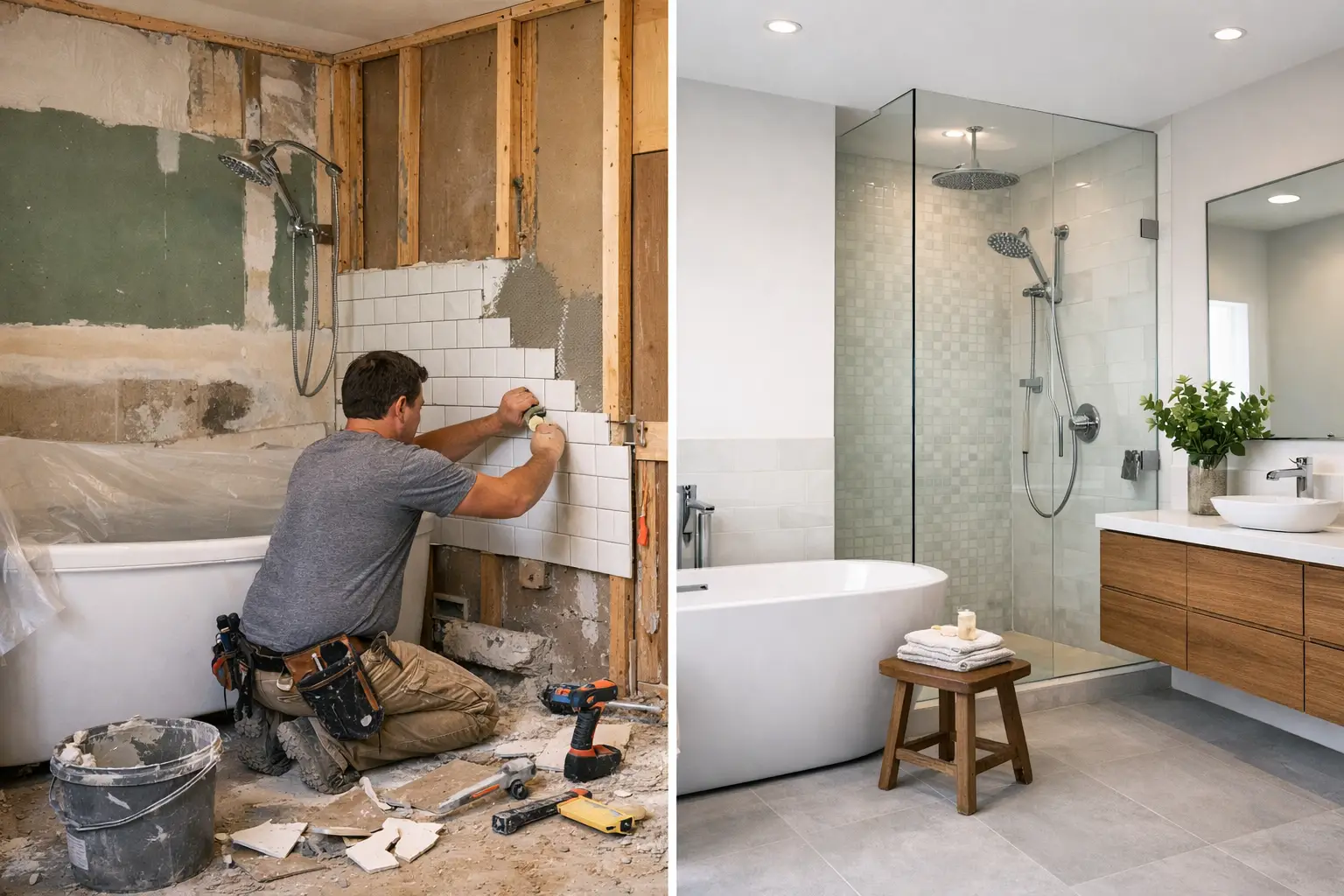
    A true renovation is more than swapping a vanity or retiling a floor. In practical terms, complete home renovations usually mean stripping the space back, assessing what is underneath, and rebuilding it to a standard that looks better and performs properly.

    In wet areas, that can include demolition, plumbing adjustments, new waterproofing, floor preparation, wall and floor tiling, shower construction, fixture installation, cabinetry and final fit-off. In kitchens and laundries, it often extends to cabinetry, benchtops, splashbacks, appliance integration and layout improvements. The exact scope depends on the age of the home, the existing condition, and how far you want to go.

    This is where a lot of people get caught. A renovation can look straightforward on the surface, but older homes often hide uneven floors, damaged substrates, ageing pipework or previous poor workmanship. Once the strip-out starts, the real condition of the room becomes clear.

    Why trade-qualified work matters more than the showroom choices

    It is easy to get pulled into the visible side of a renovation. Tile selections, brushed brass fittings and custom joinery all have their place. But the quality of the finished result depends heavily on the parts you do not see once the job is complete.

    Waterproofing is a good example. If it is not carried out correctly, the nicest bathroom in the street can turn into an expensive problem. The same applies to drainage falls, plumbing rough-in, substrate preparation and shower construction. These are not details to leave to guesswork.

    A proper renovation team should be able to manage the technical side without cutting corners. That means licensed plumbing where required, qualified carpentry for structural and framing work, compliant waterproofing, and attention to how each trade affects the next. When that coordination is missing, delays and defects tend to follow.

    For homeowners, the benefit is simple. You want one clear plan, one standard of workmanship, and a finished space that lasts. That matters even more in family homes where the bathroom or laundry gets used hard every day.

    Complete home renovations in wet areas need a different level of care

    Bathrooms, laundries and kitchens are not like repainting a bedroom or updating a hallway. These spaces deal with moisture, drainage, ventilation, movement and constant use. A renovation in these areas has to perform, not just present well on handover day.

    Bathrooms are usually the most technical room in the house for their size. There is often not much margin for error. A few millimetres in the wrong place can affect shower falls, tile lines, screen installation or vanity fitment. Good planning avoids that, but so does experience.

    Laundries can be deceptively demanding as well. Homeowners often want more storage, better bench space and a cleaner layout, but the room still needs to handle appliances, services and water exposure. Kitchens bring another layer again, with electrical, plumbing, cabinetry and usability all interacting.

    If your renovation includes more than one wet area, consistency becomes important. You want the same level of workmanship across the entire project, not one room done properly and another pieced together.

    The biggest mistakes homeowners make before the job starts

    The first mistake is choosing on price alone. Everyone wants value, but a cheap quote can leave out key parts of the job or allow too little time for proper preparation. If demolition reveals hidden issues, a weak quote often becomes a string of variations.

    The second mistake is treating specialist work like a general handyman job. Some work genuinely needs qualified trades and proper sequencing. Waterproofing, plumbing and structural changes are not areas where shortcuts pay off.

    The third is underestimating the design and layout stage. A renovation should solve problems, not just update finishes. If the shower is cramped, the vanity has poor storage, or the room feels awkward to move through now, simply replacing fixtures in the same positions may not improve much.

    This is why clear early discussions matter. You want to know what is practical, what can be improved, what the likely constraints are, and where the budget is best spent.

    How a well-run renovation should feel

    A good renovation process should feel organised, not chaotic. That does not mean there are never surprises, because existing homes can always throw up a few. It means those issues are handled properly, explained clearly and worked through without the whole project losing direction.

    Homeowners generally want the same few things. They want straight answers, realistic timeframes, tidy workmanship and confidence that the finished room will hold up. They also want to avoid managing multiple trades themselves.

    That is where end-to-end delivery makes a difference. When one team takes responsibility for strip-out, preparation, waterproofing, plumbing, tiling, carpentry and fit-off, there is less finger-pointing and less room for quality to slip between stages. It also makes communication simpler.

    In suburbs across Melbourne’s west, where many homes range from older established properties to newer builds ready for an upgrade, that practical approach matters. Different houses come with different issues, but the need for reliable execution stays the same.

    Where to spend and where to be sensible

    Not every part of a renovation needs the top-end option. Some selections should be driven by durability and maintenance rather than showroom appeal.

    Tiles are one example. Large-format tiles can look sharp and modern, but they are not always the best fit for every room, especially if the space is small or the floor has limitations that need careful preparation. Tapware and fixtures should look good, but they also need to be practical to use and easy to maintain. Custom cabinetry can add real value when storage is poor, although in some layouts a simpler solution may do the job just as well.

    Where it rarely makes sense to cut costs is in waterproofing, plumbing, substrate preparation and the trades that affect how the room performs long term. If the budget needs balancing, it is usually better to simplify selections than reduce the standard of the underlying work.

    Why local experience helps on complete home renovations

    Local experience is not just about being nearby. It helps when a renovation team understands the common housing styles, build quality and expectations in areas like Caroline Springs, Taylors Hill, Sunshine, Werribee or Point Cook.

    That local knowledge can shape practical recommendations. Some homes need smarter use of compact bathroom footprints. Others need full updates because the original finishes and waterproofing are reaching the end of their life. In family homes, durability and easy cleaning often matter just as much as appearance.

    A no-nonsense builder will tell you when an idea is worth doing and when it is likely to create more cost than benefit. That kind of honesty is valuable during planning because it keeps the renovation grounded in how the space will actually be used.

    Choosing the right team for the job

    If you are comparing renovation providers, look past the glossy photos for a moment. Ask who is actually doing the work, what trade qualifications back the project, how the wet-area components are handled, and whether the business takes responsibility for the whole process.

    You also want to know how the team approaches detail. Are they focused on speed at any cost, or on delivering a result that is both efficient and properly finished? Fast turnaround is useful, but only when the work is still done to a standard.

    That balance matters in complete home renovations. Homeowners do not want their house tied up for longer than necessary, but they also do not want to revisit the same problems in a year or two because the job was rushed.

    For that reason, many people prefer a practical, trade-led business over a sales-heavy operation. BP Building & Maintenance fits that model by focusing on qualified execution, wet-area expertise and renovations that are built to last, not just look good for photos.

    A renovation should leave you with a home that works better every day, not a list of corners you wish had been handled differently. If you are planning major changes, choose the team that treats the hidden work with the same care as the finish you see.
  • Modern Bathroom Design Trends That Last

    Modern Bathroom Design Trends That Last

    A bathroom can look sharp in a showroom and still be a poor fit for everyday use. That is the gap many homeowners notice when they start planning a renovation. The best modern bathroom design trends are not just about clean lines and new finishes. They are about making the room easier to use, easier to clean and better built for the long term.

    For most homes, that means balancing style with practical trade work. A floating vanity might look great, but it also needs the right wall support. A larger walk-in shower can open the room up, but only if the drainage, waterproofing and tile falls are done properly. Good design starts with looks, but it has to finish with workmanship.

    Modern bathroom design trends are getting more practical

    A few years ago, a lot of bathroom inspiration leaned heavily on luxury hotel styling. It looked impressive, but it did not always suit family homes in Melbourne’s western suburbs. What we are seeing now is a more grounded approach. Homeowners still want a modern finish, but they also want better storage, stronger materials and layouts that make sense for daily life.

    That shift matters because bathrooms get hard use. Steam, water, cleaning products and constant foot traffic all test the quality of every surface and fixture. Trends that last are the ones that work well under pressure, not just the ones that photograph nicely.

    One of the biggest changes is the move toward simpler spaces with less visual clutter. That does not mean a bathroom has to feel cold or plain. It means every choice has a job to do. Vanities provide storage without making the room feel bulky. Wall-hung fixtures make cleaning easier. Larger tiles reduce grout lines. Recessed niches keep shower products off the floor and out of the way.

    Layout first, finishes second

    When people think about updating a bathroom, they often start with tile colours, tapware or mirror styles. In practice, the layout usually has the biggest impact. A modern bathroom that feels spacious and easy to move through will generally perform better than one with expensive finishes but awkward planning.

    Walk-in showers are a clear example. They remain one of the strongest current trends because they suit both style and function. Without a bulky shower base or framed enclosure, the room feels more open. They are also easier to access, which makes sense for growing families and homeowners planning to stay in the property long term.

    That said, walk-in showers are not a one-size-fits-all answer. In a compact bathroom, splash control becomes more important. Tile selection, floor grading, drainage placement and screen size all need to be thought through early. If those details are rushed, the bathroom may look modern but become frustrating to use.

    Floating vanities are another layout-driven trend that continues to hold up. They create a cleaner sightline across the floor and can make smaller bathrooms appear larger. They also allow room for under-vanity lighting or easier mopping. The trade-off is that storage needs to be designed properly. If the vanity is too shallow or too minimal, the room can end up looking tidy while lacking enough usable cupboard space.

    Natural finishes with a cleaner edge

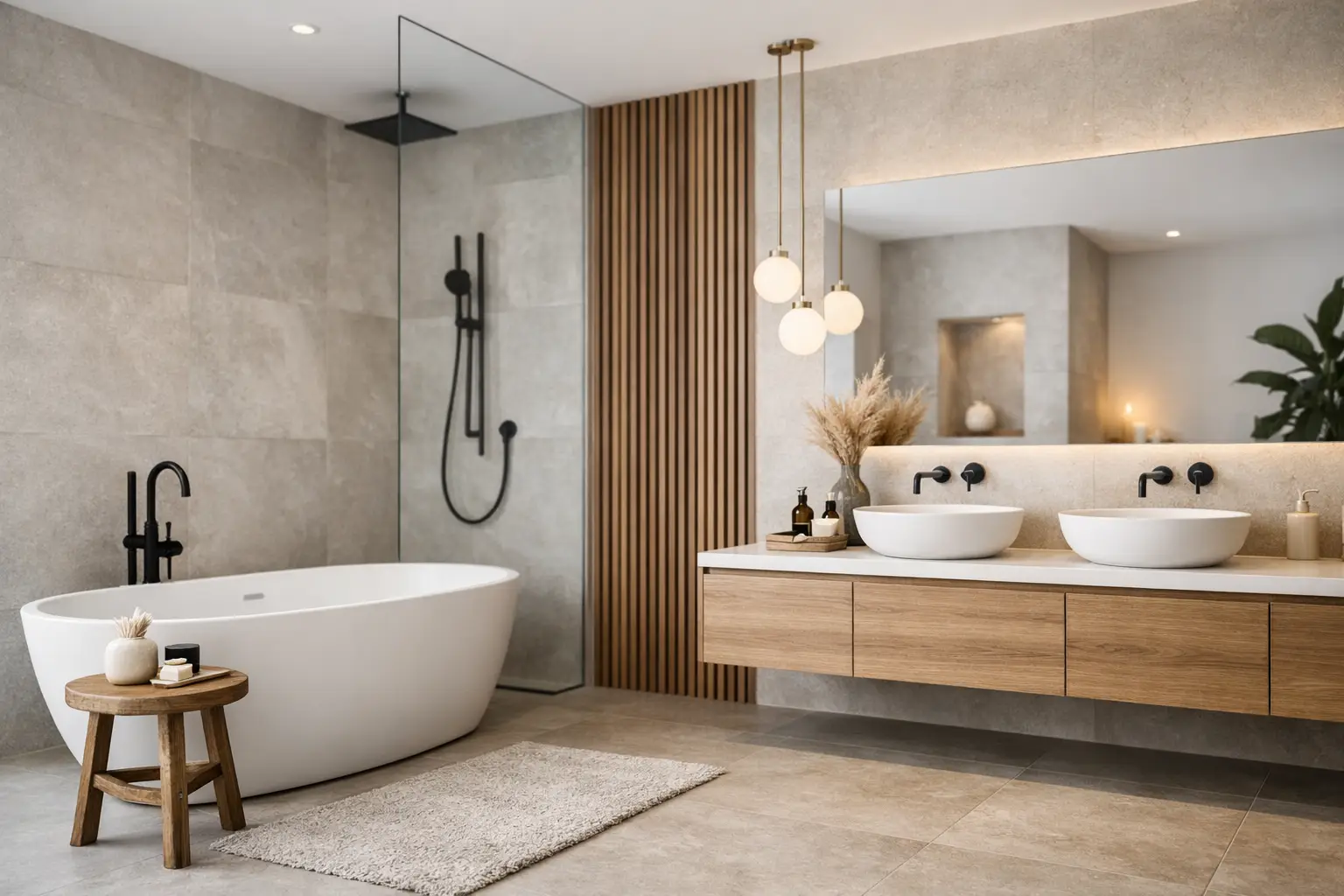
    Modern bathrooms have moved away from overly glossy, high-contrast styling. The stronger trend now is warmer and more restrained. Timber-look vanities, stone-inspired tiles, brushed metal tapware and softer neutral tones are being used to make bathrooms feel calmer and less sterile.

    This does not mean everything has to be beige. It means the palette is more considered. Off-whites, warm greys, muted greens and earthy tones are working well because they add character without dating too quickly. For homeowners who want a bathroom that still looks current in five or ten years, that is usually a smarter direction than chasing bold novelty finishes.

    Texture is also doing more of the heavy lifting than colour. Matte tiles, fluted vanity panels and subtle feature walls can create interest without making the room feel busy. Used well, these details give a bathroom a modern feel while still keeping the overall finish clean and easy to live with.

    Lighting is now part of the design, not an afterthought

    One of the more useful modern bathroom design trends is the way lighting is being treated as part of the build rather than a final accessory. A single ceiling light in the middle of the room is rarely enough, especially around mirrors and vanity areas.

    Layered lighting gives better results. Mirror lighting helps with daily tasks like shaving or makeup. Softer ambient lighting can make the room feel more comfortable at night. Feature lighting under a floating vanity or inside a niche can add a high-end finish without overdoing it.

    The key is keeping it practical. Bathrooms need proper moisture-rated fittings in the right zones, and the lighting plan should match how the room will actually be used. A stylish fitting means very little if it throws poor light across the vanity or creates shadows where you need clarity.

    Storage that disappears into the room

    A modern bathroom should not feel crowded by toiletries, spare towels and cleaning products. That is why integrated storage has become one of the more valuable design shifts. The best storage is often the storage you barely notice.

    Shaving cabinets remain popular because they combine mirror space and concealed storage in one element. Custom vanities are also gaining ground because they can be sized to the room rather than forced to fit. In many renovations, that makes better use of wall space and helps avoid dead corners.

    Recessed shower niches are now close to standard in many quality builds, and for good reason. They keep products contained, reduce clutter and look far neater than wire baskets or plastic shelves. Like most good bathroom features, though, they only work when the waterproofing and tiling are done correctly around them.

    Bigger tiles, finer detail

    Tile trends have also shifted toward larger formats and cleaner lines. Larger wall and floor tiles can help a bathroom feel more open, and they cut down the amount of grout that needs cleaning over time. That is a practical win as much as a visual one.

    Rectified tiles with tighter joints are often used to create that sharper modern finish, but they demand accurate prep work. If the substrate is not level or the setting out is poor, mistakes show quickly. This is where quality installation matters more than the tile itself.

    There is also growing interest in feature tiling that is more controlled than flashy. Instead of covering every wall with a statement tile, many homeowners are choosing one focal area, such as the shower wall or vanity splashback. That approach often gives a better result because it adds personality without overwhelming the room.

    Black fixtures are no longer the only modern option

    For a while, matte black tapware and fittings were the default modern choice. They still have their place, but they are no longer the only look people want. Brushed nickel, gunmetal, brushed brass and chrome are all being used depending on the style of the home and the level of upkeep the owner is comfortable with.

    This is where trend and practicality meet again. Some finishes show water spots more than others. Some suit warm-toned bathrooms better than cool-toned ones. A finish that looks right in a display may not be the easiest one to live with in a busy household.

    Consistency usually matters more than chasing a particular finish. When the tapware, shower fittings, handles, mirrors and lighting all work together, the bathroom feels considered. When too many finishes compete, even an expensive renovation can feel disjointed.

    Modern design still depends on the hidden work

    The visible parts of a bathroom get most of the attention, but the long-term result depends on what sits behind them. Waterproofing, plumbing rough-in, drainage, ventilation and substrate preparation are not design trends, but they are what allow a modern bathroom to stay in good condition.

    That is especially important in full renovations where old bathrooms may already have movement, moisture damage or outdated plumbing. A fresh finish over poor preparation is a short-term fix. A proper renovation deals with the cause, not just the appearance.

    For homeowners planning work in Caroline Springs and surrounding western suburbs, that usually means choosing a renovation team that can handle both the design intent and the trade-critical parts of the job. BP Building & Maintenance sees this often – clients want a bathroom that looks current, but they also want confidence that the waterproofing, plumbing and fit-off have been done properly the first time.

    What is worth following and what is easy to overdo

    Not every trend deserves to be copied straight into a home. Some ideas have real staying power because they improve function, while others can date quickly or create more maintenance than expected. The safest modern choices tend to be the ones that improve layout, light, storage and durability.

    If you are planning a bathroom renovation, it is worth asking a simple question before locking anything in: will this still work when the novelty wears off? A well-built walk-in shower, practical vanity storage, good lighting and quality tiling usually pass that test. Overly complicated shapes, trendy colours used everywhere or fixtures chosen only for appearance often do not.

    A modern bathroom should feel current, but it should also feel easy to live with. That is usually the difference between a renovation that still looks good in photos and one that still works well years later.

  • Bathroom Renovation Versus Remodel

    Bathroom Renovation Versus Remodel

    If your bathroom feels dated, cramped or tired, the first question is usually not what tiles to pick. It is whether you need a bathroom renovation versus remodel. Those two terms get used as if they mean the same thing, but on a real project they can point to very different levels of work, cost and disruption.

    For homeowners, that difference matters. A bathroom that only needs new finishes and fixtures is a different job from one that needs walls moved, plumbing altered or a complete layout rethink. Getting clear on that early helps you budget properly, avoid shortcuts and choose the right trades from the start.

    Bathroom renovation versus remodel: what is the difference?

    In practical terms, a bathroom renovation usually means improving what is already there without completely changing the structure or layout. You might replace old tiles, update the vanity, install a new shower screen, swap out fittings or refresh lighting and finishes. The room gets brought up to a better standard, but the bones of the bathroom largely stay in place.

    A remodel goes further. It changes how the bathroom works. That can mean moving plumbing points, reconfiguring the shower, shifting the toilet, building a walk-in shower, altering walls or changing the whole layout to use the space better. A remodel is less about surface upgrades and more about redesigning the room.

    The tricky part is that many bathroom projects include both. You might start with a simple update in mind, then discover water damage behind the walls, poor waterproofing or a layout that wastes half the room. At that point, what looked like a renovation can quickly become a remodel.

    When a renovation is the smarter choice

    A renovation makes sense when the bathroom layout already works and the main issue is age, wear or appearance. If the shower is in the right place, the vanity size suits the room and the plumbing locations are sensible, there is often no reason to start moving everything around.

    This approach can be a strong option if your goal is to modernise the bathroom, replace worn materials or lift the value of your home without adding unnecessary structural work. New tiling, updated tapware, a better vanity and clean fit-off details can completely change how the bathroom feels.

    It can also be the right call when the budget needs to stay controlled. Keeping key services in roughly the same position generally avoids some of the extra labour involved in a full redesign. That does not mean it is a small job. Waterproofing, plumbing, tiling and fixture installation still need to be done properly. It simply means you are improving the room without rebuilding its entire layout.

    For many established homes in Melbourne’s western suburbs, this is enough. The bathroom may be old, but the footprint is workable. In that case, a quality renovation can deliver a cleaner, sharper and more durable result without overcomplicating the job.

    When a remodel is worth it

    A remodel becomes the better option when the bathroom is not just outdated, but poorly planned. Maybe the shower is too tight, the vanity blocks movement, there is no storage, or the room feels awkward for a family to use. Sometimes the issue is accessibility. Sometimes it is wasted space. Sometimes it is an older design that simply does not suit how people live now.

    This is where layout changes can make a big difference. Moving to a walk-in shower, opening up floor space, improving storage or repositioning fixtures can turn a frustrating bathroom into one that actually functions well day to day.

    A remodel is also common when there are deeper construction issues. Failed waterproofing, recurring moisture problems, water damage or poor previous workmanship often require more than a cosmetic update. If the room needs to be stripped back properly, it can make sense to redesign it at the same time rather than spend money reinstalling a layout that was never right to begin with.

    Yes, remodels usually cost more and take more planning. But they can offer better long-term value when the existing bathroom has major functional problems.

    Cost, time and disruption

    This is where bathroom renovation versus remodel becomes a practical decision, not just a wording issue.

    A renovation is often more straightforward because the main services stay close to where they are. That can reduce demolition, simplify plumbing and help keep the timeline tighter. There is still a lot happening behind the scenes, especially when waterproofing and tiling are involved, but the scope is usually easier to contain.

    A remodel can increase costs because layout changes affect multiple trades at once. If you move a shower, you may also need new plumbing runs, altered drainage falls, adjusted waterproofing details, changed tiling set-out and different fixture placements. Each change has a flow-on effect.

    There is also the question of disruption. Any bathroom project is inconvenient while the room is out of action. A remodel can stretch that period further, particularly if unexpected issues are uncovered during strip-out. Homes with older bathrooms often reveal hidden damage once tiles and sheeting are removed.

    That does not mean a renovation is always the cheaper option in every case. If a bathroom looks simple but has failed waterproofing, rotted substrate or non-compliant past work, even a so-called refresh can require a full strip-out. That is why proper quoting and site assessment matter. The cheapest plan on paper can become the expensive one if the real condition of the room has not been understood from the start.

    The hidden factor: waterproofing and trade quality

    Homeowners often focus on finishes first. Tiles, tapware and vanity style are the visible parts, so they get attention early. But the lasting quality of a bathroom depends far more on what sits behind those finishes.

    Whether you choose a renovation or a remodel, waterproofing integrity is non-negotiable. A bathroom can look brand new and still fail if the substrate preparation is poor, the detailing is rushed or the waterproofing is not done to standard. The same goes for plumbing and fit-off work. A clean-looking finish means little if leaks appear later or fixtures are not installed correctly.

    This is where experience matters. A bathroom is not one trade’s job. It is a coordinated sequence of demolition, preparation, plumbing, waterproofing, carpentry, tiling and final installation. If those stages are not handled properly, the project can look finished while problems are already built in.

    For that reason, many homeowners are better served by choosing a qualified bathroom specialist rather than trying to piece the job together through separate contractors. A well-managed project tends to run cleaner, faster and with fewer headaches.

    How to decide what your bathroom actually needs

    The best way to decide is to look at the bathroom in two parts: function and condition.

    If the condition is poor but the function is fine, a renovation may be enough. If the layout still suits your household and the problems are mainly worn finishes, ageing fixtures or an outdated look, improving the existing room often makes sense.

    If the function is poor, a remodel is worth considering. That includes bathrooms that feel too tight, have awkward fixture placement, lack storage or simply do not work for your family anymore. It also applies when you are planning for easier access or want to future-proof the space.

    Then there is the middle ground. Some bathrooms need a renovation with a few smart structural changes rather than a full redesign. For example, removing a hob shower base to create a walk-in shower can modernise the room and improve usability without completely reinventing the layout. These hybrid projects are common because they balance practical improvement with sensible spending.

    A detailed site inspection usually gives the clearest answer. Once the existing bathroom is assessed properly, it becomes much easier to separate cosmetic wants from structural needs.

    Why language matters less than scope

    Plenty of people use renovation and remodel interchangeably, and that is fine. What matters more is being clear about the scope of work.

    If you ask for a renovation but expect walls to move, plumbing to shift and the whole room to be reworked, there is room for confusion from day one. The better approach is to explain what you want the bathroom to do differently, what problems need fixing and how far you are willing to go with the project.

    That gives your contractor something real to price and plan around. It also leads to better advice. A dependable tradesperson will tell you when a simple renovation is enough and when a remodel is the smarter long-term decision. Sometimes the honest answer is to keep it straightforward. Other times, it is to stop patching an old bathroom and rebuild it properly.

    If you are weighing up a bathroom renovation versus remodel, start with the result you want, not the label. A bathroom should do more than look good on handover day. It should work properly, stay watertight and hold up for years after the trades have packed up and left.

  • Laundry Renovations Caroline Springs Homes Need

    Laundry Renovations Caroline Springs Homes Need

    A cramped laundry shows its age fast. Doors bang into machines, storage disappears into awkward corners, and one small leak can turn a practical room into an ongoing headache. That is why laundry renovations Caroline Springs homeowners invest in are rarely about looks alone. They are about making a hard-working space easier to use, easier to clean, and far more reliable over the long term.

    A good laundry renovation should solve real problems. It should give you enough bench space to sort washing, enough storage to keep products out of sight, and enough durability to handle moisture, heat and daily wear. If the room also connects to a bathroom, hallway or garage entry, the layout matters even more. The best result is not the fanciest finish. It is a room that works properly every day.

    What makes a laundry renovation worth doing?

    Most laundries are built around basic function, but many older homes end up with layouts that no longer suit the people living in them. Families need more storage. Busy households want better appliance placement. Property owners want materials that can handle water exposure without swelling, cracking or staining.

    That is where the value of a proper renovation comes in. Instead of patching around an old layout, the room can be rebuilt to suit how you actually use it. That may mean moving plumbing points, replacing damaged wall linings, installing cabinetry that uses vertical space better, or improving the floor and wall finishes so they are easier to maintain.

    There is also a practical property value angle. A well-finished laundry supports the overall presentation of the home, especially when buyers are comparing storage, upkeep and the condition of wet areas. It may not be the room that sells the house on its own, but it definitely affects how the whole place feels.

    Laundry renovations Caroline Springs owners usually ask for

    In local homes, the most common requests are straightforward. People want more usable storage, cleaner layouts and less wasted space. They also want the room to feel less like an afterthought.

    That often starts with cabinetry. Overhead cupboards, tall broom storage, base cabinets and integrated hampers can make a big difference, especially in compact laundries. A laminate cabinet finish is popular because it is practical and cost-effective, but the right product selection matters. In a wet area, cheap materials can fail early.

    Benchtops are another common upgrade. Even a small stretch of bench above front-load appliances can improve the room immediately. It gives you space for folding, sorting or stacking baskets without turning the laundry into a mess.

    Sink size also matters more than most people expect. Some households want a deep tub for soaking, pet cleaning or washing muddy gear. Others prefer a tighter layout where every millimetre counts. There is no one-size-fits-all answer. It depends on how the room is used and how much space you have to work with.

    Layout comes first, not finishes

    A lot of renovation mistakes happen when people choose tiles, tapware and cabinet colours before sorting out the room plan. In a laundry, layout should always come first.

    Machine placement is the obvious starting point. Side-by-side appliances work well if you have the width, particularly when they can sit under a bench. Stacked appliances can free up space in narrow rooms, but that setup is not right for everyone. It can be less convenient for households doing multiple loads each day, and access height matters.

    Door swings and walkways need proper thought as well. A new cabinet means nothing if it blocks access to the tub or forces you to shuffle sideways past the washing machine. If the laundry is also an entry point from outside, traffic flow becomes part of the design. The room has to cope with school bags, shoes, shopping, wet clothes and people coming through at the same time.

    Lighting is often overlooked, yet it changes how usable the space feels. A laundry does not need fancy lighting, but it does need enough clear, practical light over the bench, sink and appliances. Dark corners make a small room feel even tighter.

    The trade work behind a durable laundry

    A laundry renovation is not just cabinet installation with a new splashback. The real quality is in the work you do not want to worry about later.

    Plumbing has to be planned properly so appliance connections, drainage and water supply points are correctly positioned and compliant. If the room layout changes, that work needs to be carried out by a qualified tradesperson. Poor drainage or rushed pipework can lead to leaks inside walls, cabinet damage and expensive repair work down the track.

    Waterproofing is another area homeowners should take seriously. Not every laundry requires the same treatment, but any area exposed to regular moisture needs proper preparation and product selection. If the laundry forms part of a wet-area zone or adjoins a bathroom, the standard of waterproofing becomes even more critical.

    Then there is the carpentry and fit-off side. Cabinets need to be level, secure and built for the space, not forced into it. Fixtures should be installed cleanly, with a finish that stands up to repeated use. It is detailed work, and small shortcuts become obvious fast in a compact room where every line is visible.

    That is why many homeowners prefer one team to manage the renovation from demolition through to completion. When qualified trade work is coordinated properly, the process is cleaner and the result is more consistent.

    Materials that suit a hard-working room

    A laundry takes more punishment than people give it credit for. Water splashes, detergent spills, heat from appliances and constant opening and closing all test the finishes.

    For flooring, tiles remain a strong option because they are durable, moisture-resistant and easy to clean. The right tile choice also depends on the rest of the house. If the laundry connects directly to living areas, garage access or an adjacent bathroom, the floor finish should feel consistent without creating a slipping hazard.

    Wall finishes depend on the design. Full-height tiling is not always necessary, but tiled splashback zones around the tub and bench can make maintenance simpler. Painted walls can work well too, provided the substrate is sound and the room has suitable ventilation.

    Cabinetry needs the same practical approach. A sleek finish can look great, but if the board quality is poor or edging is weak, moisture will find it. Better materials cost more upfront, but they usually save money by lasting longer.

    Timing, budget and what can affect both

    Most people want a quick turnaround, and that is fair enough. A laundry is one of those rooms you notice immediately when it is out of action. But timing depends on scope.

    A basic update with existing plumbing locations is generally more straightforward than a full reconfiguration. Once you start moving services, changing wall linings, repairing water damage or upgrading flooring throughout the space, the job becomes more involved. None of that is a reason to avoid doing it properly. It just needs to be allowed for from the start.

    Budget works the same way. The cheapest quote is not always the cheapest renovation once defects, delays or poor finishes are factored in. A realistic quote should reflect demolition, preparation, trade work, waterproofing where required, cabinetry, fit-off and finishing. If a price seems far below the rest, it is worth asking what has been left out.

    For homeowners in Caroline Springs, the best approach is usually to focus on long-term value rather than headline price. A laundry does not need overcapitalising, but it does need to be built properly.

    Choosing the right team for laundry renovations Caroline Springs

    When you are comparing renovation providers, trade capability matters more than sales talk. Wet-area work is technical. It involves plumbing, water management, construction detail and finish quality all at once.

    A team with qualified trade knowledge can spot problems early, whether that is poor existing drainage, damaged substrates, or a layout that looks fine on paper but will not function well in practice. That kind of experience helps avoid rework and protects the final result.

    It also helps to choose a business that understands local homes and how people use them. In many western suburbs properties, laundries are compact and tied into the daily traffic of the house. They need to be practical first. Good workmanship, clear communication and a tidy finish are not extras. They are the standard you should expect.

    If you are planning a renovation, start with what is not working now. Lack of storage, poor layout, water damage, dated finishes or appliances that never quite fit properly are all signs the room needs more than a cosmetic patch-up. A well-built laundry should make everyday jobs easier and remove the kind of small frustrations that add up over time.

    The right renovation does not need to be flashy. It just needs to be smart, durable and built by people who know wet-area work inside out.

  • Bathroom Renovations Point Cook Homeowners Trust

    Bathroom Renovations Point Cook Homeowners Trust

    If your bathroom still works but feels tired, cramped or risky around wet areas, putting it off usually makes the job bigger later. Bathroom renovations Point Cook homeowners get the best value from are not just about new tiles and tapware – they are about fixing layout problems, getting waterproofing right and making sure every trade is done properly from the start.

    A bathroom is one of the hardest-working rooms in the house. It gets daily moisture, constant use and very little margin for poor workmanship. When a renovation is done well, it improves comfort, storage, cleaning and resale appeal. When it is rushed or handled by the wrong mix of trades, the problems often stay hidden until water damage, mould or movement starts showing up.

    What matters most in bathroom renovations Point Cook

    The finish gets most of the attention, but the real quality of a bathroom renovation sits behind the tiles. Waterproofing, plumbing set-out, substrate preparation and fall to waste all matter more than the showroom look if you want the room to last.

    That is why homeowners should be careful about comparing quotes on price alone. One quote may include proper demolition, rectification of wet area damage, certified waterproofing and a full fit-off by qualified trades. Another may look cheaper because it leaves grey areas around prep work, drainage changes or compliance-critical steps. On paper they can seem similar. On site, they are not.

    A good renovation also needs practical design choices. That might mean a walk-in shower instead of a bulky frame, a custom vanity that actually suits the room, or wall-hung fixtures that make cleaning easier. In smaller bathrooms, a few smart changes in layout can make a bigger difference than expensive finishes.

    The difference between cosmetic upgrades and a proper renovation

    Some bathrooms only need a surface refresh. Others need a full strip-out because the room has reached the point where patching is false economy. The right scope depends on the age of the bathroom, visible condition and what you want the space to do.

    If your tiles are loose, grout is failing, the shower leaks, the vanity is swollen or the floor feels uneven, cosmetic work is rarely enough. Replacing a screen and regrouting a few joints might buy time, but it will not solve failed waterproofing underneath. In those cases, a complete renovation is the more sensible option.

    On the other hand, if the structure is sound and the layout works, the project can focus on improving function and appearance without overcomplicating it. That balance matters. Not every bathroom needs to be oversized, high-end or filled with trends. It needs to suit the way your household actually uses it.

    What a well-run bathroom project should include

    A proper bathroom renovation is a sequence of trade-critical steps, not a collection of products. That means strip-out, preparation, plumbing, waterproofing, tiling and fixture installation all need to line up cleanly. If one stage is compromised, the rest of the work is affected.

    Demolition should be controlled and thorough, with the room taken back far enough to check what is happening behind walls and under floors. This is often where older bathrooms reveal the real story – water damage, poor previous repairs or framing issues that were covered over.

    From there, plumbing and carpentry need to be set correctly before any finish goes on. If wastes are in the wrong spot or walls are not true, the final result will always feel second-rate. Tiling only looks sharp when the preparation underneath is accurate.

    Waterproofing deserves special attention because it is one of the biggest failure points in bathrooms. It is not a throwaway step and it should never be treated like one. A certified waterproofer and a methodical process make a real difference to how the room performs over time.

    Once those technical stages are right, the fit-off becomes straightforward. Vanities, toilets, tapware, shower screens and accessories should be installed with the same level of care as the hidden work. That is what gives the room a clean finish rather than a rushed handover.

    Choosing finishes that will still work in five years

    A lot of bathroom regret comes from chasing a look that dates quickly or choosing fittings that are harder to live with than expected. The better approach is to keep the core selections practical and durable, then add style through texture, shape and colour in measured ways.

    Large-format tiles can reduce grout lines and help a room feel more open, but they need skilled installation and the right fall in wet zones. Matte finishes can look great, though some surfaces show soap residue more than people expect. Wall-hung vanities free up floor space, but only if the wall structure suits the installation.

    Storage is another area where practical thinking wins. Open shelving can look tidy in photos, yet many households are better off with drawers and closed cabinetry that keep the room easier to manage day to day. The same goes for niches, mirror cabinets and towel placement. Good design should work on a Monday morning, not just in a finished photo.

    Why local trade coordination matters

    Bathroom renovations move faster and more cleanly when the trades are coordinated under one clear scope of work. Homeowners generally do not want to chase a plumber, then a tiler, then a waterproofer, hoping each one turns up at the right stage. That is where end-to-end project delivery matters.

    For Point Cook homes, especially in established properties or family homes due for an update, having qualified trades manage the room from demolition through to fit-off reduces delays and confusion. It also makes it easier to identify issues early rather than passing responsibility around once the job is underway.

    This is where a business with a registered plumber, qualified carpenter and certified waterproofer stands apart. The technical side of the job is not an extra – it is the foundation of the result. BP Building & Maintenance takes that practical approach because bathroom work leaves no room for guesswork.

    How to judge a quote properly

    A bathroom quote should tell you more than the bottom-line number. It should make clear what is included, what allowances apply and where the risks sit if hidden issues are found after demolition.

    Ask whether demolition and rubbish removal are included. Check if waterproofing is part of the scope and who is carrying it out. Confirm whether plumbing alterations, tiling, shower construction, vanity installation and final fit-off are all covered. If custom cabinetry is part of the plan, make sure that is specified rather than assumed.

    It is also worth asking how the team handles site cleanliness, scheduling and communication. Fast turnaround is valuable, but only when it comes with proper sequencing and attention to detail. Speed without control usually ends up costing more.

    A realistic quote from qualified trades may not be the cheapest option, but it is often the one that avoids rework and ongoing issues. In bathrooms, cheap work has a habit of turning expensive later.

    Common renovation goals and what usually works best

    Most homeowners are trying to solve a few practical issues at once. They want a bathroom that looks current, feels easier to use and stands up to everyday wear. The exact solution depends on the size of the room, the household and the condition of the existing space.

    For family bathrooms, layout and storage usually matter more than premium finishes. A better vanity, a tougher tile selection and an easier-to-clean shower area often deliver the best return. In ensuites, the focus is more often on comfort, efficient use of space and a cleaner, more modern feel.

    If accessibility is becoming a concern, a step-free shower, wider entry and carefully placed fixtures can improve safety without making the room feel clinical. If resale is part of the thinking, neutral finishes and a timeless layout are usually a safer choice than trend-driven selections.

    The key is to match the renovation to the property and the way you live. Bigger spending does not automatically mean a better outcome. Smart planning does.

    A bathroom should not be the room you keep meaning to deal with next year. If it is showing signs of age, poor function or water risk, getting proper advice early can save a lot of hassle later. The best result is not a flashy before-and-after – it is a bathroom built properly, finished cleanly and ready to handle daily use for years.

  • Bathroom Renovations Burnside Homeowners Trust

    Bathroom Renovations Burnside Homeowners Trust

    A bathroom can look fine on the surface and still be heading for trouble. Loose tiles, poor drainage, swelling in the vanity, mould around the shower and old waterproofing are all signs the room is no longer doing its job properly. That is why bathroom renovations Burnside homeowners plan are rarely just about appearance. They are usually about fixing problems properly, improving day-to-day use and making sure the work lasts.

    In homes across established suburbs, bathrooms often show their age in the same ways. The layout feels tight, storage is poor, the shower is awkward to use and the finishes are hard to keep clean. In some cases, previous work may have been done cheaply, with shortcuts hidden behind tiles and silicone. A proper renovation deals with the room as a whole, not just the parts you can see.

    What matters most in bathroom renovations Burnside homes need

    A good bathroom renovation starts with the structure and the wet-area work, not the tapware showroom. If the base is wrong, the best-looking fixtures will not save it. Demolition needs to be clean and controlled. Plumbing needs to suit the new layout. Waterproofing needs to be completed correctly and in line with standards. Tiling needs to be level, properly graded and finished with care.

    That sounds straightforward, but this is where many bathroom projects go off track. Homeowners are often quoted a nice price, then find out halfway through that extra plumbing is needed, the floor is out, the walls are not square or the shower area has hidden water damage. These issues are common in older bathrooms. The difference is whether your renovation team expects them, explains them clearly and fixes them the right way.

    For most households, reliability matters more than chasing trends. A bathroom has to handle steam, water, cleaning products and daily use without falling apart. That means choosing the right substrate, getting falls correct, using quality fittings and making sure every trade on site understands how their work affects the next stage.

    The balance between style and function

    Most people want a bathroom that feels fresh and modern, but function should lead the design. A wall-hung vanity might make the room feel larger and easier to clean, but only if the plumbing and wall preparation are done properly. A frameless shower screen can open up the space, but it needs the right drainage setup and careful installation. Large-format tiles can look sharp and reduce grout lines, but they are less forgiving if the surfaces underneath are not prepared properly.

    This is where experience matters. A renovation should suit the way the bathroom is actually used. Families may need more hard-wearing surfaces, better storage and a layout that keeps traffic moving in the morning rush. Older homeowners might prioritise a walk-in shower, safer access and fixtures that are easy to operate. Investment properties often need finishes that are durable, simple to maintain and unlikely to date quickly.

    There is no one-size-fits-all layout. What works in one Burnside home may not suit another, especially if the existing room has limited space or an unusual shape. The best results come from practical planning, not overdesign.

    Common upgrades that make a real difference

    Some changes improve a bathroom immediately without making the design overcomplicated. Replacing a boxed-in shower with a walk-in shower can make a small room feel more open and easier to use. A custom vanity can solve storage problems far better than an off-the-shelf unit squeezed into place. Updating the wall and floor tiling changes the feel of the entire room, but it also gives you the chance to correct drainage and fix substrate issues underneath.

    Fixture selection matters too, but not in the way people sometimes think. It is not only about choosing what looks good. You want fittings that are reliable, easy to clean and suited to the pressure and plumbing setup in the home. The same goes for toilets, basins and tapware. Better products generally cost more upfront, but they often save money and frustration over time.

    Lighting and ventilation are often overlooked, yet they have a major effect on how the room performs. A bathroom that is poorly ventilated will struggle with moisture, no matter how new it looks. Good lighting improves the way tiles, mirrors and finishes present, but more importantly, it makes the room easier and safer to use every day.

    Why waterproofing and qualified trades are non-negotiable

    This is the part of the job that should never be treated as optional or rushed. Waterproofing is one of the most critical stages in any bathroom renovation, and if it fails, the damage can spread beyond the bathroom itself. Rot, mould, stained ceilings and structural issues are expensive problems that often start from poor prep or poor application.

    That is why homeowners should pay close attention to who is doing the work. Bathrooms are not just cosmetic projects. They involve plumbing, carpentry, waterproofing, tiling and fit-off, all of which need to be coordinated properly. If one stage is done badly, the next trade inherits the problem and the finished room suffers for it.

    Qualified, trade-backed work gives homeowners more confidence because the technical side is being handled correctly, not guessed. That includes strip-out, plumbing changes, substrate preparation, certified waterproofing, tiling and final installation. It also means the job is managed in the right order, with less confusion and fewer delays.

    How to judge a renovation quote properly

    A cheap quote can be expensive if key items are missing. Homeowners comparing bathroom renovation quotes should look beyond the total number and ask what is actually included. Does the quote allow for demolition and rubbish removal? Is waterproofing specified clearly? Are plumbing and fit-off included? What about wall and floor tiling, fixtures, shower screen installation and final finishes?

    Transparency matters. A solid quote should give you a realistic picture of the work involved, not just a low entry point that grows once the job starts. Renovations often uncover hidden issues, especially in older bathrooms, but there is a big difference between genuine unforeseen conditions and a quote that was vague from the start.

    Turnaround is another point worth checking. Fast completion is valuable, but not if it means steps are skipped or rushed. A dependable renovation team will give you a timeframe that reflects the actual work required. Speed is useful. Quality is what stays behind.

    Choosing the right team for bathroom renovations Burnside

    When homeowners are choosing a contractor, trust usually comes down to a few key things. They want to know who is doing the work, whether the trades are qualified, whether the finish will last and whether the process will be straightforward. That is especially true in bathrooms, where there is little room for error.

    A one-stop renovation team can make the process easier because the work is coordinated under one roof rather than split across multiple contractors. That helps with timing, communication and accountability. If the same team handles demolition, waterproofing, plumbing, tiling, shower construction, vanity installation and fit-off, there is less chance of miscommunication between trades.

    For local homeowners, it also helps to work with a business that understands the housing stock and renovation needs in Melbourne’s western suburbs. BP Building & Maintenance focuses on practical bathroom renovations with licenced trade support, strong waterproofing standards and clean, durable finishes. That kind of approach suits homeowners who want the job done properly the first time.

    A bathroom renovation should solve problems, not create new ones

    The best renovation is not always the flashiest one. It is the one that feels better to use every day, stands up to moisture and wear, and gives you confidence that the work behind the tiles is just as solid as the finish on top. That is what makes a bathroom renovation worthwhile.

    If your current bathroom has reached the point where repairs are only delaying the inevitable, it is worth looking at the full picture. A well-planned renovation can improve function, fix hidden issues and lift the value of the home at the same time. More importantly, it gives you a bathroom that works the way it should every single day.

  • Bathroom Renovations Sunshine Homeowners Trust

    Bathroom Renovations Sunshine Homeowners Trust

    A bathroom can look tidy on the surface and still be hiding the problems that matter – failed waterproofing, poor drainage, tired plumbing and layouts that never really worked. That is why bathroom renovations Sunshine homeowners plan should start with more than tiles and tapware. The real value is in getting the structure, waterproofing and fit-off done properly from the start.

    In suburbs with a mix of older homes, investment properties and family homes being updated over time, bathrooms often need more than a cosmetic refresh. A new vanity and fresh grout will not fix a shower base that is leaking into adjacent walls, or a cramped room that wastes usable space. If you are renovating, it pays to treat the job as a full wet-area upgrade rather than a patch-up.

    What makes bathroom renovations in Sunshine worth doing properly

    A bathroom is one of the hardest-working rooms in the house. It deals with water, steam, cleaning chemicals, daily wear and constant temperature changes. When the work underneath is poor, the damage is rarely obvious straight away. By the time swelling skirting boards, mould smells or loose tiles show up, the repair bill is usually bigger than expected.

    That is why proper bathroom renovations in Sunshine need qualified trade work at every stage. Demolition has to be controlled and clean. Plumbing rough-in needs to suit the new layout. Waterproofing must be applied correctly and to code. Tiling needs the right falls so water runs to the waste instead of pooling in corners. The finishing details matter too, but they only hold up when the construction behind them is sound.

    For most homeowners, the goal is simple. You want a bathroom that looks better, works better and does not create ongoing problems. That means balancing design with durability.

    Cosmetic upgrades vs full renovation work

    Not every bathroom needs to be stripped back completely, but many do. The trick is being honest about the condition of the room.

    If the layout works, the plumbing is in good order and there are no signs of water damage, a lighter renovation may be enough. That might involve replacing fixtures, updating tiles, installing a new vanity and improving storage. It can freshen the room without major structural changes.

    But if the bathroom has cracked grout, movement in the floor, dated plumbing, poor ventilation or a shower that was never waterproofed properly, a full renovation is usually the smarter call. Spending less upfront on a surface-level update can cost more later if the room has to be pulled apart again.

    This is where experience matters. A tradesperson who works in bathrooms every week can usually tell quickly whether a room is suitable for a straightforward refresh or whether it needs a proper rebuild.

    The renovation details that matter most

    Homeowners often focus first on finishes – tile choice, tapware colour, shaving cabinets and vanity style. Those choices do matter, but the long-term performance of the room comes down to the technical side.

    Waterproofing is not the place to cut corners

    If there is one part of the job that should never be treated as optional or rushed, it is waterproofing. Bathrooms fail from hidden moisture far more often than from worn-out fixtures. Certified waterproofing helps protect not just the bathroom itself but also adjoining rooms, framing and flooring.

    A well-finished bathroom starts with the confidence that water is being contained where it should be. Without that, even the best-looking renovation can become a problem job.

    Plumbing layout affects how the room feels

    Good bathroom design is not only visual. The position of the shower, toilet, vanity and wastes changes how the room flows day to day. In smaller bathrooms, even shifting one fixture can make the space feel more open and practical.

    That said, moving plumbing does increase the scope of works. Sometimes it is worth it for a better result. Other times, keeping key services in roughly the same position is the better balance between cost and improvement. It depends on the room, the slab or subfloor, and what you want from the finished space.

    Tiling needs accuracy, not just style

    A clean tile finish is one of the first things people notice, but good tiling is about more than straight lines. The falls need to be right, the substrate needs to be prepared properly and the detailing around niches, edges and corners needs care. Poor tiling can leave water sitting where it should not, and once that happens, appearance becomes the least of the problem.

    What Sunshine homeowners usually want from a new bathroom

    Most bathroom projects are driven by one or more practical issues. The room feels dated. Storage is poor. The shower is awkward. Cleaning takes too much effort. The family has outgrown the current setup. Or there is concern about leaks and long-term damage.

    A good renovation should solve those issues without making the room overcomplicated. In family homes, that often means easy-clean surfaces, better storage, stronger ventilation and fixtures that will hold up to daily use. In investment or resale situations, the focus may be more on broad appeal, straightforward durability and sensible material choices.

    Walk-in showers are a common request because they improve access and give the room a cleaner look. Wall-hung vanities can help a bathroom feel less cramped and make floor cleaning easier. Recessed shaving cabinets, tiled niches and custom vanities are useful where storage is limited. The right option depends on the size of the room and how the household uses it.

    How a well-run bathroom renovation should work

    Bathroom work goes more smoothly when one team can manage the full process. That includes strip-out, preparation, plumbing, waterproofing, tiling, carpentry and fit-off. It reduces delays, cuts down on finger-pointing and keeps quality control tighter across the whole job.

    From a homeowner’s point of view, that matters because bathrooms involve multiple trades working in sequence. If one stage is delayed or done poorly, everything behind it gets affected. A project that is properly coordinated is usually faster, cleaner and less stressful.

    Clear quoting matters too. Homeowners should know what is included, what is being replaced, whether structural repairs are likely, and how variations are handled if hidden issues appear after demolition. Old bathrooms can reveal surprises once walls and floors are opened up, so honesty at the start makes the process easier for everyone.

    Choosing a bathroom renovation team in Sunshine

    Price always matters, but bathroom work is not a category where the cheapest quote is automatically the best value. If a quote looks far below the rest, there is usually a reason. It may exclude key work, use lower-grade materials or leave technical stages to underqualified subcontractors.

    A better approach is to look at who is actually doing the work and what standards they are working to. Registered plumbing, qualified carpentry and certified waterproofing are not sales extras. They are central to whether the finished bathroom lasts.

    You also want a team that pays attention to the details that homeowners notice every day – straight finishes, neat silicone work, practical layouts, tidy installation and a clean site. These are the signs of a renovation done by people who take the trade seriously.

    For homeowners in Sunshine and surrounding western suburbs, working with a local renovation team can also make a difference. Local operators understand the housing stock in the area, common bathroom issues in older homes and the level of finish clients expect. BP Building & Maintenance focuses on complete bathroom renovations with trade-qualified delivery, which is exactly the kind of practical, end-to-end approach most homeowners are looking for when they want the job done once and done properly.

    When is the right time to renovate?

    Usually, sooner than people think. Many homeowners wait until a bathroom is visibly failing, but there is a strong case for acting before damage spreads. If you already know the room has poor waterproofing, ongoing leaks, cracked tiles or plumbing that is nearing the end of its life, delaying the work can increase the repair scope.

    There is also the everyday factor. If the bathroom is frustrating to use every morning, renovation is not just about resale value. It is about making the home function better now. A bathroom should be easy to use, easy to clean and built to cope with normal family life without constant maintenance.

    The best renovation decisions usually come from being practical. Fix what matters, choose finishes that will age well, and make sure the work underneath is completed by qualified trades. A bathroom done properly should give you confidence every time you turn on the shower, not another thing to keep an eye on.

  • Bathroom Renovations St Albans Done Right

    Bathroom Renovations St Albans Done Right

    A bathroom can look fine on the surface and still be hiding the sort of problems that cost real money later – failed waterproofing, poor drainage, swollen skirting, loose tiles, or fixtures fitted without much thought for how the room is actually used. That is why bathroom renovations St Albans homeowners invest in need to be more than a visual update. They need to be built properly from the start.

    In an area with plenty of older homes, mixed property styles, and bathrooms that have often been patched up over time, a proper renovation is usually about function as much as appearance. A new vanity or fresh tiles might improve the look, but if the layout is awkward, the shower leaks, or the ventilation is poor, the room still falls short where it matters.

    What matters most in bathroom renovations St Albans

    A good bathroom renovation starts behind the walls and under the floor. Most homeowners understandably focus first on tiles, tapware and colours. Those choices matter, but the real quality of the job comes down to the parts you do not see once the room is finished.

    Waterproofing is the biggest one. If it is rushed, done by the wrong person, or not prepared properly, you can end up with moisture getting into surrounding rooms, damage to framing, mould issues, and repair costs far beyond the bathroom itself. A bathroom should be built to handle years of daily moisture, not just look good for handover photos.

    Plumbing is another area where shortcuts show up later. Moving a shower, toilet or vanity can improve how the room works, but it has to be done with a clear understanding of falls, waste locations and compliance. The same goes for tiling. Clean lines and level finishes are important, but so is correct substrate preparation and proper installation so tiles stay put and water drains as it should.

    For most households, reliability matters more than trends. If a bathroom is out of action or a defect appears after completion, it quickly becomes more than a minor inconvenience. That is why qualified trades and end-to-end project control matter.

    The difference between a cosmetic update and a full renovation

    Not every bathroom needs to be stripped back completely, but many do. If the bathroom is dated yet structurally sound, a targeted upgrade might be enough. That could include replacing old fittings, updating a vanity, retiling selected areas, or improving the shower setup.

    If there are signs of water damage, movement, poor planning or ageing plumbing, a full renovation usually makes more sense. It costs more upfront, but it gives you the chance to fix the actual issues instead of covering them up. It also lets you rework the room for better use of space, which is often the biggest improvement in smaller St Albans bathrooms.

    The right option depends on the condition of the existing bathroom, how long you plan to stay in the home, and what is frustrating you about the current setup. A family bathroom used every day needs a different solution from a spare ensuite or an investment property update.

    Getting the layout right from the start

    Layout is where many bathroom renovations either work brilliantly or feel compromised from day one. A bathroom does not need to be large to feel functional, but it does need the right clearances, storage and fixture placement.

    In compact bathrooms, a walk-in shower can often open up the room far more effectively than a bulky shower screen configuration or unused bath. In other homes, keeping a bath is the practical choice, especially for families with younger children. There is no one-size-fits-all answer. What matters is how the household actually uses the space.

    Vanity size is another common trade-off. A larger vanity adds storage and bench space, but it can also make the room feel tight if traffic flow is poor. Recessed shaving cabinets, wall-hung vanities and smart niche placement can solve storage problems without overcrowding the room.

    Small design decisions make a big difference too. The way the shower door opens, where the towel rail sits, whether the toilet feels boxed in, and how natural and artificial light work together all affect the finished result. Good planning avoids that all-too-common issue where a new bathroom looks modern but still feels awkward.

    Why licensed trades matter in wet areas

    Bathrooms are one of the most technical rooms in the house. You are dealing with water, drainage, structural surfaces, sealed penetrations, ventilation and strict installation standards in a relatively small area. That is why this kind of work should not be treated like a simple decorative project.

    A renovation handled by qualified trades gives homeowners confidence that the essential work is being done properly. That includes demolition and strip-out, plumbing changes, waterproofing, carpentry, tiling and fit-off. When these stages are coordinated well, the finish is cleaner and the project usually runs more smoothly.

    It also reduces the risk of finger-pointing between separate contractors. If one person installs the sheeting, another does the waterproofing, another lays tiles, and no one is really overseeing the full job, defects can become difficult to sort out later. End-to-end delivery matters because bathrooms are built in layers, and each layer affects the next.

    That is a big reason homeowners across Melbourne’s western suburbs look for renovation teams with a registered plumber, qualified carpenter and certified waterproofer involved in the job. It is not about adding complexity. It is about getting the work right where it counts.

    Finishes should suit real life, not just the showroom

    There is nothing wrong with wanting a bathroom to look sharp. A clean, modern finish adds comfort and value to the home. But the best bathrooms are designed for day-to-day use, not just style boards.

    Large-format tiles can make a bathroom feel more spacious and reduce grout lines, but they need careful installation, especially where falls to waste are involved. Wall-hung vanities create a cleaner visual line and can make cleaning easier, though they are not always the best choice if maximum storage is the top priority. Matte black fixtures look great in the right setting, but they can show water spotting more readily than some homeowners expect.

    That is where practical advice matters. A renovation should reflect how much maintenance you are happy to do, how hard the bathroom is used, and whether the space needs to cope with kids, guests, ageing in place, or rental wear and tear. Trends come and go. Solid workmanship and sensible selections last longer.

    Fast turnaround only works when the process is controlled

    Most homeowners want the job done quickly, and that is fair enough. Living without a functioning bathroom is disruptive. But speed only helps if the work is still completed properly.

    The best renovations move efficiently because the planning is clear, materials are selected early, trades are booked in the right order, and the scope is understood before demolition begins. Delays often come from the opposite – late decisions, hidden issues, or a disorganised handover between trades.

    A straightforward process usually starts with an on-site inspection and quote, followed by a clear discussion about layout, inclusions, finishes and timeframe. Once the project begins, each stage should have a purpose. Strip-out needs to be clean. Prep work needs to be thorough. Waterproofing needs time to be done correctly. Fit-off needs attention to detail, not a rush at the end.

    That practical, no-fuss approach is exactly what many homeowners want when they speak to a local specialist like BP Building & Maintenance. They are not chasing hype. They want a bathroom that works, lasts, and does not create fresh problems six months later.

    Choosing a renovation team in St Albans

    When comparing contractors, look past the surface pitch. Photos matter, but so do qualifications, scope of service and how clearly the job is explained. Ask who is handling the plumbing, who is completing the waterproofing, and whether the renovation is being managed from demolition through to final fit-off.

    It is also worth paying attention to how specific the quote is. Vague pricing can lead to awkward conversations once the work starts. A good quote should make clear what is included, what assumptions have been made, and where extra work may arise if hidden damage is uncovered after strip-out.

    Local experience helps too. Homes in St Albans can vary widely, and older bathrooms often come with uneven surfaces, outdated plumbing layouts or previous patch repairs that need to be corrected. A team that has seen these conditions before is better placed to give realistic advice upfront.

    A well-built bathroom should feel simple once it is finished. The shower drains properly. The storage works. The room is easy to clean. The fittings are solid. Nothing leaks, lifts, swells or shifts. That kind of result comes from experience, qualified workmanship and attention to detail long before the final silicone goes in.

    If your current bathroom is tired, cramped, leaking or just not working for the way your household lives, the right renovation is not about overcomplicating things. It is about getting the fundamentals right so the space feels better every day you use it.

  • Bathroom Renovations Taylors Hill Done Right

    Bathroom Renovations Taylors Hill Done Right

    A bathroom can look fine at a glance and still be full of problems underneath. Loose tiles, failed waterproofing, poor drainage and tired fittings rarely stay small for long. That is why bathroom renovations Taylors Hill homeowners invest in should be planned around durability first, then finish and style.

    A good renovation is not just about replacing old tiles and fitting a new vanity. It is about getting the structure, plumbing, waterproofing and layout right so the room works properly every day and holds up over time. When that part is handled well, the visual upgrade is only the bonus.

    What matters most in bathroom renovations Taylors Hill

    In many western suburbs homes, bathrooms were built for a different stage of living. Smaller showers, awkward vanities, limited storage and dated finishes are common. Some still function, but they do not use the space well, and many are nearing the point where hidden issues start costing money.

    The real value in a proper renovation comes from fixing what you cannot afford to get wrong. Waterproofing is a clear example. If it is rushed or done by the wrong person, the damage usually shows up later, behind walls, under tiles or in adjoining rooms. By then, the repair bill is much bigger than the cost of doing it properly the first time.

    Plumbing is another area where shortcuts cause trouble. Moving fixtures can improve the layout, but it needs to be done with a clear understanding of drainage, fall and access. The same goes for walk-in showers, custom vanities and floor waste positioning. They look simple in photos. On site, they need trade knowledge and accurate set-out.

    A renovation should solve problems, not just cover them

    A lot of bathrooms are renovated cosmetically when the real issues are still underneath. Fresh tiles and a new screen will not fix a floor that is out of level, damaged substrate, poor ventilation or leaking pipework. If the room has movement, mould, recurring damp patches or a shower that never drains properly, those issues need to be dealt with before the fit-off stage.

    That is where a complete approach makes a difference. Demolition and strip-out, waterproofing, plumbing, tiling, carpentry and installation all need to line up. If one stage is handled in isolation, it often creates delays, compromises or rework later on.

    For homeowners, the practical benefit is simple. A well-managed renovation reduces the stress of juggling multiple trades and removes the usual blame game when something does not line up. It also tends to deliver a cleaner result because every stage has been planned with the finished bathroom in mind.

    Layout decisions that improve daily use

    Not every bathroom needs a full redesign, but many benefit from smarter use of space. The best layout depends on who uses the room and how. A family bathroom has different demands from an ensuite, and a bathroom intended for long-term ageing in place needs different decisions again.

    A walk-in shower is a common upgrade because it makes the room feel larger and easier to use. That said, it only works well when the floor falls are right and the waterproofing is done correctly. If not, water escapes, screens need constant cleaning and the whole room becomes harder to maintain.

    Vanity size is another trade-off. Bigger storage is useful, but not if it makes the room feel cramped or blocks movement through the space. Wall-hung vanities can help open up the floor visually, while custom joinery can make use of awkward dimensions where off-the-shelf options do not suit.

    Lighting, mirror placement and niche storage also matter more than most people expect. These details affect how the room feels every morning and how practical it is at night. A bathroom that looks sharp but lacks storage or usable bench space usually becomes frustrating very quickly.

    Choosing finishes that last in a real home

    The best finish selections are not always the trendiest ones. A family bathroom in active daily use needs surfaces and fixtures that are easy to clean, durable and suited to moisture. That does not mean plain or boring. It means choosing materials with a clear understanding of how they will wear.

    Large-format tiles can reduce grout lines and create a cleaner look, but they need careful installation, especially on floors where falls are important. Feature tiles can add character, though they are often best used in controlled areas rather than across every surface. Matte black tapware can look great, but water spotting and maintenance are worth considering before locking it in.

    Stone-top vanities, recessed shaving cabinets, quality mixers and frameless shower screens all add to the finish, but they should support the function of the room rather than compete with it. The best bathrooms feel balanced. Nothing is there just for show.

    Why qualified trades matter more than promises

    Bathroom work is one of the easiest areas in home renovation to get wrong and one of the hardest to fix cheaply after the fact. It involves water, drainage, structural surfaces and strict sequencing. That is why trade-qualified execution matters.

    A registered plumber is not just there to connect fixtures. Proper plumbing affects performance, compliance and long-term reliability. A certified waterproofer is not just a selling point either. Waterproofing is one of the most critical stages in the entire build. If it fails, the room fails with it.

    The same logic applies to carpentry, substrate preparation and tiling. A bathroom might be small, but it demands precision. Walls need to be true, floors need correct fall, fixtures need to be set accurately and every finish line is visible. There is nowhere to hide poor workmanship in a bathroom.

    This is why many homeowners prefer a one-stop provider that can manage the full project from strip-out to fit-off. When the same team is responsible for the job as a whole, there is usually more accountability, better communication and fewer delays between stages.

    Timing, budget and what can affect both

    One of the first questions homeowners ask is how long a renovation will take. The honest answer is that it depends on the scope, the condition of the existing bathroom and how much is being changed. A straightforward renovation with a clear plan and standard inclusions moves faster than one with structural repairs, custom joinery or major plumbing relocation.

    Budget works the same way. The size of the room matters, but the biggest cost drivers are usually the complexity of the work and the quality of the materials selected. Keeping plumbing in similar positions can help control costs. So can making smart finish choices rather than chasing every premium item in the showroom.

    That said, there is a difference between saving money and creating future problems. Cheap waterproofing, rushed preparation and bargain fixtures often cost more later through leaks, repairs or premature replacement. A bathroom is one of those parts of the house where value usually comes from doing it properly, not simply doing it cheaply.

    Local experience makes the process easier

    Homes around Taylors Hill and nearby suburbs can vary in age, layout and condition, but many renovation issues repeat themselves. Tight bathroom footprints, dated finishes, poor storage and signs of moisture wear are common. Experience in local homes helps because it gives a realistic sense of what tends to work, what usually causes delays and where hidden issues are likely to appear once demolition starts.

    That practical knowledge is especially useful when the goal is fast turnaround without cutting corners. Homeowners want the room back in service as soon as possible, but they also want confidence that the work underneath the tiles is sound. Those two things can sit together when the job is planned properly and delivered by the right trades.

    For clients who want a direct, no-fuss process, BP Building & Maintenance approaches bathroom renovations the same way a good trades business should – clear scope, qualified workmanship and attention to the details that affect the result long after the job is finished.

    Bathroom renovations Taylors Hill homeowners feel good about

    The best renovation outcome is not just a nicer-looking bathroom. It is a room that feels easier to use, simpler to clean and more reliable every day. No leaking shower screen. No musty smell. No cracked grout showing up six months later. Just a properly built bathroom that suits the household and adds real value to the home.

    If your current bathroom is dated, cramped or starting to show signs of wear, the smartest next step is to look past the surface and think about how the room needs to perform. A good renovation should give you confidence every time you turn on a tap, step into the shower or clean the floor – because the important work behind the finish has been done right.

  • Bathroom Renovations Melton Homeowners Trust

    Bathroom Renovations Melton Homeowners Trust

    A bathroom can look fine at a glance and still be hiding the problems that matter most. Loose tiles, poor drainage, mould around joints, swelling in cabinetry and failed waterproofing usually show up after the job is done – and by then, the fix is rarely cheap. That is why bathroom renovations Melton homeowners invest in need to be built properly from the start, not just dressed up with new fittings and fresh grout.

    If you are planning a renovation, the real question is not only how the room will look. It is whether the finished bathroom will handle daily use, moisture, cleaning and family traffic for years without recurring issues. A good renovation improves comfort and appearance. A proper renovation also protects the structure underneath.

    What matters most in bathroom renovations Melton properties need

    Bathrooms are one of the hardest-working rooms in any home. They deal with steam, constant water exposure, temperature changes and heavy use. In older homes, it is common to find water damage under tiles, dated plumbing, poor layout choices or materials that have simply reached the end of their life.

    That is where experience matters. A bathroom renovation is not one trade doing one job. It is demolition, plumbing, carpentry, waterproofing, tiling and fit-off, all needing to line up in the right order. If one part is rushed or done below standard, the whole room can suffer for it.

    For homeowners in Melton, that often means looking beyond surface-level upgrades. Replacing a vanity and a shower screen might improve the appearance, but it will not fix a shower that leaks into the wall cavity or a floor that was never graded correctly to begin with. Sometimes a partial update is enough. In many cases, a full strip-out is the smarter option because it gives the trades a chance to inspect what is really happening underneath.

    A bathroom renovation should solve problems, not hide them

    The most successful renovations start by being honest about the existing bathroom. If the room is cramped, that needs a layout fix. If the waterproofing has failed, that needs to be removed and redone properly. If ageing fixtures are causing leaks or poor water pressure, replacing finishes alone will not change much.

    This is where homeowners can get caught out by cheap quotes. A lower price may look appealing, but it often means shortcuts in prep work, lower-grade materials or missing steps that only become obvious later. Waterproofing is a clear example. It is not the glamorous part of the build, but it is one of the most critical. If it is not done correctly, the tiles on top do not matter.

    A sound renovation should deal with the room as a system. The plumbing needs to suit the layout. The substrate needs to be stable. The waterproofing needs to be installed to standard. The tiling needs to be set out cleanly and drained correctly. The fixtures need to be fitted without compromise. When all of that is done well, the room not only looks sharper – it performs better.

    Layout choices can change how the bathroom feels every day

    A lot of people focus on tiles, tapware and colours first. Those choices matter, but layout has a bigger impact on day-to-day use. A bathroom that feels awkward now will still feel awkward after a cosmetic update.

    In many Melton homes, especially older ones, bathrooms were not always designed with modern storage, open showers or practical movement in mind. A bulky vanity can narrow the room. A badly placed toilet can disrupt access. A shower over bath setup may no longer suit the household.

    A better layout does not always mean making the room bigger. It often means using the existing footprint more intelligently. A walk-in shower can open the space visually and improve access. A custom vanity can provide storage without overwhelming the room. Repositioning fixtures can create better flow, but whether that is worth doing depends on budget, plumbing access and how extensive the renovation already is.

    That trade-off matters. Moving plumbing points can improve the result, but it can also add cost and time. In some bathrooms, keeping the general layout and upgrading the build quality is the best value option. In others, the room is so poorly arranged that a redesign makes sense.

    Materials should suit real use, not just the showroom

    Bathrooms are easy to overspend on if every decision is based on appearance alone. Not every premium finish is the right fit for a busy household, and not every budget option will hold up over time. The goal is to choose materials that look good and stay practical.

    Porcelain tiles remain a solid choice because they are durable, low maintenance and available in finishes that suit both modern and classic bathrooms. Larger format tiles can reduce grout lines and create a cleaner look, but they need skilled installation, especially where falls and drainage are involved. Smaller tiles can work better in certain wet areas because they follow gradients more easily.

    Vanities are another area where practical choices count. Off-the-shelf units can be suitable in some bathrooms, but custom vanities are often a better fit where space is tight or awkward. They allow better use of width, depth and storage while giving the room a more finished feel.

    Fixtures also need to be chosen with maintenance in mind. Matte black tapware can look sharp, but it may show marks more readily than chrome depending on the product and water conditions. Frameless shower screens look clean and open, but semi-frameless options can sometimes offer a stronger balance of style, cost and ease of cleaning. It depends on the household and how the bathroom is used.

    Why qualified trades make the difference

    Bathroom work is not a place for guesswork. Compliance, waterproofing integrity and correct installation all matter because the room is exposed to moisture every single day. This is why homeowners are usually better served by a renovation team that can manage the full job with the right trade qualifications behind it.

    A registered plumber is not just a nice extra. Plumbing mistakes can affect drainage, water efficiency and long-term reliability. A certified waterproofer is critical because failed membranes are one of the biggest causes of hidden bathroom damage. Carpentry and fit-off work also need precision, particularly when installing vanities, adjusting framing or preparing surfaces for tiling.

    When the trades work together under one renovation plan, the process tends to run cleaner. There is less finger-pointing, fewer delays between stages and a clearer standard across the whole build. For the homeowner, that means less hassle and a better chance of the project being completed properly the first time.

    Timing, disruption and what to expect during the job

    One of the first things homeowners want to know is how long the renovation will take. The honest answer is that it depends on the scope. A straightforward bathroom renovation can move quickly when the layout stays similar and there are no hidden surprises. A more complex job involving structural repairs, extensive plumbing changes or custom joinery will naturally take longer.

    The condition of the existing bathroom also plays a part. Once demolition starts, issues such as water-damaged framing, uneven floors or outdated services can come to light. That is not a reason to avoid renovating. It is a reason to work with a team that knows how to deal with those problems properly rather than covering them up.

    Disruption is part of the process, but good planning keeps it manageable. Clear staging, reliable attendance and tidy work habits make a big difference, especially in occupied homes. Homeowners do not expect a renovation to be inconvenience-free. They do expect straight answers, realistic timeframes and workmanship that justifies the disruption.

    Choosing the right team for bathroom renovations in Melton

    If you are comparing renovation companies, look closely at what is actually included in the quote and who is carrying out the work. A polished sales pitch means very little if the waterproofing, plumbing or installation is being treated as an afterthought.

    A solid renovation team should be able to explain the process clearly, identify likely problem areas, and give practical advice about layout, finishes and budget. They should also understand that homeowners are not just buying a nicer-looking bathroom. They are paying for reliability, compliance and a room that will stand up to everyday use.

    That is the standard BP Building & Maintenance focuses on across bathroom projects in Melbourne’s west – qualified trade work, attention to detail and finishes that are built to last, not just photograph well on handover day.

    If your bathroom is outdated, hard to clean, leaking, or simply not working for the way your household lives now, a proper renovation is usually money better spent than repeated patch-up work. The right result is not the flashiest one. It is the bathroom that still feels solid, functional and easy to live with years after the dust has settled.