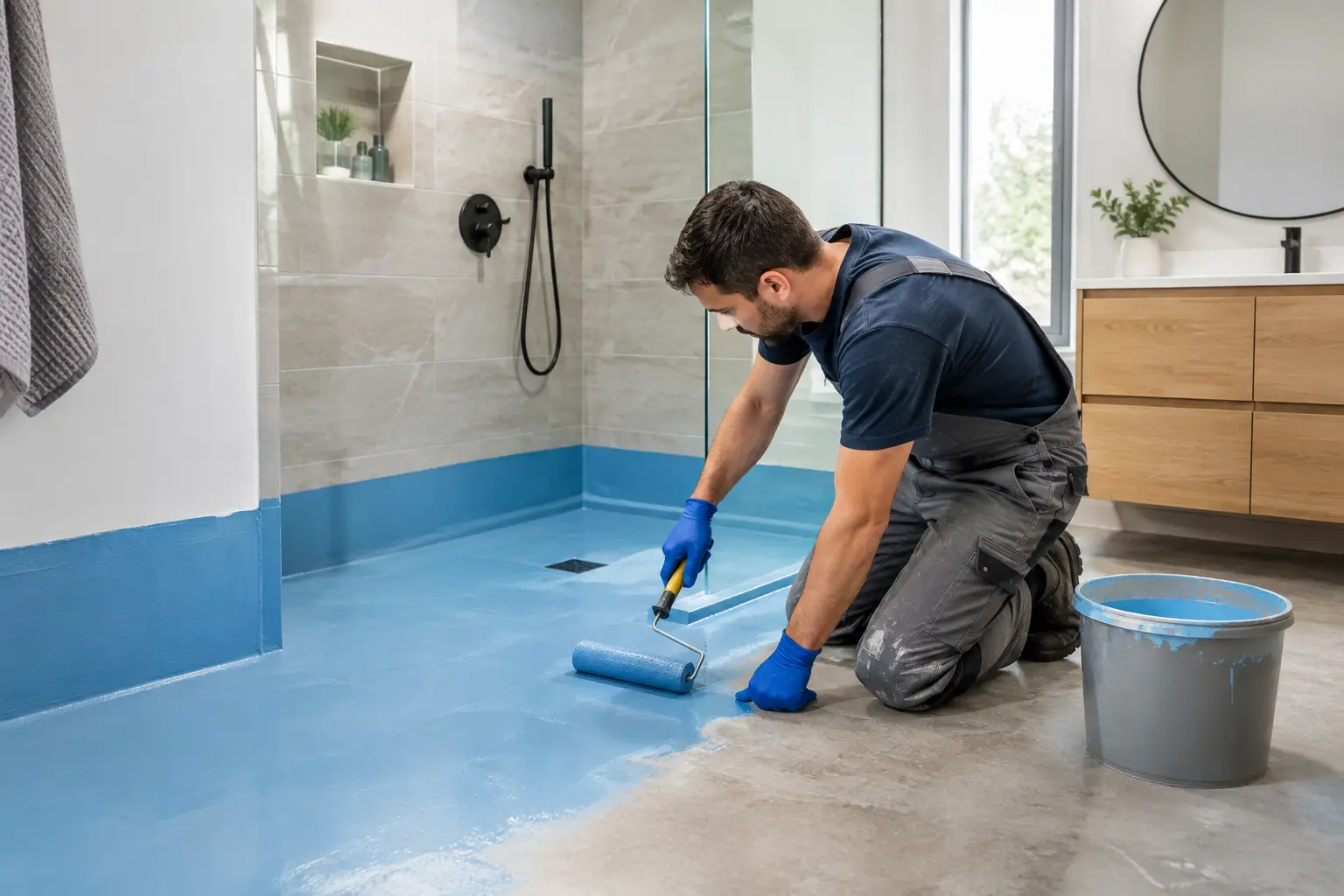
A bathroom can look finished the day the tiles are laid, but the work that protects the home sits underneath them. So, do bathroom renovations need waterproofing? In nearly every renovation involving a shower, bath, vanity, toilet or wet floor area, the answer is yes. Proper waterproofing is not an optional upgrade. It is the barrier that helps stop water reaching framing, plaster, flooring and adjoining rooms.
For homeowners across Melbourne’s western suburbs, waterproofing is one of the most important parts of a bathroom renovation – and one of the hardest to inspect once the room is complete. Getting it right before tiling protects the value, safety and lifespan of the renovation.
Do bathroom renovations need waterproofing under Australian rules?
A full bathroom renovation generally requires waterproofing work that meets the applicable building requirements and Australian Standards, including AS 3740 for waterproofing of domestic wet areas. The exact scope depends on the bathroom layout, the type of shower, the substrate and whether the room is being fully stripped out or only partly updated.
Bathrooms are classified as wet areas because regular splashing, steam and plumbing leaks are expected. Tiles and grout are water-resistant finishes, but they are not a complete waterproofing system. Grout can crack, silicone can deteriorate and water can work through small gaps over time. The membrane beneath the finish is what manages that risk.
A compliant waterproofing system usually includes the shower floor, shower walls, wall-to-floor junctions, penetrations around pipes, and other areas exposed to water. Where a bathroom has a hobless or walk-in shower, the floor falls, drainage and waterproofing details need even more care. Water has no respect for a new vanity or expensive tile choice – it will follow the lowest point and find the weakest joint.
When waterproofing is required – and when it may not be
If the renovation includes demolition, new wall linings, a new shower, relocated plumbing, floor tiling or a new bath, waterproofing should be part of the scope. A bathroom that has been stripped back provides the right opportunity to assess the subfloor, repair damaged framing, set correct falls and install a complete membrane system before finishes go on.
There are limited situations where a full waterproofing job may not be necessary. Replacing a mirror, changing tapware without opening wall linings, installing a new toilet in the same position or swapping a vanity can be cosmetic work rather than a wet-area rebuild. Even then, any disturbed seals, damaged tiles or leaking connections should be addressed properly.
The difference comes down to what has been opened, altered or exposed. If a shower base is removed, tiles are lifted, plumbing penetrations are changed, or wall and floor junctions are disturbed, patching around the edges is rarely the right answer. The bathroom needs a considered waterproofing plan, not a quick cover-up.
What proper bathroom waterproofing involves
Waterproofing is not simply rolling a coating over the floor the day before tiles are installed. The quality of the result depends on preparation, material selection and the sequence of trades.
First, the substrate needs to be sound, clean and suitable for the chosen membrane. Cement sheet, screed, fibre cement and other surfaces may need priming or preparation according to the product system. Any movement, loose material, moisture issues or damage should be rectified before the membrane is applied.
The waterproofer then treats vulnerable points such as internal corners, wall-to-floor junctions, shower hobs, drains and pipe penetrations. Bond breakers and reinforcing components allow for minor building movement at joints, helping prevent the membrane from splitting where it is under the most stress.
The membrane is applied at the correct coverage and thickness, with sufficient drying time between coats. Rushing this stage can cause poor adhesion or incomplete coverage. Once cured, the area is ready for tiling, with the tiler working carefully to avoid puncturing or compromising the waterproof layer.
In a well-managed renovation, the plumber, carpenter, waterproofer and tiler work in the right order. That coordination matters. For example, a poorly positioned drain, an incorrect shower fall or a late plumbing change can affect a waterproofed area and create rework.
The expensive consequences of poor waterproofing
Waterproofing failures often stay hidden for months or years. The first signs may be mould around skirting boards, peeling paint in the next room, swollen timber flooring, loose tiles, damp carpet or a musty smell. By the time those symptoms appear, water may already have damaged materials behind the wall or below the floor.
Common causes include insufficient membrane coverage, missed corners, poorly sealed penetrations, cracked grout, failed silicone and inadequate falls toward the drain. A shower can look neat on the surface while water is slowly escaping behind it every time it is used.
Repair costs can quickly exceed the saving made by cutting corners at the start. Fixing a failed shower may involve removing tiles, wall linings, shower screens and fixtures just to access the waterproofing layer. If timber framing, flooring or an adjoining room has been affected, the repair scope grows further.
For property owners, there is also the issue of resale confidence. A bathroom renovation should make a home easier to live in and more appealing to buyers, not create questions about leaks, mould or unapproved work. Clear workmanship records and properly completed trade work provide far better peace of mind.
Walk-in showers need extra planning
Walk-in showers are popular because they create a clean, open look and can make a smaller bathroom feel larger. They also demand accurate set-out. Without a traditional shower hob, water must be contained through well-designed floor falls, drain placement, screen positioning and waterproofing coverage.
This does not mean a walk-in shower is risky when built correctly. It means the design needs to be practical from the beginning. A stylish large-format tile may affect drainage falls. A fixed glass panel may need to be positioned to reduce splash. A linear drain can work well, but it needs correct installation and compatible falls.
The best approach is to plan the shower as a complete system rather than selecting individual features separately. That prevents the common problem of trying to solve drainage or splash issues after tiling has already begun.
Why qualified trades matter in a wet-area renovation
Bathroom renovations bring several trades together in a small space. Plumbing rough-in, carpentry, wall preparation, waterproofing, tiling and final fixture installation all affect the finished result. A problem in one stage can undermine the next.
Using qualified, experienced trades gives you a clearer process and better accountability. A registered plumber can manage water and drainage connections correctly. A qualified carpenter can repair or alter the structure where required. A competent waterproofer can prepare and apply the membrane system to suit the room and product specifications.
At BP Building & Maintenance, complete bathroom renovations are managed with the full wet-area sequence in mind, from strip-out and plumbing through to waterproofing, tiling and fit-off. This avoids the gaps that can occur when homeowners are left coordinating separate trades themselves.
It is worth asking exactly what the quote includes. A proper renovation quote should make clear whether demolition, substrate repairs, waterproofing, drainage adjustments, tiling and silicone sealing are included. The lowest price can become the most expensive option if essential preparation is excluded or treated as an afterthought.
A better way to approach your bathroom renovation
Before choosing tiles or tapware, decide how the bathroom needs to function. Consider who uses it, where water will land each day, whether a walk-in shower suits the space, and whether existing leaks or movement need to be rectified. These practical decisions shape the waterproofing and construction work beneath the visible finishes.
A bathroom should be built to handle daily use, not just look good at handover. When waterproofing is planned early and completed properly, you can enjoy the renovation knowing the work behind the tiles is built for the long term. If you are planning a bathroom upgrade, a detailed on-site assessment and clear quote are the right place to start.