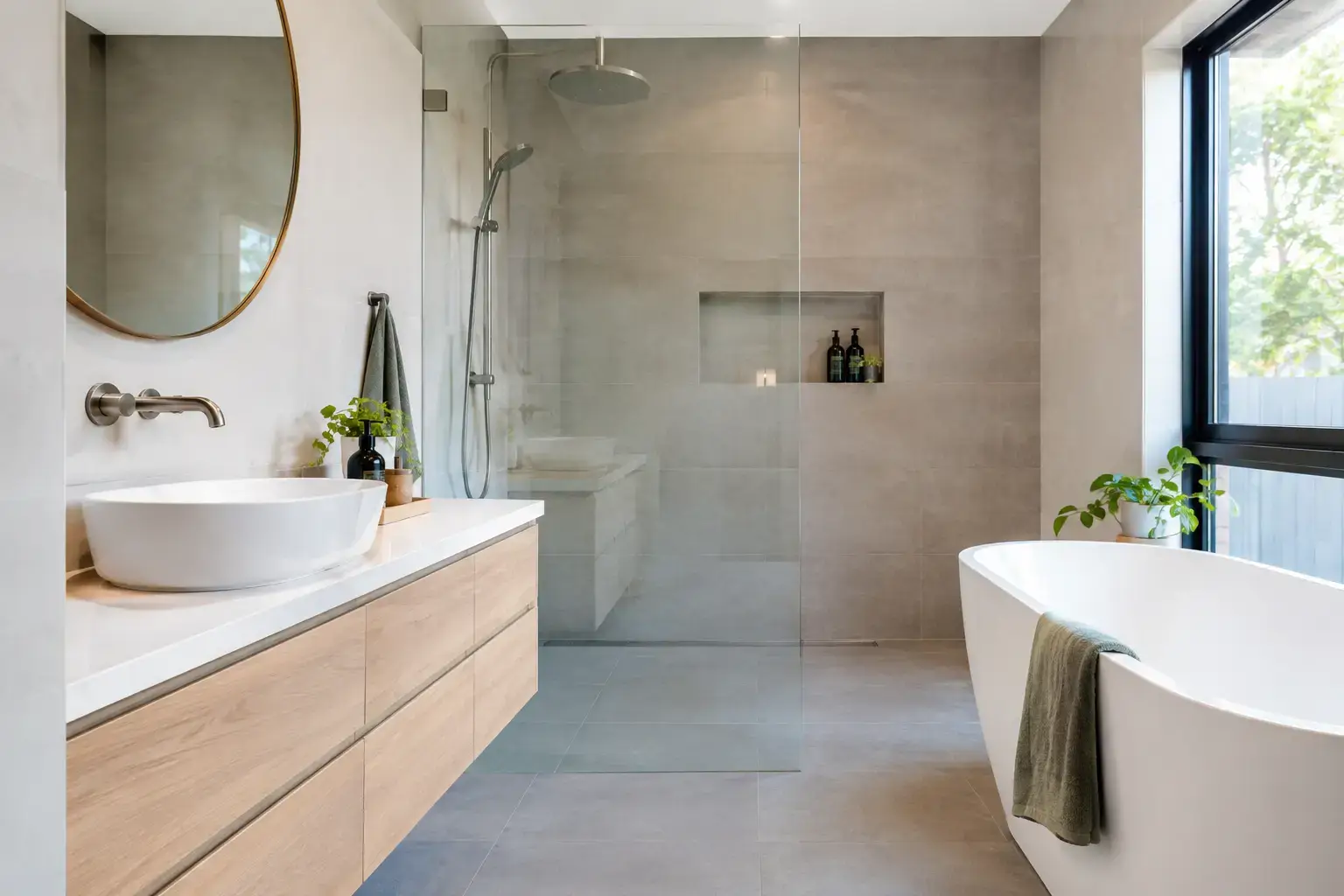
A bathroom can look tired long before it stops working. Cracked grout, a cramped shower, poor storage, leaking silicone and ageing fittings are common signs that it is time to plan a Caroline Springs bathroom transformation properly. The right renovation does more than update tiles. It fixes the hidden issues, improves how the room works each morning and gives you confidence that the wet areas have been completed to a professional standard.
For homeowners in Caroline Springs, the best result usually comes from treating the bathroom as a complete build rather than a collection of cosmetic upgrades. That means considering the layout, plumbing positions, waterproofing, ventilation, surfaces and fit-off together from the start.
Start With the Problems You Want to Solve
Before choosing a vanity colour or tile pattern, be clear about what is not working in the current bathroom. A growing family may need more storage and a larger shower. An older home may have moisture damage behind the walls or beneath the floor. A rental property may need durable finishes that are easy to maintain between tenants.
This first step shapes the entire project. Moving plumbing can create a better layout, but it may add cost and time. Keeping the toilet, shower and vanity in roughly the same locations can be more economical when the existing layout is functional. Neither approach is automatically right. It depends on whether the current room has a minor inconvenience or a fundamental design problem.
Think about everyday use, not just the display-room look. Ask where towels will go, whether two people need access at once, how easily the shower can be cleaned and whether there is enough bench space around the basin. A bathroom that looks sharp but creates a daily frustration is not a successful renovation.
What a Proper Bathroom Renovation Includes
A complete bathroom renovation is a sequence of skilled trades, with each stage affecting the one that follows. Cutting corners early can create expensive problems after the tiles are in place.
The work generally begins with demolition and strip-out. Old fixtures, wall linings, floor coverings and damaged materials are removed carefully so the underlying structure and services can be inspected. This is when hidden water damage, poor previous workmanship or outdated plumbing may come to light.
Plumbing and carpentry work follows where required. This may involve adjusting pipework for a new shower position, building framing for a recessed shelf or walk-in shower, repairing subfloors, or installing support for a wall-hung vanity. These details are not always visible at handover, but they are central to a bathroom that stays solid and functional.
Waterproofing is one of the most critical stages. It is not an area for guesswork or rushed preparation. Floors, shower areas, wall junctions and penetrations need to be prepared and waterproofed correctly before tiling begins. Good waterproofing protects the bathroom itself and helps prevent moisture from reaching surrounding walls, flooring and rooms below.
Once this work is complete, wall and floor tiling can proceed, followed by grouting, sealing, fixture installation and final fit-off. The result should feel considered from every angle: straight tile lines, clean junctions, properly finished edges and fixtures that operate as they should.
Designing a Caroline Springs Bathroom Transformation for Daily Life
Current bathroom styles often favour clean lines, larger tiles, walk-in showers and practical storage. These choices can work very well, but they need to suit the room rather than follow a trend blindly.
A walk-in shower can make a compact bathroom feel more open and is easier to access than a shower over bath. However, it needs correct falls, drainage placement and shower-screen design to contain water effectively. In some family homes, keeping a bath is the better decision, particularly where young children use the space. If a separate bath will rarely be used, that floor area may be better spent on a larger shower or a double vanity.
Custom vanities are another practical upgrade. Off-the-shelf units can suit straightforward spaces, but a custom solution can make better use of an awkward wall, provide more drawers and create a neater finish around plumbing. Choose materials and hardware that are suitable for a humid room, not simply what looks good under showroom lighting.
Tile selection also deserves a practical view. Large-format tiles can reduce grout lines and give a more contemporary look, though they may require more preparation to install well in smaller or uneven spaces. Textured floor tiles can provide better grip, while very heavily textured finishes may be harder to clean. The best choice balances appearance, safety and maintenance.
Do Not Overlook Ventilation and Lighting
Steam is part of bathroom life, but lingering moisture is not. Effective ventilation helps manage humidity, reduces condensation and protects finishes over time. An exhaust fan should be selected and positioned with the size and use of the room in mind.
Lighting also changes how a bathroom performs. Bright, even task lighting around the mirror is useful for shaving, makeup and morning routines. Softer general lighting can make the room more comfortable at night. Planning this before walls are closed gives a cleaner result than trying to add solutions later.
Why Qualified Trades Matter
Bathrooms combine water, drainage, electrical work, structural details and finishes in one small area. That is why coordinating qualified trades is not an optional extra. A good renovation needs more than attractive fixtures and a fast tiler.
A registered plumber, qualified carpenter and certified waterproofer each bring specific knowledge to the job. Their work must align so pipes are where they need to be, framing supports the design, waterproofing is not compromised and the final fixtures fit correctly. When one stage is rushed or poorly coordinated, the consequences can stay hidden until a leak, loose tile or drainage issue appears later.
Using an end-to-end renovation provider also makes the process easier to manage. Rather than chasing separate trades, homeowners have a clearer point of contact from demolition through to final fit-off. BP Building & Maintenance manages complete bathroom renovations with a focus on the practical work that protects your investment: proper preparation, skilled trade execution and close attention to the finish.
Set a Realistic Budget and Timeframe
A bathroom renovation budget is influenced by the room size, existing condition, layout changes, fixture selections and the level of finish. Retaining service locations can help control costs. Moving walls, relocating plumbing or repairing unexpected damage can increase the scope.
It is worth allowing a contingency for older bathrooms, especially if there are signs of leaks, movement, mould or past DIY repairs. No reputable renovator should promise that every hidden condition can be identified before demolition. What matters is clear communication when an issue is found and a sensible plan to resolve it.
Timeframes also depend on the scope and availability of materials. A straightforward renovation generally moves faster than a major reconfiguration involving custom joinery, structural changes or specialised tiles. Ordering key fixtures and tiles early helps avoid delays once work is underway. The goal should be efficient progress without rushing the stages that determine quality.
Choose Finishes That Will Still Work in Five Years
A bathroom should not need to be treated like a showroom. Choose tapware, basins, screens and tiles that suit the level of use the room receives. Matte black fittings can look excellent, for example, but may show water marks more readily than chrome depending on your water and cleaning routine. A pale grout can brighten a room, but it may demand more upkeep in a busy family bathroom.
Neutral base finishes are often a sound long-term choice because accessories, paint colours and towels can change without replacing the expensive elements. That does not mean every bathroom needs to be white and plain. Timber-look cabinetry, feature tiles or warmer stone tones can add personality when used in a balanced way.
The same principle applies to storage. Deep drawers, mirrored cabinets and recessed shower niches are useful only when they are positioned for the way you use the room. Good design is measured by fewer cluttered benches and less time searching for everyday items.
A Better Result Starts Behind the Tiles
The most impressive bathroom transformations are not defined solely by a new vanity or a fashionable tile. They are defined by the work you cannot see once the room is complete: sound preparation, correctly managed plumbing, reliable waterproofing and careful installation at every stage.
If your bathroom is outdated, difficult to use or showing signs of water damage, take the time to plan the full job before selecting finishes. A well-built bathroom gives your household a cleaner, more comfortable space now and a stronger result for the years ahead.