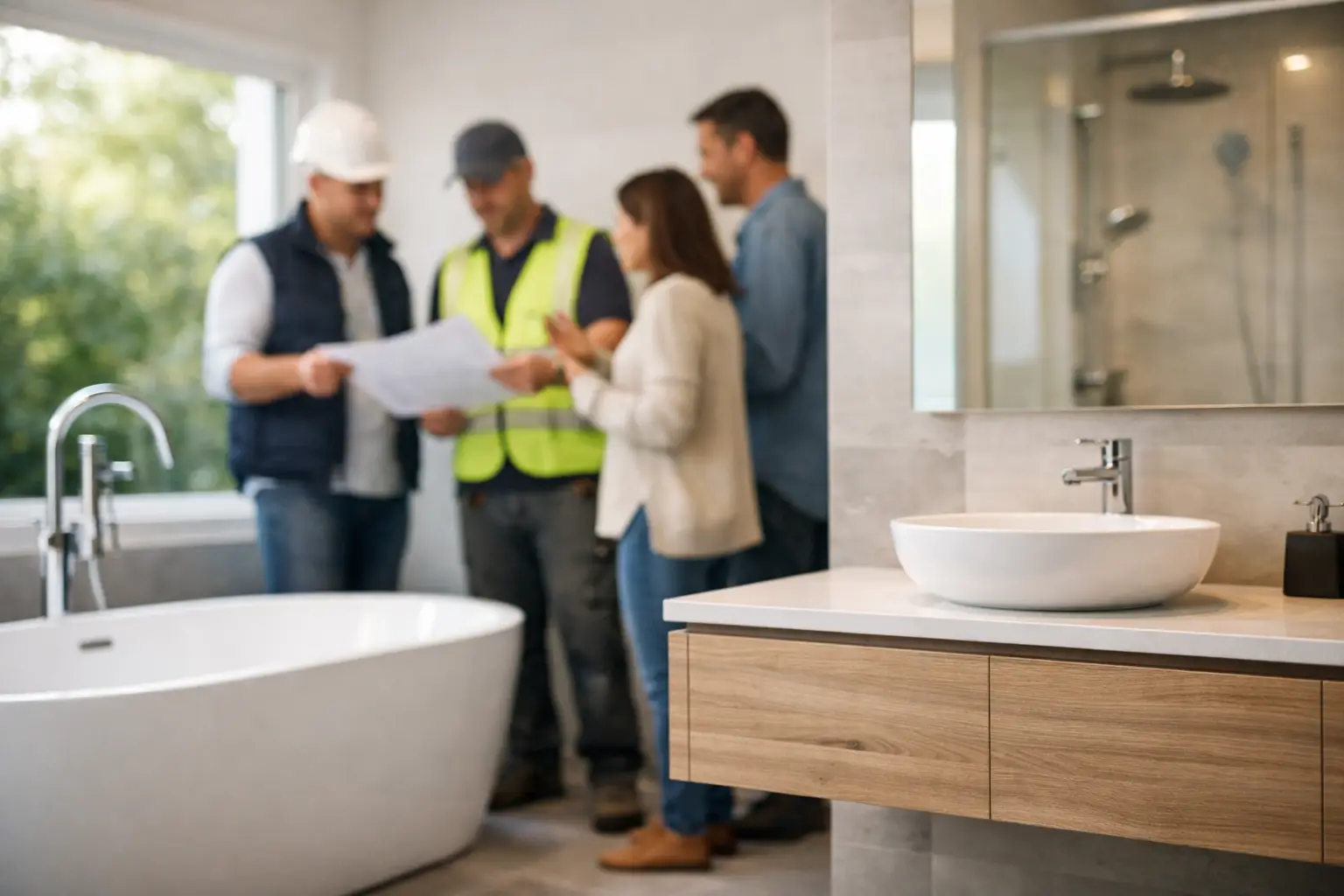
If your bathroom still works but feels tired, cramped or risky around wet areas, putting it off usually makes the job bigger later. Bathroom renovations Point Cook homeowners get the best value from are not just about new tiles and tapware – they are about fixing layout problems, getting waterproofing right and making sure every trade is done properly from the start.
A bathroom is one of the hardest-working rooms in the house. It gets daily moisture, constant use and very little margin for poor workmanship. When a renovation is done well, it improves comfort, storage, cleaning and resale appeal. When it is rushed or handled by the wrong mix of trades, the problems often stay hidden until water damage, mould or movement starts showing up.
What matters most in bathroom renovations Point Cook
The finish gets most of the attention, but the real quality of a bathroom renovation sits behind the tiles. Waterproofing, plumbing set-out, substrate preparation and fall to waste all matter more than the showroom look if you want the room to last.
That is why homeowners should be careful about comparing quotes on price alone. One quote may include proper demolition, rectification of wet area damage, certified waterproofing and a full fit-off by qualified trades. Another may look cheaper because it leaves grey areas around prep work, drainage changes or compliance-critical steps. On paper they can seem similar. On site, they are not.
A good renovation also needs practical design choices. That might mean a walk-in shower instead of a bulky frame, a custom vanity that actually suits the room, or wall-hung fixtures that make cleaning easier. In smaller bathrooms, a few smart changes in layout can make a bigger difference than expensive finishes.
The difference between cosmetic upgrades and a proper renovation
Some bathrooms only need a surface refresh. Others need a full strip-out because the room has reached the point where patching is false economy. The right scope depends on the age of the bathroom, visible condition and what you want the space to do.
If your tiles are loose, grout is failing, the shower leaks, the vanity is swollen or the floor feels uneven, cosmetic work is rarely enough. Replacing a screen and regrouting a few joints might buy time, but it will not solve failed waterproofing underneath. In those cases, a complete renovation is the more sensible option.
On the other hand, if the structure is sound and the layout works, the project can focus on improving function and appearance without overcomplicating it. That balance matters. Not every bathroom needs to be oversized, high-end or filled with trends. It needs to suit the way your household actually uses it.
What a well-run bathroom project should include
A proper bathroom renovation is a sequence of trade-critical steps, not a collection of products. That means strip-out, preparation, plumbing, waterproofing, tiling and fixture installation all need to line up cleanly. If one stage is compromised, the rest of the work is affected.
Demolition should be controlled and thorough, with the room taken back far enough to check what is happening behind walls and under floors. This is often where older bathrooms reveal the real story – water damage, poor previous repairs or framing issues that were covered over.
From there, plumbing and carpentry need to be set correctly before any finish goes on. If wastes are in the wrong spot or walls are not true, the final result will always feel second-rate. Tiling only looks sharp when the preparation underneath is accurate.
Waterproofing deserves special attention because it is one of the biggest failure points in bathrooms. It is not a throwaway step and it should never be treated like one. A certified waterproofer and a methodical process make a real difference to how the room performs over time.
Once those technical stages are right, the fit-off becomes straightforward. Vanities, toilets, tapware, shower screens and accessories should be installed with the same level of care as the hidden work. That is what gives the room a clean finish rather than a rushed handover.
Choosing finishes that will still work in five years
A lot of bathroom regret comes from chasing a look that dates quickly or choosing fittings that are harder to live with than expected. The better approach is to keep the core selections practical and durable, then add style through texture, shape and colour in measured ways.
Large-format tiles can reduce grout lines and help a room feel more open, but they need skilled installation and the right fall in wet zones. Matte finishes can look great, though some surfaces show soap residue more than people expect. Wall-hung vanities free up floor space, but only if the wall structure suits the installation.
Storage is another area where practical thinking wins. Open shelving can look tidy in photos, yet many households are better off with drawers and closed cabinetry that keep the room easier to manage day to day. The same goes for niches, mirror cabinets and towel placement. Good design should work on a Monday morning, not just in a finished photo.
Why local trade coordination matters
Bathroom renovations move faster and more cleanly when the trades are coordinated under one clear scope of work. Homeowners generally do not want to chase a plumber, then a tiler, then a waterproofer, hoping each one turns up at the right stage. That is where end-to-end project delivery matters.
For Point Cook homes, especially in established properties or family homes due for an update, having qualified trades manage the room from demolition through to fit-off reduces delays and confusion. It also makes it easier to identify issues early rather than passing responsibility around once the job is underway.
This is where a business with a registered plumber, qualified carpenter and certified waterproofer stands apart. The technical side of the job is not an extra – it is the foundation of the result. BP Building & Maintenance takes that practical approach because bathroom work leaves no room for guesswork.
How to judge a quote properly
A bathroom quote should tell you more than the bottom-line number. It should make clear what is included, what allowances apply and where the risks sit if hidden issues are found after demolition.
Ask whether demolition and rubbish removal are included. Check if waterproofing is part of the scope and who is carrying it out. Confirm whether plumbing alterations, tiling, shower construction, vanity installation and final fit-off are all covered. If custom cabinetry is part of the plan, make sure that is specified rather than assumed.
It is also worth asking how the team handles site cleanliness, scheduling and communication. Fast turnaround is valuable, but only when it comes with proper sequencing and attention to detail. Speed without control usually ends up costing more.
A realistic quote from qualified trades may not be the cheapest option, but it is often the one that avoids rework and ongoing issues. In bathrooms, cheap work has a habit of turning expensive later.
Common renovation goals and what usually works best
Most homeowners are trying to solve a few practical issues at once. They want a bathroom that looks current, feels easier to use and stands up to everyday wear. The exact solution depends on the size of the room, the household and the condition of the existing space.
For family bathrooms, layout and storage usually matter more than premium finishes. A better vanity, a tougher tile selection and an easier-to-clean shower area often deliver the best return. In ensuites, the focus is more often on comfort, efficient use of space and a cleaner, more modern feel.
If accessibility is becoming a concern, a step-free shower, wider entry and carefully placed fixtures can improve safety without making the room feel clinical. If resale is part of the thinking, neutral finishes and a timeless layout are usually a safer choice than trend-driven selections.
The key is to match the renovation to the property and the way you live. Bigger spending does not automatically mean a better outcome. Smart planning does.
A bathroom should not be the room you keep meaning to deal with next year. If it is showing signs of age, poor function or water risk, getting proper advice early can save a lot of hassle later. The best result is not a flashy before-and-after – it is a bathroom built properly, finished cleanly and ready to handle daily use for years.