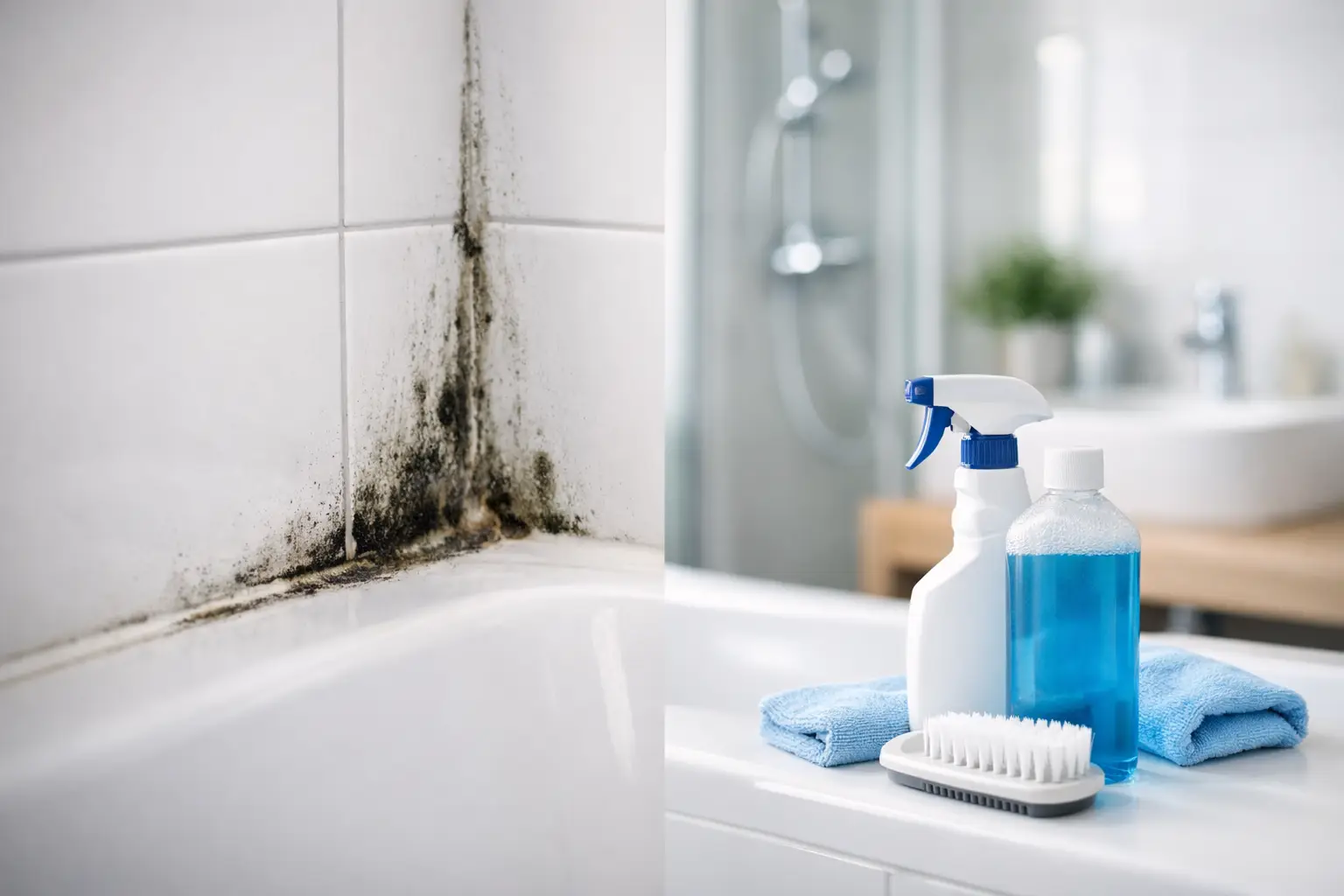
A bathroom can look spotless after a clean and still be quietly creating the right conditions for mould. Knowing how to avoid bathroom mould comes down to managing moisture properly, not just wiping away the black marks once they appear. Steam, poor airflow, small plumbing leaks and failed seals can all leave moisture sitting where it should not.
For homeowners, mould is more than a cosmetic issue around silicone or ceiling corners. It can damage plaster, stain grout, cause paint to peel and point to a ventilation, drainage or waterproofing problem that needs proper attention.
Why bathroom mould keeps returning
Mould needs moisture, warmth and a surface to grow on. Bathrooms provide all three, particularly during winter when windows stay closed and hot showers create a lot of steam. If that humid air cannot leave the room quickly, it settles as condensation on ceilings, walls, mirrors, windows and fittings.
The reason mould often returns after cleaning is simple: the underlying moisture source has not been fixed. You might remove the visible growth from grout, but if the bathroom remains damp for hours after every shower, spores have the same conditions to come back.
Older bathrooms can be especially vulnerable. Exhaust fans may be undersized, window openings may be limited, shower screens may leak at the edge, and worn silicone can allow water behind tiles or around a vanity. In these cases, regular cleaning helps, but it will not solve the whole problem.
How to avoid bathroom mould with better ventilation
The most effective way to prevent mould is to get humid air out of the bathroom quickly. An exhaust fan should vent moisture outside, rather than simply moving it into the roof space. It also needs enough capacity for the size of the room and should be positioned where it can draw steam away from the shower area.
Run the fan during every shower and leave it on for at least 15 to 20 minutes afterwards. If the fan is noisy, weak or seems to make little difference, it may need cleaning, repair or replacement. Dust buildup on the grille and motor can reduce performance, while an incorrectly installed duct can stop moist air from being expelled effectively.
A window can assist with airflow, especially once the shower is finished, but it is not always enough on its own. This depends on the window size, the bathroom layout and the weather. In a compact internal bathroom with no external window, a correctly selected and installed exhaust fan is not optional – it is a key part of keeping the room dry.
Keep the bathroom door slightly open after showering if privacy and household routines allow. This can help air move through the home, but avoid relying on it as the main solution. The goal is to extract damp air, not shift it into nearby bedrooms or hallways.
Reduce the water left behind after showering
Small habits make a genuine difference when they are done consistently. Use a squeegee on shower glass and wall tiles after use, then hang towels open so they dry fully rather than staying bunched up on a hook. A wet bath mat should be hung up or placed outside to dry, not left on the floor all day.
Check that your shower screen, curtain or bath edge is containing water. Water that regularly escapes onto the bathroom floor can soak into grout lines, silicone edges and joins around cabinetry. It also increases humidity as it evaporates.
Where possible, do not dry washing inside the bathroom. Wet clothes can release a surprising amount of moisture into an already humid room. For homes with a combined bathroom and laundry, good extraction becomes even more important.
Keep surfaces clean, but do not rely on cleaning alone
Soap residue, body oils and dust give mould a surface it can cling to. A regular clean of tiles, grout, shower screens and ventilation grilles removes this build-up and makes it easier to spot early signs of trouble.
Pay close attention to silicone joints around the shower, bath, vanity and floor edges. Mould can take hold in ageing silicone, particularly where water sits after showering. If silicone is cracked, pulling away or permanently stained, it should be removed and replaced rather than covered over with more sealant.
Use cleaning products as directed and make sure the room is ventilated while you work. Never mix cleaning chemicals. For established mould growth, especially across a ceiling or wall, cleaning the visible area may not be enough if the plasterboard has remained damp. That situation needs the cause investigated before repainting or patching.
Check for leaks before they become damage
Not all bathroom moisture comes from steam. A slow leak behind a vanity, under a toilet, from a shower mixer or within wall plumbing can feed mould without being obvious at first. A musty smell, soft skirting, swollen cabinetry, loose tiles, discoloured paint or recurring mould in one small area are all warning signs worth acting on.
Look inside vanity cupboards and around toilet bases periodically. Check for drips under taps and inspect shower fixtures for water that continues to run after being turned off. Outside the bathroom, peeling paint or staining on an adjoining wall can also suggest water is getting where it should not.
A licensed plumber can identify and repair plumbing faults before they cause more extensive damage. This is one area where delaying the fix to save money often has the opposite result. A minor leak can lead to damaged cabinetry, flooring, wall linings and, in serious cases, a larger bathroom rebuild.
Waterproofing and drainage matter during a renovation
If you are renovating an older bathroom, mould prevention should be part of the design and construction plan from day one. Choosing attractive tiles and fittings is important, but the work behind the finished surface protects the room for years to come.
Proper waterproofing is essential in shower areas and other required wet zones. It forms a barrier beneath the tiles to help stop water reaching wall and floor structures. Tiles and grout are not waterproof on their own. When waterproofing is poorly applied, damaged or missing, water can travel behind the finish and create conditions for mould and hidden deterioration.
Drainage also needs to be right. Shower floors should fall correctly towards the waste so water does not pool in corners. A walk-in shower needs careful detailing at the screen, entry and drainage points, as its open design can allow water to travel farther if the layout is not planned properly.
Ventilation should be considered at the same time. It is far easier to select the correct exhaust system and ducting while walls and ceilings are open than to try to correct an inadequate setup later.
For homeowners in Caroline Springs and Melbourne’s western suburbs, BP Building & Maintenance can manage these connected parts of a bathroom renovation, including plumbing, certified waterproofing, tiling and fit-off work. The value is in getting the wet-area details right together, rather than treating each trade as a separate fix.
Do not hide mould with paint or new grout
Painting over a mould-stained ceiling or applying fresh grout over a problem area can make a bathroom look better for a short time. It does not remove trapped moisture, repair a leak or improve airflow. In fact, hiding the evidence can make it harder to identify the real issue until the damage spreads.
The right approach depends on what is causing the mould. Light surface mould around a window may be resolved through improved ventilation and drying habits. Repeated mould in the same ceiling corner could point to poor extraction or condensation. Mould around a shower wall, floor junction or vanity may indicate failed sealing, a leak or a waterproofing concern.
When it is time to call a professional
Seek professional advice when mould keeps returning despite good cleaning and ventilation, when you can smell dampness, or when there are signs of swelling, staining or water damage. It is also worth getting help before starting a cosmetic bathroom update if the room has a history of leaks or mould.
A properly built bathroom should be easy to keep dry, easy to clean and designed to handle daily use without water finding its way into the wrong places. The best time to address those details is before a small mould patch becomes a bigger repair job.
Leave a Reply