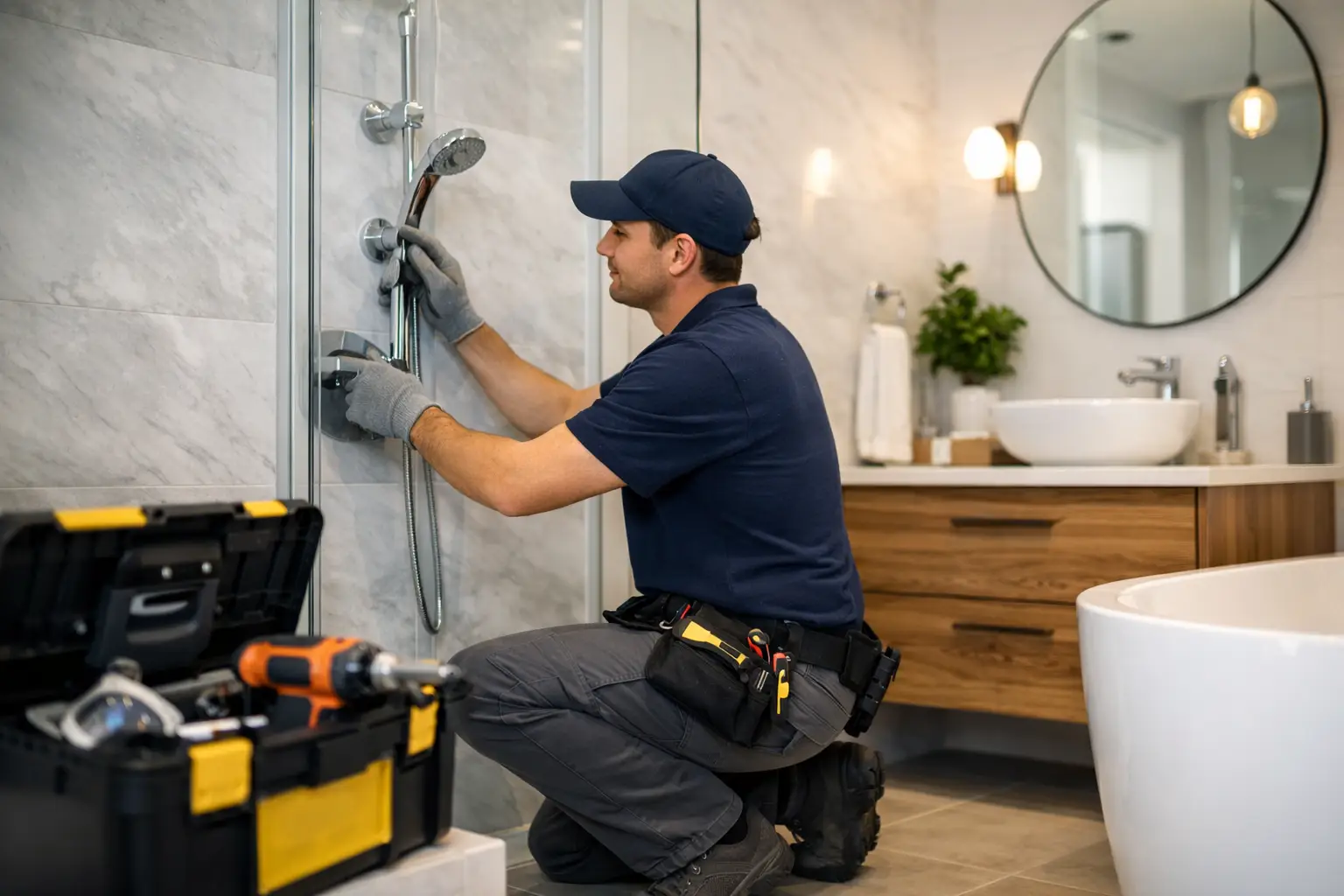
A bathroom can look finished on the day the grout is cleaned, yet still hide the problems that cost the most later. A leaking shower recess, poorly graded floor, unapproved plumbing work or rushed waterproofing can damage adjoining rooms long before it becomes obvious. That is why choosing a licensed bathroom renovator Melbourne West homeowners can rely on is about far more than selecting tiles and tapware.
For homes across Caroline Springs and the western suburbs, a proper renovation should improve how the room works, protect the structure behind it and give you confidence that qualified trades have handled the work. The best result is not simply a stylish bathroom. It is a bathroom built correctly from strip-out to final fit-off.
Why licensing and qualified trades matter
Bathrooms are one of the most technical rooms in a home. They combine water supply, drainage, electrical requirements, wall and floor preparation, waterproofing, ventilation, tiling and fixtures in a compact space. Each stage affects the next.
A cheap quote may look appealing when you are comparing numbers, but it can leave important work unclear. Who is disconnecting and reconnecting plumbing? Who is responsible for waterproofing? Is the shower floor being formed with the correct falls? Will the person managing the project be on site and accountable if an issue arises?
Working with the right qualified trades helps remove those gaps. Plumbing work needs to be completed by the appropriate registered or licensed practitioner. Waterproofing requires careful preparation, compatible materials and installation that meets relevant requirements. Carpentry and building work must also be properly planned where walls, flooring, framing or layouts are being altered.
This is not about adding unnecessary complexity. It is about preventing a renovation from becoming a repair job within a few years.
What a complete bathroom renovation should include
A well-managed renovation starts before any demolition begins. The existing bathroom needs to be assessed for layout limitations, drainage locations, signs of moisture damage and the condition of walls and flooring. This is the point where practical advice matters most, particularly in older homes where hidden issues may only become clear once the room is opened up.
A complete scope commonly includes demolition and strip-out, rubbish removal, plumbing changes, carpentry where required, wall and floor preparation, waterproofing, tiling, installation of the vanity and shower, and final fixture fit-off. Managing these stages as one job reduces the risk of delays caused by separate trades working without a clear sequence.
At BP Building & Maintenance, the focus is on end-to-end bathroom work delivered by a registered plumber, qualified carpenter and certified waterproofer. That trade coverage matters because the core work is coordinated rather than treated as separate jobs with separate responsibilities.
Demolition is where hidden issues are found
Removing old tiles, fixtures and linings often reveals what is happening behind the finished surfaces. There may be damaged sheeting around the shower, rotted timber, cracked bedding, poor previous waterproofing or plumbing that no longer suits the new layout.
A reliable renovator does not cover these issues and hope for the best. They explain the problem, outline the required repair and keep the work moving with a clear variation process if the scope changes. Some unknowns are unavoidable in renovation work, but vague communication is not.
Waterproofing is not the stage to cut corners
Waterproofing is one of the most critical parts of any bathroom renovation. It sits behind the tiles and fixtures, so there is no easy way to judge it after the room is complete. If it fails, water can track into wall cavities, subfloors and neighbouring rooms.
Correct waterproofing depends on sound surface preparation, proper junction treatment, suitable membrane application and enough drying time between coats. Shower recesses, wall-to-floor joints, penetrations and hob details all require close attention. Tiling over a rushed or poorly prepared membrane can turn a small saving into a major rectification cost.
Ask your renovator who completes the waterproofing, what system is being used and how the work will be checked before tiling starts. Straight answers are a good sign that the job is being handled properly.
Plumbing and drainage shape how the room works
Moving a toilet, shower or vanity can transform an awkward bathroom, but it is not always as straightforward as it looks on a plan. Existing drainage locations, floor structure and access beneath the home can affect what is practical and what it will cost.
A good renovator will help you weigh the benefit of a new layout against the additional plumbing work involved. Sometimes repositioning everything is worthwhile, especially when creating a more accessible bathroom or a walk-in shower. In other cases, retaining key drainage points can keep the budget focused on better finishes, storage and comfort.
The same thinking applies to showers. A frameless walk-in shower can make a compact bathroom feel larger, but it needs correct falls, drainage and waterproofing details. A shower screen or a modest nib wall may be the better option where splash control or room proportions demand it.
How to compare bathroom renovation quotes
Do not compare quotes on the final figure alone. Compare what each contractor has allowed for, who is carrying out the specialist work and what is excluded. A detailed quote makes it easier to see whether you are receiving a complete renovation or a basic allowance that will grow as the job progresses.
Before accepting a quote, make sure you understand the inclusions for demolition, waterproofing, plumbing, tiling, fixtures, waste removal and final installation. Clarify whether tiles, tapware, vanities and shower screens are supplied by you or included as allowances. It is also sensible to ask how unexpected site issues will be documented and approved.
Price matters, but so does the ability to finish the work cleanly and properly. The lowest quote can become the highest-cost option if it omits preparation, uses unqualified labour or leaves you coordinating trades yourself.
Questions worth asking a licensed bathroom renovator in Melbourne West
A professional renovator should be comfortable answering direct questions. Ask who will manage the job day to day, which trades are involved, how waterproofing is handled and what timeframe is realistic for your bathroom.
It is also worth discussing site protection and access. Renovations create dust, noise and waste, particularly during demolition. For families living in the home, knowing how the work area will be contained and when water services may be unavailable makes the process easier to manage.
If your home has only one bathroom, ask about the expected period without a working shower or toilet. Fast turnaround is valuable, but it should never mean skipping curing times, inspections or the preparation needed for durable finishes.
Plan for durability, not just appearance
The most successful bathrooms balance style with everyday use. Large-format tiles can create a clean, modern look, but they need careful installation and may be less forgiving on uneven existing surfaces. Wall-hung vanities make floor cleaning easier and can open up visual space, while floor-mounted options may offer more storage or suit particular plumbing arrangements.
Think about who uses the bathroom now and who may use it in the years ahead. A walk-in shower, practical vanity height, generous storage and easy-to-clean finishes can make a meaningful difference to daily life. For rental properties, durability and readily available replacement parts may matter more than highly specialised fixtures.
Ventilation also deserves attention. A well-designed exhaust system helps manage steam and moisture, protecting paintwork, joinery and ceilings over time. It is a small component with a significant role in keeping the room looking good.
A better way to start your renovation
Start with a clear conversation about your bathroom, your budget range and the problems you want solved. Bring measurements, inspiration images and a list of non-negotiables, but stay open to practical advice once the existing room has been assessed. The strongest renovation plans are the ones that combine your preferred look with sound trade knowledge.
Whether you are replacing a tired ensuite, improving a family bathroom or dealing with early signs of water damage, choose workmanship that protects your home after the new tiles are in place. A detailed quote and qualified team give you a far better foundation for a bathroom you will be happy to use every day.