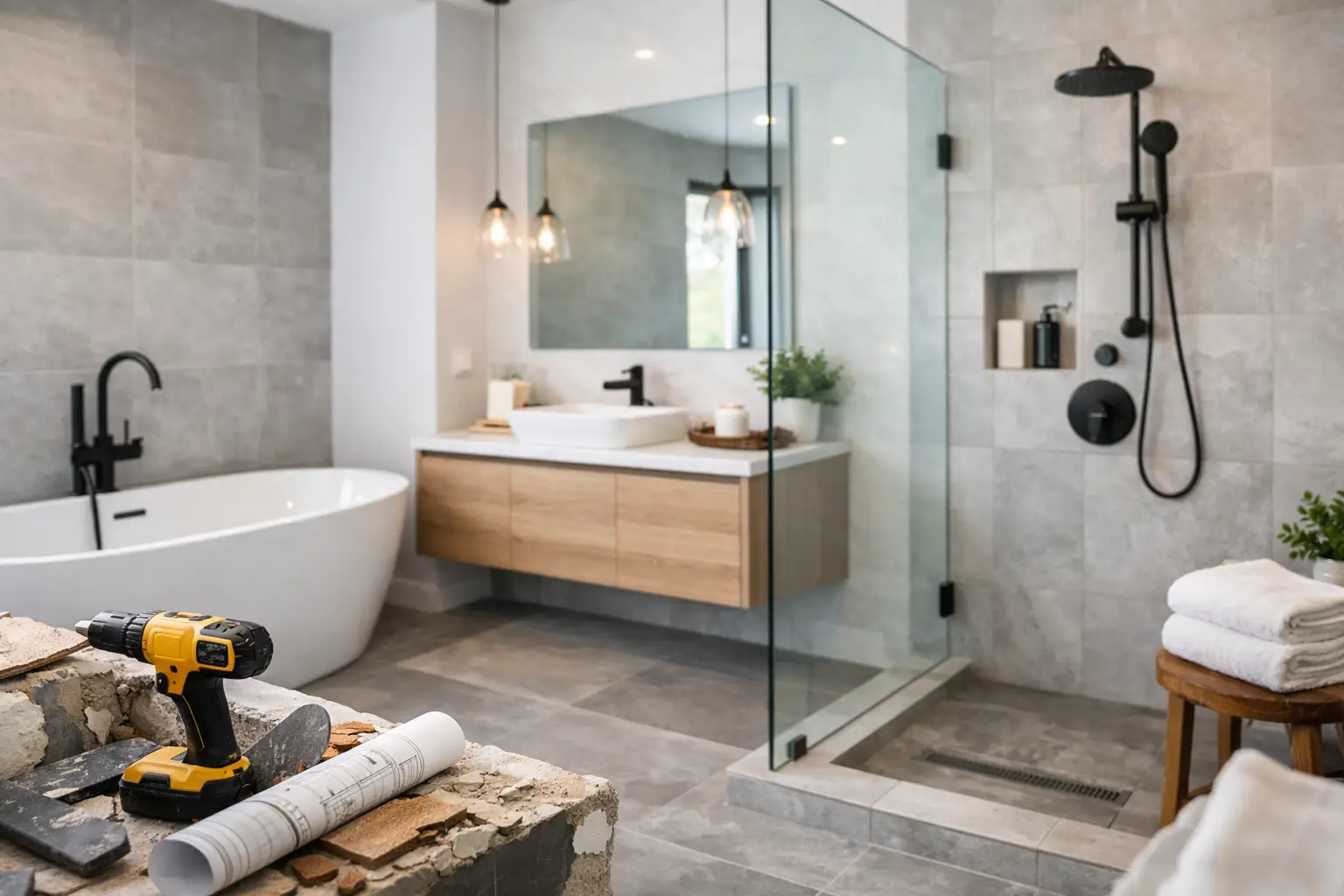
A bathroom can look fresh after a quick cosmetic update, yet still hide the problems that cost the most to fix: failed waterproofing, poor drainage, leaking plumbing or unstable tile work. For a bathroom renovation Truganina homeowners can depend on for years, the work behind the finished surfaces matters just as much as the tiles, tapware and vanity you choose.
At BP Building & Maintenance, we take a practical, trade-led approach to complete bathroom renovations. That means managing the strip-out, plumbing, waterproofing, tiling, carpentry and final fit-off as one properly coordinated job – not a collection of disconnected tasks.
What a complete bathroom renovation should include
A proper renovation starts by assessing the existing room, not by choosing colours. Older bathrooms can have water damage behind walls, uneven floors, tired plumbing connections or layouts that no longer suit the household. Finding these issues early allows the scope, budget and timeline to be set with fewer surprises once demolition begins.
The first physical stage is demolition and strip-out. Old fixtures, tiles, wall linings and flooring are removed carefully so the room can be inspected and prepared. This is the point where hidden damage is most likely to be found. A reliable renovator will explain what has been uncovered and what is required to rectify it before simply covering it over.
From there, the room is rebuilt in the right order. Plumbing rough-in is completed before walls and floors are closed up. Framing and carpentry are adjusted where needed for niches, custom vanities, shower screens and fixtures. Waterproofing is then applied to the prepared surfaces before tiling begins. Finally, the tiles, vanity, toilet, shower fittings, mirrors and accessories are installed during fit-off.
That sequence is not just about keeping the job tidy. It protects the quality of the finished bathroom and makes sure each trade can complete its work without compromising the work done before it.
Waterproofing is the part you cannot afford to shortcut
Tiles and grout are not waterproof. They are a hard-wearing finish, but moisture can still pass through joints and around penetrations over time. The waterproofing membrane behind and beneath those surfaces is what protects the structure of the home.
This is especially important around showers, baths, floor wastes, wall-to-floor junctions and pipe penetrations. If the membrane is poorly prepared, incorrectly applied or damaged before tiling, water can find its way into wall frames or subfloors. The visible signs may take years to appear, by which time repairs can involve removing tiles and rebuilding sections of the room.
A certified waterproofer and properly planned tile installation provide far more value than cutting costs on the hidden stages. For homeowners, it also brings peace of mind that the wet area has been handled by qualified trades who understand the detail required.
Planning the layout around how you live
A well-designed bathroom does not have to be oversized. In many Truganina homes, better use of the available footprint makes a bigger difference than adding expensive features. The key is deciding which parts of the room need clear access and which features are worth prioritising.
A walk-in shower can make a compact bathroom feel more open and easier to use, but it needs correct falls to the waste and thoughtful screen placement to control water spray. A floating vanity can create useful visual space and make floor cleaning simpler, while a custom vanity may be a better choice when standard sizes leave awkward gaps or fail to provide enough storage.
For family bathrooms, storage and durability generally matter more than a minimalist look that is difficult to maintain. Drawers often work better than deep cupboards for daily items. Wall-hung accessories can keep benches clear. Larger tiles can reduce grout lines, although tile size must suit the floor falls and room proportions. There is no single best layout – it depends on who uses the bathroom, how long you expect to stay in the home and what the existing plumbing allows.
Moving a toilet, shower or vanity can deliver a much better layout, but it can also add plumbing work and cost. Keeping key services in roughly the same location is often the smarter option when the current layout is functional. A good renovation plan weighs the improvement against the extra work instead of pushing unnecessary changes.
Choosing finishes that will still work hard in five years
Bathroom selections need to stand up to moisture, cleaning and everyday use. Trend-driven choices can look impressive, but practical details should lead the decision.
Porcelain tiles are a popular choice for walls and floors because they are durable and low-maintenance. On floors, slip resistance is worth considering, particularly in family homes and bathrooms used by children or older family members. A polished tile may suit a wall, while a more textured finish can be the safer option underfoot.
Tapware and fixtures should be selected for quality, availability of replacement parts and ease of cleaning, not just appearance. Matte black finishes can create a strong modern look, but water marks may be more noticeable than on chrome depending on the home’s water quality and cleaning routine. Recessed shower niches are useful for keeping bottles off the floor, though they must be correctly framed and waterproofed as part of the shower wall.
Ventilation also deserves attention. A quality exhaust fan, placed and sized appropriately, helps manage steam and reduces the chance of mould forming on ceilings, paintwork and silicone. Natural light is valuable, but privacy, window placement and ventilation all need to work together.
Why trade coordination makes the renovation easier
Bathroom renovations involve multiple specialised tasks in a small space. When the work is not coordinated, delays and defects become more likely. A plumber may need access before waterproofing. The waterproofer needs properly prepared surfaces. The tiler needs correct falls, set-out and finished substrate levels. The carpenter may need to allow for a vanity, mirror cabinet or shower screen before wall linings are completed.
Working with an end-to-end renovation team keeps responsibility clearer. It also reduces the stress of homeowners having to chase separate trades, work out what happens next or resolve disputes when one contractor blames another. You should still expect clear communication about the scope, selections, timing and any changes discovered during the work.
Fast turnaround matters, particularly when a household has only one bathroom. But speed should never mean rushing curing times, skipping preparation or tiling before waterproofing is ready. The best outcome is an organised job that moves efficiently while allowing each stage to be completed correctly.
Questions worth asking before you accept a quote
A detailed quote should make it clear what is included and what may sit outside the agreed scope. Ask who is responsible for demolition and rubbish removal, plumbing, waterproofing, tiling, fixtures and final fit-off. Confirm whether allowances are included for tiles, tapware, shower screens and vanities, or whether you will supply those items separately.
It is also sensible to ask how variations are handled. Hidden water damage, structural issues and unexpected plumbing conditions can only be confirmed after strip-out. The important thing is not pretending these possibilities do not exist. It is having a straightforward process for explaining the issue, pricing the required work and obtaining approval before proceeding.
Credentials matter in wet areas. Make sure the people carrying out critical work are appropriately qualified, including a registered plumber and certified waterproofer. Cheap quotes can be tempting, but they can leave out the preparation, compliance and skilled labour that protect your home in the long term.
Bathroom renovation Truganina homeowners can plan with confidence
Whether the goal is a modern family bathroom, a more accessible shower area or a full replacement of an aging wet area, start with a clear discussion about the room’s condition and your practical needs. Bring measurements, inspiration images and a list of the frustrations you want the renovation to solve – lack of storage, a cramped shower, mould, damaged tiles or an outdated layout.
A detailed on-site assessment and clear quote give you a far stronger starting point than choosing a renovation on appearance alone. When the hidden work is completed properly, the finished bathroom is not only better to look at. It is built to handle daily use, protect the home and stay functional long after the final tile is laid.