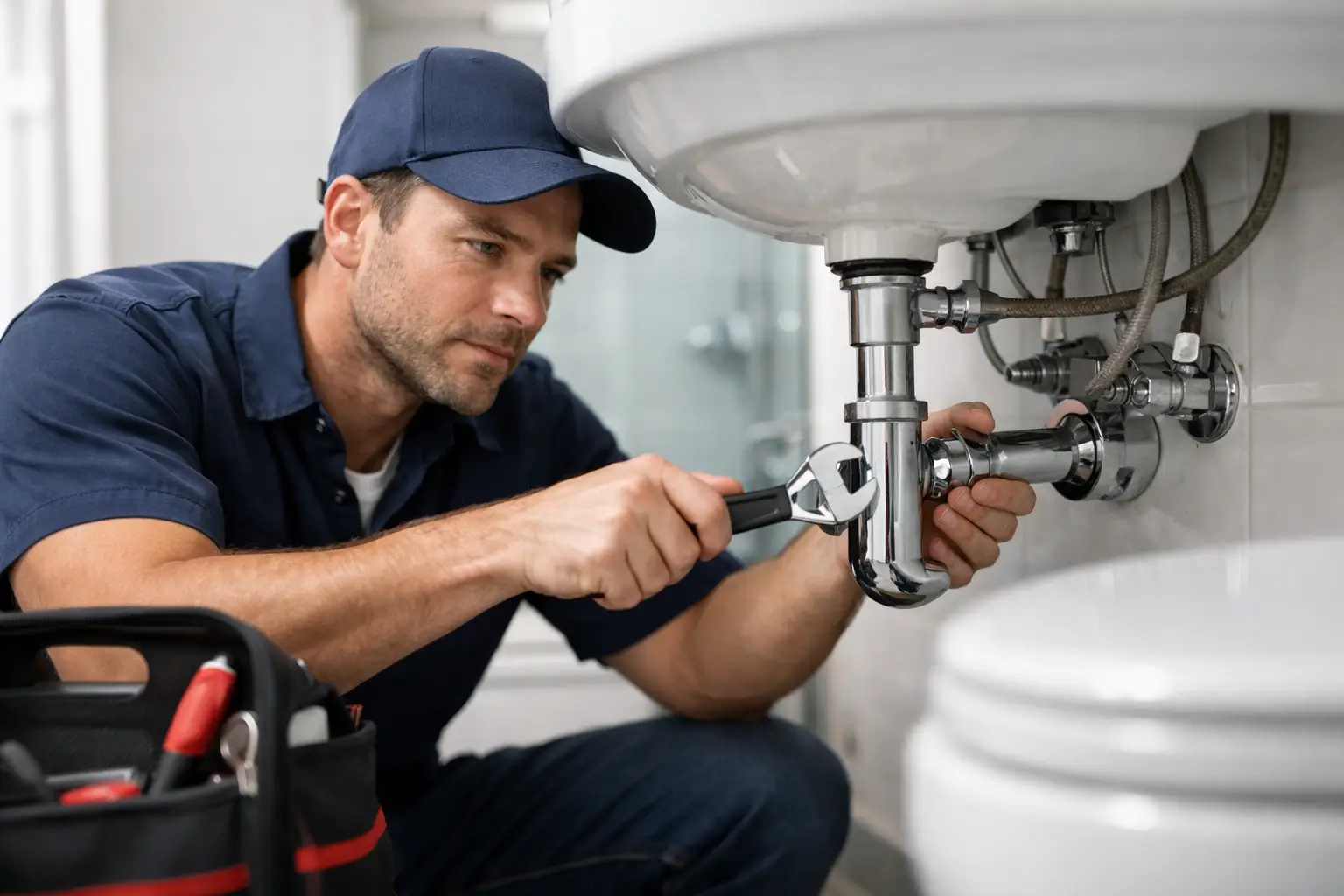
A bathroom can look finished long before the work behind the walls is right. That is why a licensed bathroom plumber matters in any renovation involving water supply, drainage, showers, baths, toilets or new fixture locations. The visible fittings are the final touch. The pipework, drainage falls, connections and compliance are what protect your home from leaks, damage and expensive rework.
For homeowners in Caroline Springs and Melbourne’s western suburbs, bathroom renovations often involve more than replacing a vanity or updating tapware. Older homes may have ageing pipes, awkward layouts or drainage that does not suit a modern walk-in shower. Getting the plumbing scope right at the start keeps the job moving and helps deliver a bathroom built to last.
What a licensed bathroom plumber actually does
A licensed plumber is qualified to carry out regulated plumbing work safely and in line with Victorian requirements. In a bathroom renovation, this includes far more than connecting a new basin.
They assess the existing water and waste services, isolate and remove old fixtures, install or alter pipework, position drainage points and connect new sanitary fixtures. This can include toilets, showers, baths, basins, mixer taps, floor wastes and water connections for a bidet or similar fixture.
The job also involves working out what is practical before demolition begins. Moving a toilet across the room, for example, may sound straightforward on a plan, but it can require changes to the waste line, adequate drainage fall and access beneath the floor. In some homes, the existing structure and pipe locations make a full relocation more costly than expected. A qualified plumber can explain those limits early, before tiles are chosen and walls are closed up.
When plumbing should be part of the renovation plan
If you are keeping every fixture in exactly the same place, the plumbing component may be relatively simple. Even then, old connections should be inspected before new fittings are installed. A bathroom renovation is the right time to identify worn pipework, poor drainage or concealed leaks that would be difficult to address once the room is complete.
Plumbing becomes a major part of the project when you are changing the layout, adding a second basin, replacing a bath with a shower, building a walk-in shower, relocating a toilet or upgrading an old laundry-bathroom combination. These changes affect the sequence of demolition, framing, waterproofing, tiling and fit-off.
A good renovation team coordinates those trades instead of treating them as separate jobs. The plumber needs access before waterproofing and tiling begin. After the waterproofing and tiles are complete, they return for fit-off to install and test the visible fixtures. Rushing either stage can create problems that do not appear until months later.
Walk-in showers need proper drainage planning
Walk-in showers are popular for their clean look and easier access, but they need careful set-out. The shower floor must direct water to the waste without creating an uncomfortable slope or leaving water sitting near the doorway.
The drain position, floor construction and shower screen layout all affect the result. A linear drain can suit some designs, while a central floor waste may be the better option in others. The best choice depends on the room dimensions, tile format, existing plumbing position and the desired shower entry. It is not just a design decision.
Fixture choices can change the plumbing scope
Wall-hung vanities, concealed cisterns and wall-mounted tapware can create a sharper, more spacious finish. They also require the pipework and supporting framework to be planned before sheeting and waterproofing.
This does not mean these fixtures are unsuitable for every home. It means they should be selected with the renovation team involved early. A practical recommendation can save you from choosing a fitting that looks good in a showroom but creates unnecessary cost or servicing difficulties in your particular bathroom.
Why licensing and compliance protect your home
Bathrooms deal with water every day, often in areas hidden behind tiles, cabinetry and plaster. A slow leak from a poor connection can damage timber, wall linings and flooring without obvious signs at first. By the time staining, mould or loose tiles appear, the repair may involve stripping out part of the finished bathroom.
Licensed work provides confidence that the person handling the plumbing has the right training and authority for the job. It also supports the proper documentation for applicable plumbing work. That record matters when selling, insuring or maintaining your property.
There is a clear difference between minor cosmetic changes and regulated plumbing work. Replacing accessories such as a towel rail may be simple, but changing water lines, waste pipes or fixture connections is not a job to leave to an unqualified operator. Cheap work can become the most expensive part of a renovation when it needs to be opened up and corrected.
Plumbing and waterproofing must work together
Plumbing and waterproofing are separate trades, but they meet at critical points throughout a bathroom. Floor wastes, shower penetrations and pipe outlets need to be prepared correctly before the waterproofing system is applied. If these areas are poorly detailed, water can find its way behind the membrane or beneath the tiles.
That is why the order of work matters. In a properly managed renovation, the old room is stripped out, any structural repairs are addressed, plumbing rough-in is completed, walls and floors are prepared, and waterproofing is applied before tiling. Once the surface finishes are installed, the plumber returns for final fit-off.
At BP Building & Maintenance, that sequence is managed as part of a complete bathroom renovation rather than leaving homeowners to coordinate separate trades. Having a registered plumber, qualified carpenter and certified waterproofer involved in the process helps avoid the gaps that often cause delays and defects.
Questions worth asking before work starts
You do not need to become a plumbing expert to make a sound decision. You do need clear answers before committing to a quote. Ask who will carry out the plumbing, whether they are licensed for the required work, and what documentation will be provided.
It is also worth confirming exactly what is included. Does the quote allow for disconnecting and removing old fixtures? Are new wastes, valves and pipe alterations included? Will the plumber install customer-supplied tapware and sanitaryware? If the existing pipework is in poor condition, how will variations be discussed and approved?
For a full renovation, ask how the plumber will coordinate with the waterproofer, tiler and cabinet installer. A clear project sequence is a good sign. It shows the work has been planned beyond the first day of demolition.
Signs your bathroom may need plumbing attention
Some problems are obvious, such as a leaking tap or toilet that does not flush properly. Others are easier to miss. Slow-draining shower floors, recurring mould, water marks on an adjoining wall, loose tiles near the shower and unpleasant drain smells can all point to issues worth investigating.
Low water pressure can also have more than one cause. It may be related to old tapware, blocked filters, pipe condition or the broader water supply arrangement. A site inspection is more useful than guessing based on one symptom.
If you are renovating an older bathroom, do not assume the plumbing behind the wall is in good order because the room still functions. Once tiles and fittings are removed, you have a rare opportunity to inspect and upgrade the concealed components properly.
Choose workmanship over a quick cosmetic fix
A well-finished bathroom should feel easy to use and easy to maintain, but the real value sits in the work you cannot see. Correct pipework, reliable drainage, sound waterproofing and careful fixture installation give the room its long-term performance.
The lowest quote is not always the best value if it leaves out essential plumbing work, uses unclear allowances or provides no confidence about who is responsible for each stage. Compare scope, qualifications and workmanship, not just the bottom-line figure.
When you are ready to improve a tired bathroom, start with a clear plan and qualified trades who can explain the practical details. The right plumbing work gives every other part of the renovation a solid foundation.
Leave a Reply