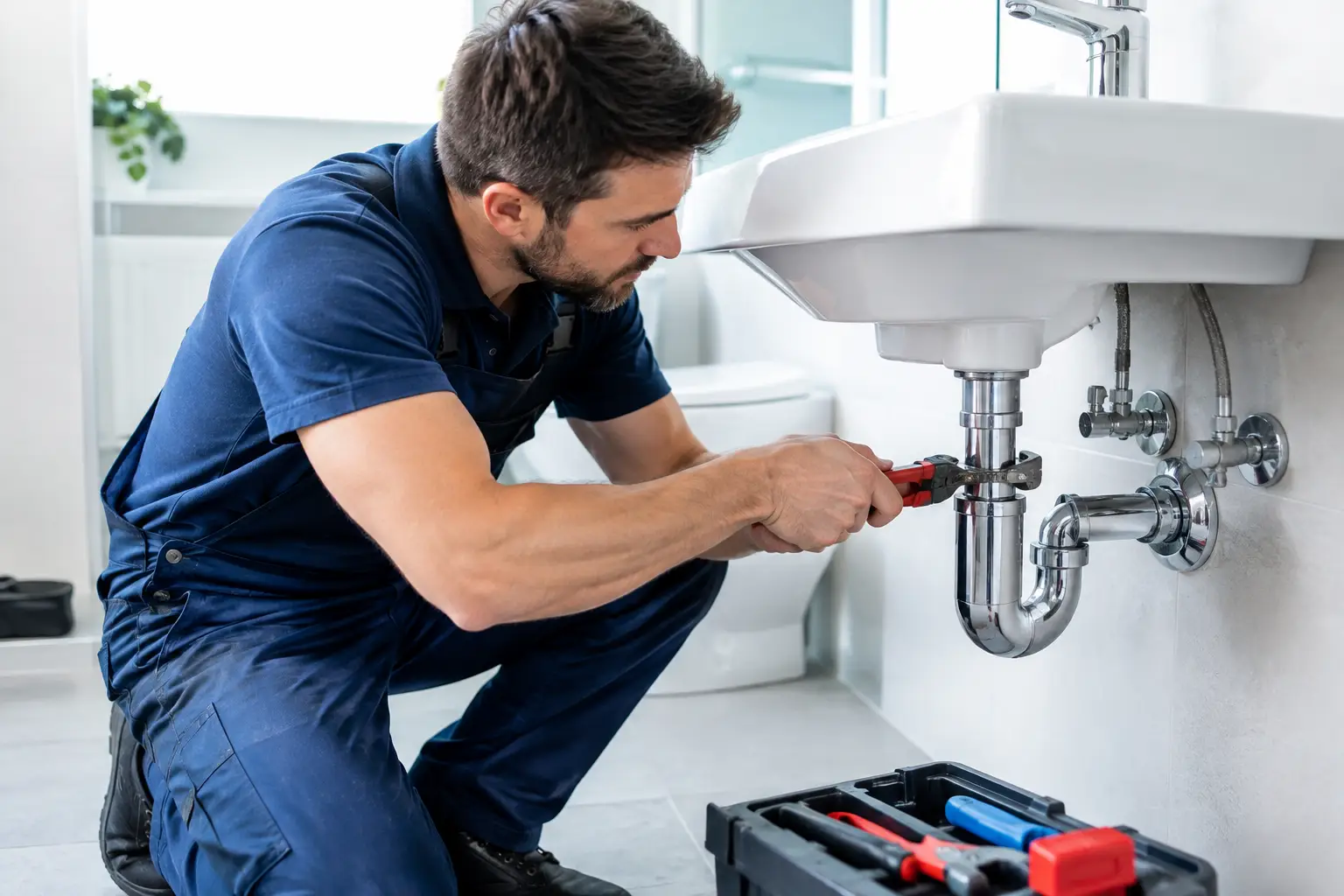
A bathroom can look tired long before its plumbing fails, but the costly problems are usually hidden behind the wall or under the floor. If you are asking when should bathroom plumbing be replaced, the answer is rarely based on age alone. Pipe material, previous workmanship, water pressure, leaks and your renovation plans all matter.
For many homeowners, the most sensible time to replace ageing bathroom plumbing is during a full renovation. Once tiles, linings and fixtures are removed, a qualified plumber can access pipework properly and install a reliable system before waterproofing and tiling begin. It is far more practical than opening a finished bathroom later to repair a burst pipe or recurring leak.
When Should Bathroom Plumbing Be Replaced?
Bathroom plumbing should be assessed whenever you are renovating, buying an older home, dealing with repeated leaks, or noticing changes in water quality or pressure. Not every bathroom needs a complete pipe replacement, but old or unreliable plumbing should not be covered back up simply because the taps still work today.
A well-planned replacement is particularly worthwhile where the bathroom layout is changing. Moving a shower, toilet, vanity or bath means the drainage and water supply need to be altered anyway. This is the point to check the condition, placement and capacity of the surrounding pipework rather than connecting new fixtures to old lines without a proper inspection.
The pipes are reaching the end of their service life
Modern copper and quality plastic plumbing systems can last for decades when correctly installed. Older homes, however, may still contain galvanised steel pipework or outdated fittings that have corroded internally over time. These pipes can look acceptable from the outside while becoming restricted, weakened or rusted within.
Age alone does not automatically mean replacement is required. A plumber should assess the material and condition of the accessible pipework, along with the history of the property. But if an older bathroom is being stripped out, replacing questionable pipes before the new finishes go in is usually a sound long-term decision.
You have recurring leaks or water damage
A single leaking tap or failed silicone joint does not necessarily mean the plumbing system has failed. Repeated leaks from pipe connections, shower mixers, toilet supply lines or drainage points are different. They may indicate deteriorating fittings, pressure issues, poor earlier work or pipes that have reached the end of their useful life.
Watch for damp patches on adjoining walls, swollen skirting boards, loose tiles, peeling paint, mould that keeps returning, or a musty smell around the vanity or shower. These symptoms can also come from failed waterproofing, so the source needs to be identified properly. Plumbing and waterproofing are separate systems, but both must be right to keep water where it belongs.
Water pressure has dropped or water is discoloured
Low water pressure at one fixture can be caused by a blocked aerator, a worn tap cartridge or a local valve issue. Low pressure across the bathroom, particularly in an older property, can point to internal corrosion or sediment build-up in ageing pipework.
Brown, yellow or rusty water can also be a warning sign, especially if it appears after the taps have not been used for a while. It does not always mean the bathroom pipes are the only cause, but it warrants investigation. Replacing a vanity or shower screen will not solve an underlying water supply problem.
The layout is being changed
A renovation that converts a bath into a walk-in shower, relocates a toilet, or adds a double vanity should include a plumbing review from the start. Drain locations, pipe falls, venting requirements and fixture clearances need to be planned before walls and floors are rebuilt.
Trying to work around existing plumbing can sometimes save money, particularly where the layout is already functional. On the other hand, forcing a new design onto unsuitable old pipework can create compromises in drainage, floor levels and future access. The best option depends on the room, the subfloor and the scope of the renovation.
Signs That Call for Prompt Plumbing Attention
Some plumbing concerns can wait until a planned renovation. Others should be inspected promptly to avoid wider damage to the home. Arrange a professional assessment if you notice several of the following issues:
- Water stains, damp plaster or mould on walls adjoining the bathroom
- A toilet that rocks, leaks at the base or requires frequent repair
- Slow drainage in more than one fixture, persistent gurgling or sewer odours
- Water pressure that has noticeably reduced throughout the bathroom
- Visible corrosion, green staining on copper fittings, or rusted older pipes
- A history of patch repairs to the same line, connection or fixture
These signs do not all point to the same fault. A blocked drain, a failed waterproofing membrane and a leaking pipe can produce similar visible damage. Proper diagnosis matters because covering up the symptom can leave the actual issue untouched.
Why a Bathroom Renovation Is the Right Time
The expensive part of replacing concealed plumbing is often not the pipe itself. It is the demolition, wall repair, waterproofing, tiling and refitting needed to reach it. During a complete bathroom renovation, those stages are already part of the project.
This gives homeowners the opportunity to replace worn pipework, update old isolation valves, position services correctly for new fixtures and test the system before the room is finished. It also avoids the frustration of installing new tiles and a custom vanity, only to remove them a year later for plumbing repairs.
There is a cost trade-off. If existing pipes are modern, accessible, in good condition and suited to the proposed layout, a full replacement may not be necessary. A qualified plumber can recommend targeted changes instead. The key is making that decision while the bathroom is open, not after the waterproofing and tiles have been completed.
Plumbing, Waterproofing and Fit-Off Must Work Together
A durable bathroom is not created by one trade working in isolation. Plumbing rough-in needs to be completed before wall linings and waterproofing. Waterproofing must then protect the wet areas without compromising pipe penetrations. After tiling, fixtures such as tapware, toilets, vanities and shower fittings are installed and tested at fit-off.
Poor sequencing can create lasting problems. For example, a pipe penetration that is not correctly prepared and sealed can undermine otherwise good waterproofing work. Likewise, fixtures fitted without proper support or sealing can allow water into cabinets and wall cavities.
For homeowners in Caroline Springs and Melbourne’s western suburbs, using a renovation team that coordinates qualified plumbing and certified waterproofing removes much of the guesswork. BP Building & Maintenance manages these stages as part of complete bathroom renovations, with the focus on getting the concealed work right before the visible finishes go on.
What a Proper Plumbing Assessment Should Cover
Before committing to replacement, a plumber should inspect accessible water lines, waste pipes, fittings and connections, then consider the property age and renovation design. They should ask about leak history, pressure changes, drainage performance and any water damage that has appeared elsewhere in the home.
The assessment should also look beyond the bathroom itself. A new rain shower, additional basin or relocated toilet may affect water supply and drainage requirements. If the bathroom is on a concrete slab, underfloor access and drain alterations may involve different methods and costs than a timber subfloor home.
A clear scope is valuable. You should know whether the work involves replacing supply lines only, renewing waste pipes, relocating fixtures, installing new valves, or completing a full rough-in and fit-off. This makes quotes easier to compare and helps avoid assumptions once demolition begins.
Avoid Cosmetic Renovations Over Known Problems
New tiles, tapware and a fresh vanity can transform a bathroom, but they should not be used to hide dampness, corrosion or unreliable plumbing. A cosmetic update may be suitable for a newer bathroom with sound services. It is a poor shortcut where there are known leaks, drainage faults or old pipework that is already causing concern.
The most cost-effective decision is often to investigate early, plan the plumbing around the final layout and complete the work in the right order. A bathroom renovation should leave you with more than a better-looking room. It should give you confidence that the pipework, drainage and waterproofing behind the walls are built to last.